






Low Ferritin Levels Can Be Misdiagnosed from Appearance Alone
Doctors are warning that visible signs of low ferritin levels in the body can be misleading, as they may also indicate other health conditions.
A growing trend has emerged on social media platforms like TikTok and Instagram, where users claim that visible signs can indicate low ferritin levels in the body. These alleged symptoms include pale or grey-looking skin, dark under-eye circles, dry or cracked lips, hair shedding, and weak nails.
The hashtag "ferritin face has gained widespread attention online, with millions of views on videos claiming to show before-and-after transformations after addressing iron levels. However, doctors are warning that appearance alone is not a reliable indicator of iron deficiency.
General Practitioner Dr Aziza Sesay points out that ferritin face is not a recognized medical diagnosis and should not be used as a sole basis for self-diagnosis. She notes that symptoms like pale skin or hair shedding can also be indicative of other health conditions, not just low iron levels.
Ferritin levels measure the body's stored iron, while haemoglobin is the protein responsible for carrying oxygen in red blood cells. When haemoglobin levels drop below a certain threshold, it results in anaemia - a condition where the blood cannot efficiently transport oxygen to the body's tissues.
While social media may be filled with claims of visual cues indicating low ferritin, medical professionals emphasize that only a qualified diagnosis can accurately determine iron deficiency or other underlying health issues.
Iron deficiency can occur before anaemia sets in, leaving individuals with symptoms without a clear diagnosis. This disconnect is due to the body's ability to maintain haemoglobin levels even when iron stores are depleted.
Dr Drew Provan, a consultant haematologist, highlights this disparity between iron levels and haemoglobin counts. He notes that people can have low iron stores but still maintain their haemoglobin levels.
Iron deficiency is a common condition, often under-diagnosed in women, according to Dr Sue Pavord, another consultant haematologist. The British Society of Gastroenterology provides guidelines for ferritin levels, with below 15 micrograms per litre indicating absent iron stores and below 30 indicating low iron stores.
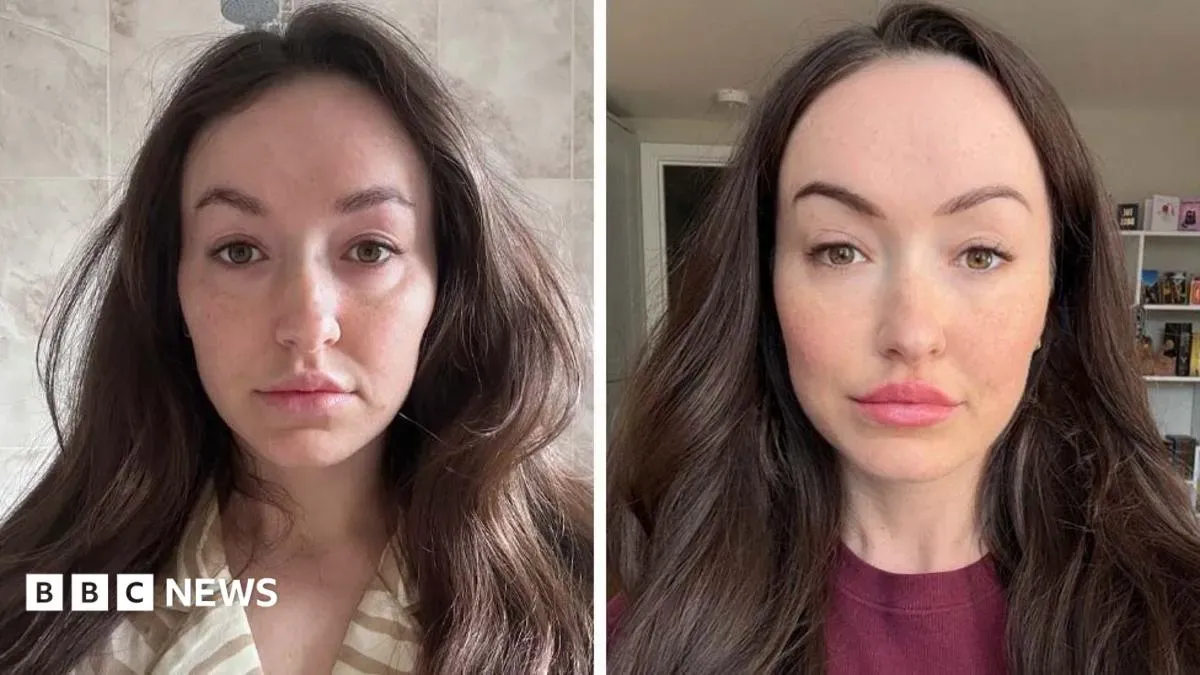
Lucy M, a social media influencer who shares her experiences with hair loss, believes that ferritin face accurately describes the physical changes she noticed in herself. After developing symptoms such as heart palpitations, fatigue, and hair loss, Lucy's blood test revealed a ferritin level of 12 micrograms per litre.
In contrast to her normal-appearing photographs when her ferritin levels were higher, Lucy's pictures from when her levels were low show a noticeable difference in her complexion. Her skin appears duller, her hair is thinner and more brittle, and she looks grey".
The idea that it's possible to spot low iron levels by looking at someone's face has gained traction online, with some creators even using it as a humorous way to point out a friend's iron deficiency.
However, experts say this notion is overly simplistic and not entirely accurate. According to Dr. Provan, determining ferritin levels based on appearance is impossible, and visual signs of low iron are subjective and unreliable.
In people who are significantly anaemic, the skin may appear pale, but fatigue can also contribute to dark circles under the eyes, making it difficult to diagnose iron deficiency solely by looking at someone's face. This issue is further complicated in individuals with darker skin tones, as changes in skin colour may be less noticeable.
Doctors rely on a combination of symptoms and how patients feel to make an accurate diagnosis, rather than relying solely on visual cues. To confirm iron deficiency, blood tests are essential not only for diagnosing the condition but also for identifying its underlying cause.
Treatment should address the root cause of the iron deficiency, whether it's due to heavy periods, low dietary iron intake, gastrointestinal bleeding, or problems absorbing iron through the gut. Iron supplements can be effective, but they're best taken on an empty stomach and in conjunction with a balanced diet that includes iron-rich foods such as meat, beans, lentils, leafy greens, and fortified cereals.
Women who have experienced low iron levels are sharing their stories on social media, creating a sense of community and encouraging others to take their symptoms seriously.
These online discussions have given women the confidence to ask questions when they feel something is wrong, even if they're not sure what it is or how to articulate it. By sharing their experiences, individuals like Lucy are helping others realize that they're not alone in their struggles.
While social media can be a double-edged sword, providing both opportunities for education and potential misinformation, its impact on women's health cannot be ignored. Women are using online platforms to advocate for themselves and seek help when needed, rather than suffering in silence.
Ultimately, the key takeaway is knowing how to recognize when something doesn't feel right and seeking medical attention accordingly, rather than trying to diagnose oneself based on appearance or online research.
Facts based on reporting originally published by BBC News Health.
You may republish this story, in full or in part, if you credit Noti Group and link to it (licence CC BY 4.0). Photos are not included.