







Silver Diamine Fluoride Confirmed as Effective Treatment for Childhood Cavities
A major clinical trial has confirmed that a liquid called silver diamine fluoride (SDF) can stop tooth decay in young children without the need for invasive procedures.
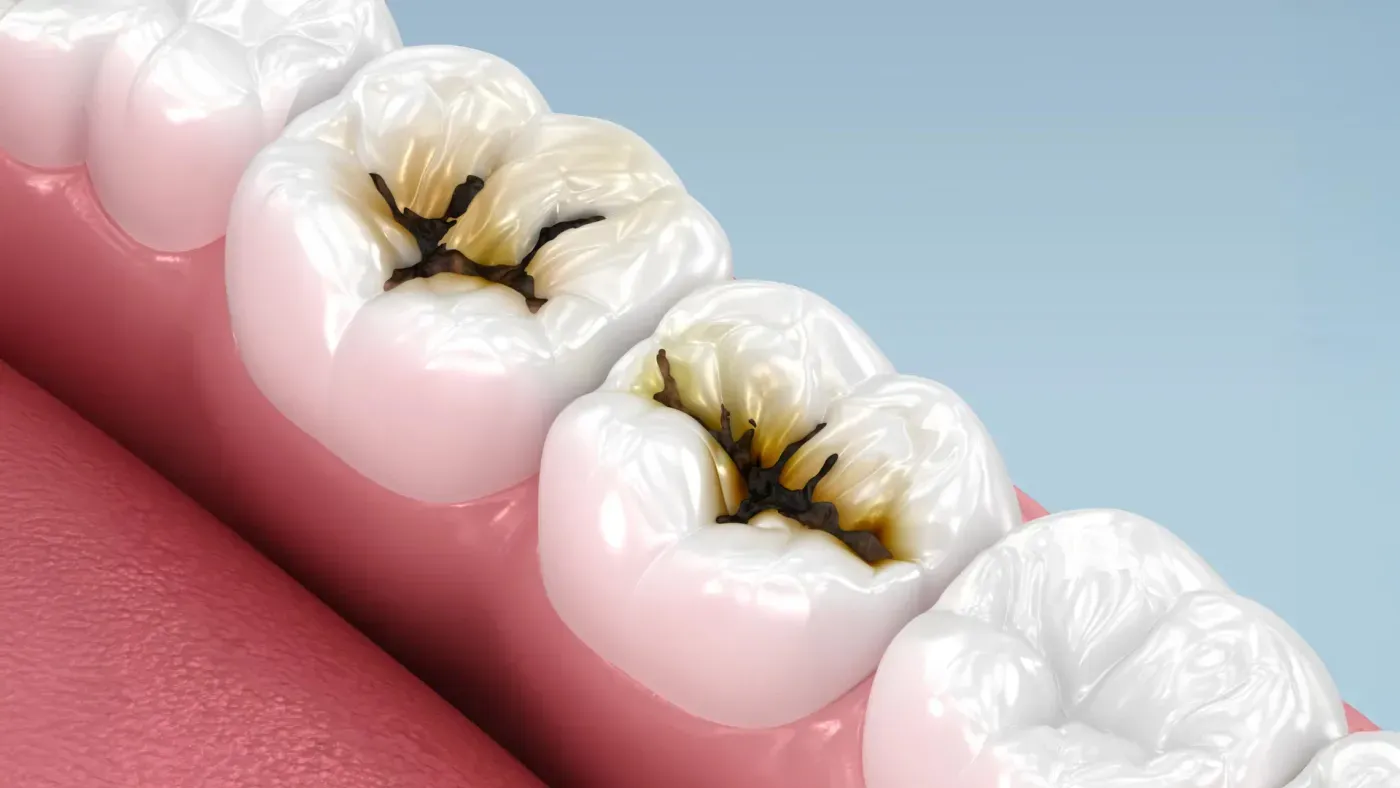
A breakthrough treatment for childhood cavities has been confirmed by a major clinical trial, offering a simpler alternative to drilling and fillings. Researchers have found that a liquid called silver diamine fluoride (SDF) can stop tooth decay in young children without the need for invasive procedures.
The SDF treatment takes just seconds to apply to each affected tooth using a tiny sponge-tipped applicator. Unlike traditional methods, it does not require removing damaged tooth material or placing fillings, making it a more comfortable and less intimidating experience for children.
Thousands of young children in the United States visit emergency departments every year due to untreated cavities. Emergency physicians often cannot provide the necessary dental procedures to address these issues, leading some children to suffer from ongoing pain and infections. In severe cases, children may need to undergo dental surgery under general anesthesia.
A Phase III clinical trial has provided compelling evidence that SDF can be an effective treatment for many cavities in young children. The study included 830 participants under the age of 6 who were recruited through various healthcare settings across Michigan, New York, and Iowa.
The findings of this major clinical trial have significant implications for childhood dental care. If further research confirms the efficacy of SDF, it could become a game-changer for preventing cavities and reducing the need for invasive dental procedures in young children.
Head Start and Early Head Start programs provide essential early childhood education and services to eligible families across the country.
The study's findings indicate that a solution containing 38% silver diamine fluoride effectively halted decay in over half of affected baby teeth when administered at six-month intervals.
In dentistry, arresting tooth decay refers to stopping the deterioration of damaged areas without replacing lost tooth structure. This approach is distinct from traditional fillings, which do not address existing decay but rather prevent further progression.
SDF's effectiveness stems from its dual action: silver combats bacteria linked to tooth decay, while fluoride strengthens teeth and makes them more resistant to damage.
A simple liquid solution called silver diamine fluoride (SDF) has shown promise in stopping cavities without the need for drilling or invasive procedures, offering an alternative to traditional fillings for many patients.
This treatment could extend beyond young children, benefiting older adults, individuals with developmental or physical disabilities, those with severe dental anxiety, and patients who face difficulties accessing conventional dental care due to various reasons.
However, there is a notable tradeoff associated with SDF. The liquid permanently darkens the decayed portion of a treated tooth, which can be particularly noticeable on front teeth. This cosmetic change may influence whether patients or families choose this treatment option.
For many people, avoiding pain and more invasive procedures could outweigh the drawback of permanent discoloration, making SDF an attractive alternative for those seeking to minimize discomfort and trauma associated with traditional dental care.
Despite being used in various countries for decades, SDF's history in the United States is marked by its approval as a medical device for treating tooth sensitivity in 2014. Dentists have also employed it off-label to stop cavities, but large-scale clinical evidence from U.S. populations establishing its safety and effectiveness for this specific use has been lacking until now.
The University of Michigan trial aimed to provide rigorous evidence on the effectiveness and safety of a simple liquid treatment for cavities in children.
To achieve broader implementation across the US, including in medical settings, researchers needed carefully collected data from American populations. The investigation began in 2018 and continued through the disruptions caused by the COVID-19 pandemic.
The study's findings could make the treatment more widely available, especially in pediatric medical settings where children often receive care before their first dental appointment. Clinicians want high-quality evidence to inform their practice decisions.
In medicine, clinicians rely on robust data before changing their approach, and this is particularly important for young children who may see pediatricians years before visiting a dentist. Expanding access to the treatment could allow more children to receive early intervention and prevent relatively manageable cavities from developing into serious dental problems.
Broader acceptance of the treatment could enable many more cavities to be treated successfully while a referral to a dental home is still possible, preventing the need for painful, infected or surgically complicated interventions.
Researchers from leading universities have joined forces in a major study that confirms the effectiveness of a simple liquid treatment for stopping cavities without drilling.
The trial was funded by over $12 million provided by the National Institute of Dental and Craniofacial Research, part of the National Institutes of Health, which demonstrates the significant investment in this area of research.
Advantage Arrest 38% SDF, supplied by Elevate Oral Care, is the product that has shown promising results in arresting dental caries, also known as tooth decay. This liquid treatment could potentially become a widely accepted solution for managing cavities if regulatory approval is granted.
The study's findings will provide valuable evidence to support an application seeking FDA approval of SDF as a drug for arresting dental caries, which would be a significant milestone in the treatment of this common condition.
With FDA approval pending, the potential benefits of using SDF are vast, including increased utilization by providers, enhanced payments by insurers, and more consistent product quality.
The liquid treatment, which has shown significant promise in stopping cavities without drilling, is not a cure-all for dental issues. Its effectiveness depends on various factors, and patients may still require additional treatment down the line.
As researchers continue to study its potential benefits, they note that this procedure can be a game-changer for many patients. By arresting tooth decay and eliminating pain, it could significantly improve oral health outcomes.
The implications of this breakthrough are substantial, with far-reaching effects on dental care practices and patient well-being.
Facts based on reporting originally published by ScienceDaily Health.
You may republish this story, in full or in part, if you credit Noti Group and link to it (licence CC BY 4.0). Photos are not included.