






Gut Bacteria Linked to Biological Aging Rate
A study has found a correlation between specific types of gut bacteria and rates of biological aging.
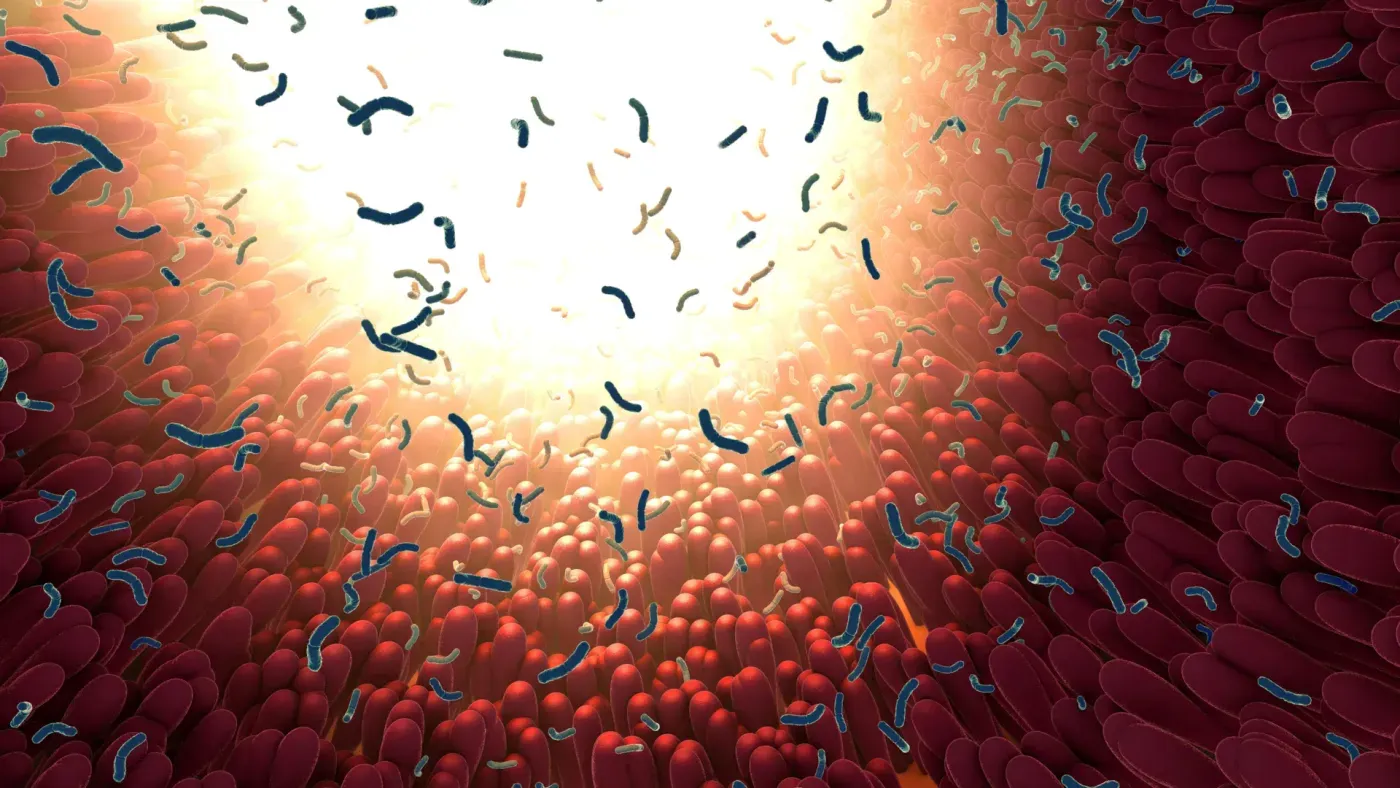
A groundbreaking study has revealed an unexpected link between the microorganisms living in our gut and the speed at which our bodies age. Researchers from the University of Hawaiʻi at Mānoa have discovered that specific types of gut bacteria are associated with slower biological aging, while others accelerate this process.
The investigation found a significant correlation between variations in gut bacterial communities and participants' rates of biological aging. In fact, differences in gut microbiota accounted for about 15% of the variation observed in these aging rates, suggesting that our gut's microbial ecosystem may hold important clues to understanding aging at its molecular roots.
Alika K. Maunakea, senior author of the study from the UH Mānoa John A. Burns School of Medicine, emphasizes the significance of this research. This study expands our comprehension of the intricate relationship between the gut microbiome and biological aging, he noted. The findings indicate that patterns of microbial activity in the gut are strongly associated with molecular measures of aging, even when accounting for chronological age.
To explore this connection further, researchers analyzed stool and blood samples from 123 adults across a wide age range. They identified the types of bacteria present in each participant's gut and compared these findings to molecular markers used in blood tests to estimate biological aging rates.
The results point to a promising new direction in understanding how modifiable biological systems influence long-term health outcomes and longevity. As researchers continue to unravel the mysteries of this complex relationship, they may uncover key insights into maintaining optimal health and slowing down the aging process.
The pace at which our bodies age is not always reflected by our chronological age, but rather by various biological measurements that assess how quickly aging-related changes occur within us.
Researchers have discovered a significant link between the composition of the gut microbiome and DunedinPACE, an advanced biomarker that measures the rate of biological aging. This association suggests that the unique collection of microorganisms in our digestive system may hold clues to understanding the aging process.
Some bacteria species stood out for their strong connections with aging rates, with Bifidobacterium adolescentis being among those most closely tied to slower biological aging. On the other hand, Succinivibrio dextrinosolvens showed a notable association with faster aging.
The varying relationships between specific gut microbes and aging patterns indicate that certain bacterial combinations may provide valuable insights into how rapidly our bodies are aging, potentially offering new avenues for research into healthy aging.
The study's findings suggest that the gut microbiome is closely tied to an individual's ability to resist the effects of aging. This connection is thought to be influenced by a variety of everyday factors, including diet and lifestyle.
In addition to the primary research population, the study included participants from Native Hawaiian and Pacific Islander backgrounds, groups that have historically been underrepresented in studies on gut microorganisms and aging. By incorporating these populations, researchers aimed to gain a more comprehensive understanding of how social circumstances and environmental conditions can impact an individual's biological makeup over time.
The study highlights the complex interplay between behavior, environment, and human biology, which exists at the intersection of the microbiome. This relationship underscores the potential for lived experiences and social factors to have lasting effects on long-term health outcomes.
Researchers emphasize that while the study reveals a correlation between gut bacteria and biological aging, it does not establish cause and effect. Further research will be necessary to determine whether intentionally altering the gut microbiome can influence the aging process or improve overall health.
The study's findings provide a promising foundation for further research into the connection between gut microbiome and aging.
As the investigation continues to unfold, scientists are optimistic that understanding this relationship could ultimately lead to more tailored approaches to maintaining long-term health and wellness.
Further exploration of this phenomenon may hold the key to unlocking new insights into the aging process itself.
Facts based on reporting originally published by ScienceDaily Health.
You may republish this story, in full or in part, if you credit Noti Group and link to it (licence CC BY 4.0). Photos are not included.