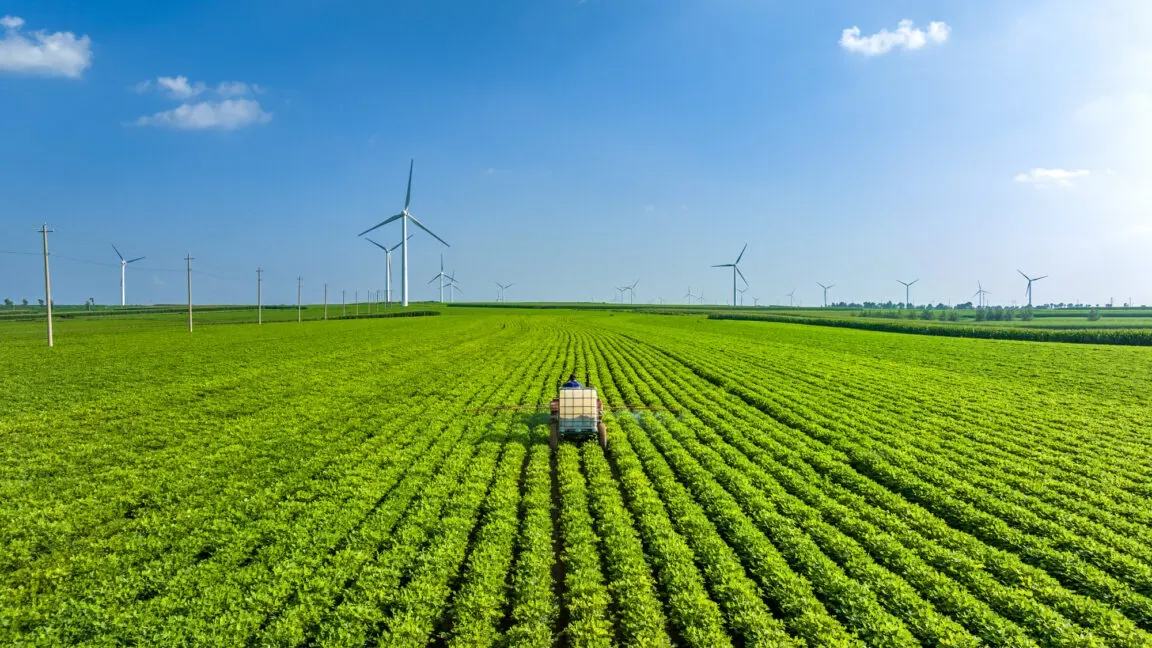







Land use changes significantly contribute to global warming
A recent study led by Jevan Yu at MIT focused on peatlands and their relationship with global warming.
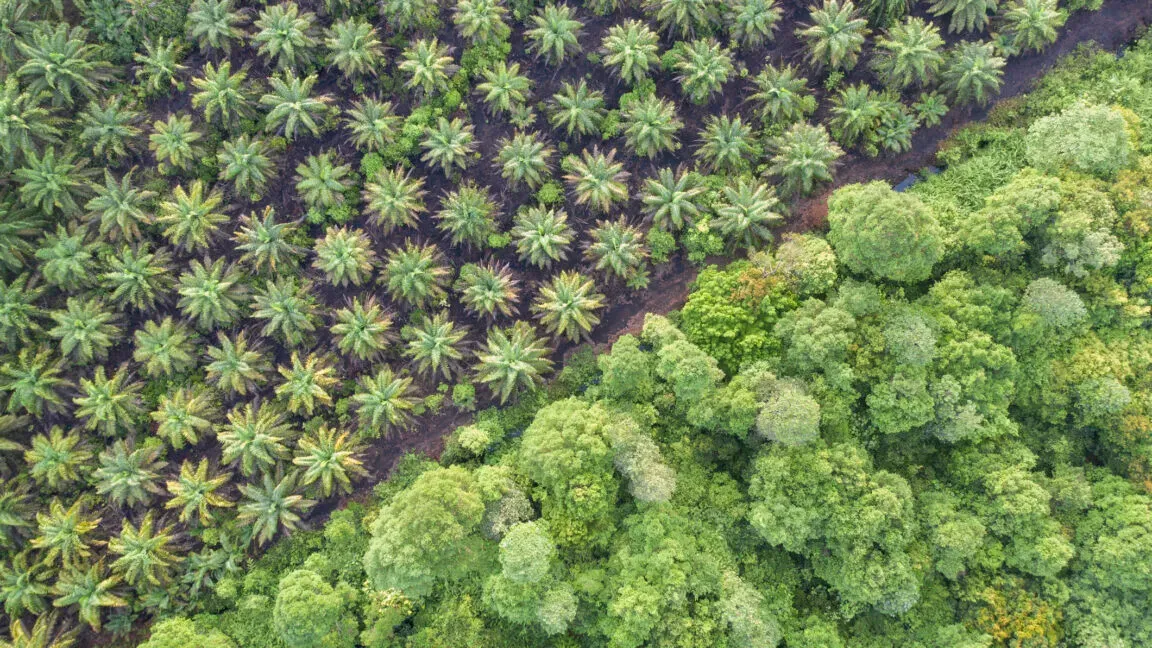
The impact of human-caused climate change goes beyond fossil fuels, which are often cited as the primary culprit behind global warming. Land use changes also play a significant role in contributing to CO2 emissions, accounting for approximately one-third of total historical emissions.
Deforestation is a major contributor to land use changes, but other practices such as draining wetlands also have a substantial impact on the environment. The extent to which eliminating wetlands has contributed to warming is difficult to quantify due to limited data.
However, new sources of information are now available that allow researchers to better understand the relationship between peatland destruction and global warming. A recent study led by Jevan Yu at MIT focused on peatlands, areas where organic matter accumulates into thick layers of material.
These vast stores of peat hold an estimated 600 billion tons of carbon, surpassing the amount found in all living vegetation worldwide. Peatlands are characterized by their permanent inundation, which prevents oxygen from reaching the water and allows anaerobic bacteria to break down the organic matter at a much slower rate than aerobic bacteria.
As a result, instead of releasing CO2 as aerobic bacteria would, some of the organic carbon in peatlands is converted into methane gas. Methane is an even more potent greenhouse gas than CO2, but it eventually gets oxidized back into CO2. This means that while peatlands do sequester most of their stored carbon, the carbon that does escape does so as methane.
The conversion of organic matter in peatlands to methane has significant implications for our understanding of the role of land use changes in contributing to global warming. The study's findings highlight the need for further research into the impact of peatland destruction on the environment and the potential consequences of continued degradation of these ecosystems.
Draining peatlands for agriculture or other uses involves digging ditches to let water flow out, which lowers the water level and exposes the peat to oxygen.
The aerobic bacteria thrive in this new environment, consuming the peat and releasing more CO2 into the atmosphere as a byproduct. Methane emissions, on the other hand, decrease as the water level drops. This shift in gas production has significant implications for global warming.
Researchers built a global model using recent studies that measured gas emissions from peatlands to estimate CO2 and methane release as the water level drops. The model accounted for variations in how CO2 and methane respond to changes in water level, taking into account regional differences in climate conditions.
The team used historical reconstructions of water-level changes due to peatland drainage to run their model starting from 1800. This allowed them to estimate the cumulative impact of peatland degradation on global warming over time.
The researchers calculated the total effect of CO2 and methane changes on Earth's energy budget, finding that it contributed about +73 milliwatts per square meter in 2020, a significant portion of human-caused climate change.
The researchers broke down the contribution of peatland drainage to global warming by region, revealing that Europe was responsible for more than half of the total CO2 emissions from this source.
In contrast, Southeast Asia's contribution increased significantly in recent decades, accounting for nearly a quarter of all peatland-related CO2 emissions. North America's share, however, remained relatively stable at around 14 percent.
The process of releasing carbon from drained peatlands is ongoing, with past land-use changes continuing to produce emissions into the future. To examine this long-term impact, the researchers ran their model forward in time to 2100, simulating different scenarios for peatland water levels.
If water levels were maintained at 2020 levels, the total effect on Earth's energy budget would nearly double by 2100, reaching a significant +138 milliwatts per square meter. However, more moderate or ambitious restoration efforts could mitigate this growth and even reduce the overall impact slightly.
The slow pace of change in peatland emissions means that long-term consequences will persist even if water levels are restored to some extent. This underscores the importance of addressing the issue now, rather than waiting for a complete reversal of past land-use changes.
The study's findings suggest that peatland degradation contributes a relatively small but significant portion of global warming, approximately a few percent. This estimate is derived from a comprehensive analysis of historical land-use changes and their impact on atmospheric carbon dioxide levels.
Peatlands are critical ecosystems that store massive amounts of carbon, making them a vital component in the fight against climate change. Their degradation has far-reaching consequences, including increased greenhouse gas emissions and decreased biodiversity, highlighting the urgent need for conservation efforts to mitigate these effects.
Facts based on reporting originally published by Ars Technica.
You may republish this story, in full or in part, if you credit Noti Group and link to it (licence CC BY 4.0). Photos are not included.