





Uganda to Receive First Shipment of Lenacapavir Injection
A cost-effective injection that can reduce the risk of contracting HIV is set to arrive in Uganda after months of anticipation.
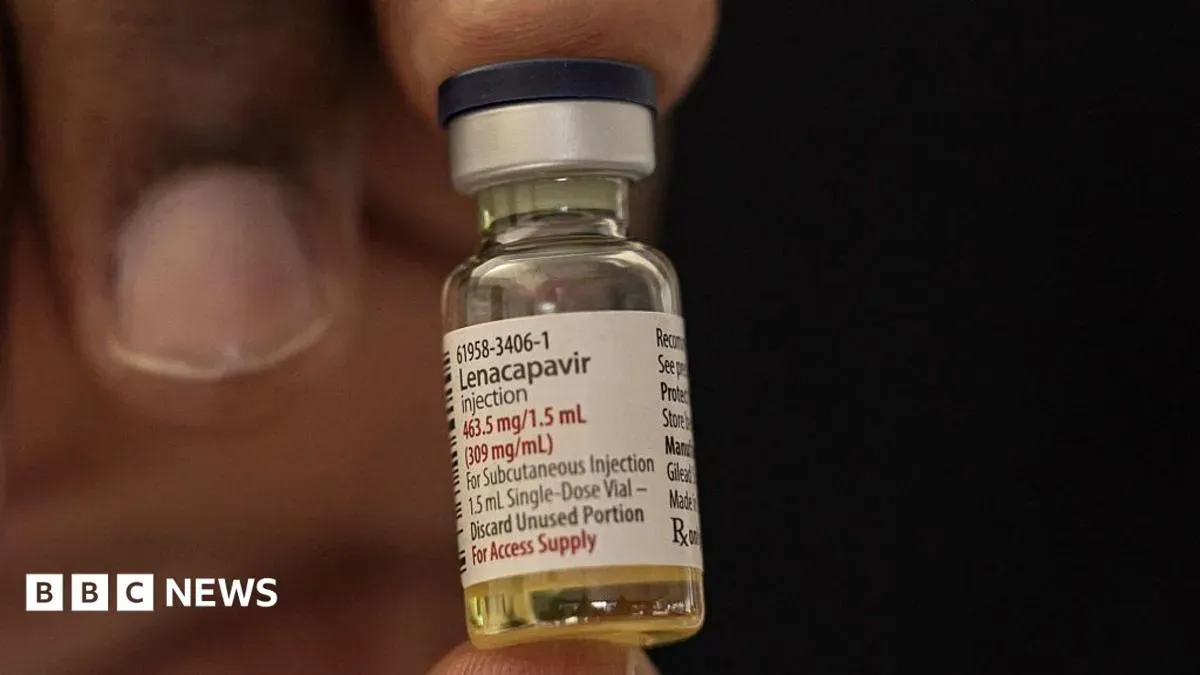
A major breakthrough in HIV prevention is on its way to Africa as Uganda prepares to receive its first shipment of a cost-effective injection that can significantly reduce the risk of contracting the virus. The generic drug, known as lenacapavir, has been shown to be nearly 100% effective at preventing HIV infection and will be available at an annual cost of just $40 per person.
The arrival of this crucial medication comes after months of anticipation, with Zambia being the first country in Africa to receive a shipment on Wednesday. According to reports from the Global Fund, deliveries to Uganda are expected in the coming days, marking a significant milestone in the global effort to combat HIV/AIDS. The introduction of lenacapavir is expected to have a profound impact on public health in Africa, where the burden of the disease remains highest.
The generic version of lenacapavir has been made possible through a landmark deal that has reduced its annual cost from over $28,000 in the US to just $40. This development is particularly significant for developing countries where access to expensive medications has long been a major challenge. The introduction of this affordable alternative will provide millions of people with a new hope for HIV prevention.
Zimbabwe is due to receive supplies early next year, with several other countries expected to follow suit in the coming months. The arrival of lenacapavir marks a significant turning point in the fight against HIV/AIDS, and its impact is likely to be felt far beyond Africa's borders.
The results of a landmark clinical trial have shown that an HIV prevention jab can be highly effective in protecting adolescent girls and young women from contracting the virus.
The trial, which involved over 5,000 participants in Uganda and South Africa, revealed that none of those who received the injection contracted HIV during the study period. This is a significant finding, as it suggests that the injection could provide long-term protection against HIV infection.
Health experts are hailing the injection as a major advantage over existing HIV prevention pills, known as pre-exposure prophylaxis (PrEP), which must be taken daily and can carry social stigma. The new injection offers a more convenient and potentially less stigmatising alternative for those at risk of infection.
The World Health Organization has recommended the drug for HIV prevention, and the Global Fund is working to make it available in low- and middle-income countries.
Sub-Saharan Africa bears a disproportionate burden of HIV cases globally, with nearly two-thirds of those living with the virus residing in this region.
Adolescent girls and young women are particularly vulnerable to infection, making up a significant portion of new cases in many countries. South Africa is one such nation, home to nearly eight million people living with HIV, making it the country with the largest number of HIV-positive individuals worldwide.
The WHO reports that 41 million people worldwide were living with HIV last year and that 570,000 died from HIV-related illnesses. The rollout of cheaper HIV prevention injections in Africa is a welcome development amid growing concerns about US foreign aid cuts.
The UN's goal to end AIDS as a public health threat by 2030 seems increasingly uncertain due to these funding constraints, which could undermine decades of progress made in tackling the epidemic in Africa.
Facts based on reporting originally published by BBC News Health.
You may republish this story, in full or in part, if you credit Noti Group and link to it (licence CC BY 4.0). Photos are not included.