


School Shooting in Central Serbia Raises Concerns About Access to Firearms
A student allegedly brought a small-caliber rifle into the First Technical School in Kragujevac and shot two maintenance staff members, who are now in stable condition.
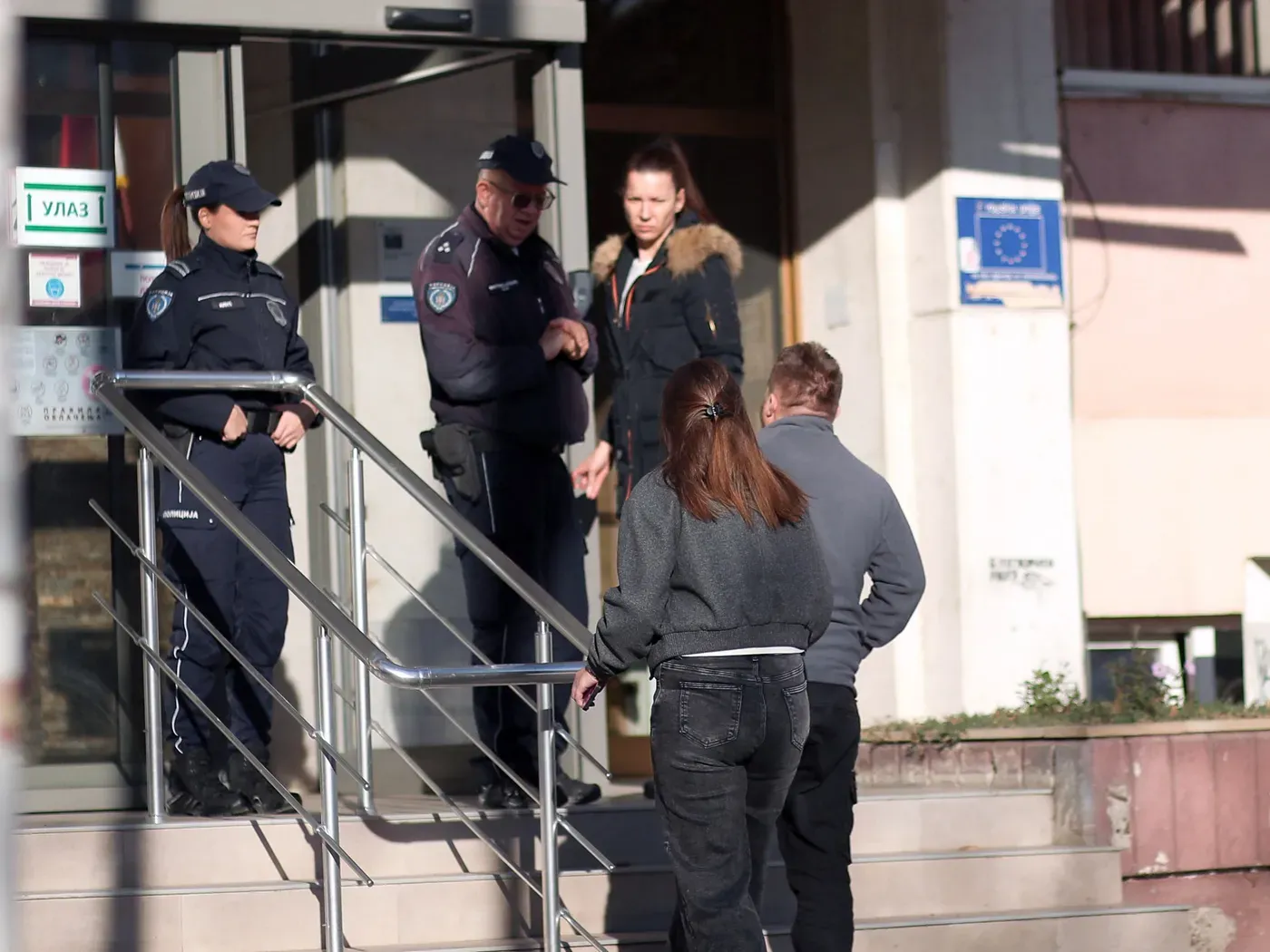
A school shooting in central Serbia has sent shockwaves across the region, sparking concerns about the ease of access to firearms, potential warning signs on social media, and systemic failures that may have contributed to the violence.
The incident occurred at the First Technical School in Kragujevac, a city situated approximately 145 kilometers south of Belgrade. On Tuesday morning, a student, identified by his initials V.M., allegedly brought a small-caliber rifle into the school building during the first class of the day.
According to reports, the suspect had posted a photo posing with a rifle on social media hours before the attack, raising questions about whether authorities or educators were aware of any potential warning signs. The shooting began at around 8am local time (07:00 GMT), and it appears that the suspect targeted the security reception desk.
The victims, both women who work as maintenance staff, sustained lower limb injuries after being struck by a single shot and shattered glass. They have since been treated in intensive care and are reportedly in stable condition, out of danger according to local authorities.
The school in Kragujevac has taken steps to ensure student safety following the attempted shooting, shortening class schedules and deploying counsellors and psychologists to support students who may be struggling with the incident.
A 30-day detention was ordered for the suspect by a juvenile judge at the Higher Court in Kragujevac, after he was charged with attempted aggravated murder and illegal possession and carrying of firearms. His father was also taken into custody on suspicion of keeping the rifle at home without a permit.
The school's head teacher Nemanja Joksimovic described the suspect as quiet and unremarkable, with no history of disciplinary issues. This has raised questions about how someone with such a low profile could plan and carry out an attack like this.
A photo posted online by the suspect hours before the shooting has sparked concerns about social media vigilance. The image showed him holding a rifle, prompting some to wonder why it didn't trigger any alarm bells among his peers or school authorities.
Nedzad Korajlic, a professor of criminology and safety studies at CEPS Kiseljak, emphasized that students should be aware of their rights when encountering online threats. He recommended establishing clear protocols for reporting suspicious posts, making sure students know exactly who to contact and what will happen next.
Schools across the Western Balkans have implemented various safety measures following previous attacks, but more needs to be done to prevent such tragedies.
The introduction of school police officers and security cameras are just a few examples of these measures, yet experts believe that prevention is crucial in addressing the issue of school shootings. This involves assigning a designated safety officer and staff to evaluate reports, notifying law enforcement immediately if firearms or explicit threats are involved, and involving social and health services as needed.
The Kragujevac attack highlights the region's broader issue of widespread civilian firearm ownership, which is largely due to the availability of legal weapons and unregistered arms remaining from the 1990s Yugoslav wars. Strict enforcement of weapon storage regulations is essential, including locking away firearms, keeping ammunition separate, and ensuring that keys or codes are inaccessible to minors.
Psychologist Goran Tomin notes that school shootings have a profound impact on school communities, with institutional responses often being too lenient. He points out that there is a high tolerance for violence in public discourse and the media, while school counsellors frequently struggle with administrative workloads.
The relationship between media consumption and violent behavior is a complex one, say experts, who warn against oversimplifying the issue by pointing to individual incidents in isolation.
Several countries in the Balkans have seen a disturbing trend of school shootings over the past three years, with Serbia, Bosnia and Herzegovina, and Croatia among those affected.
In May 2023, a devastating incident occurred at the Vladislav Ribnikar Elementary School in Belgrade, where a 13-year-old student used his father's handgun to kill nine classmates and a security guard. The young perpetrator was subsequently placed in a psychiatric facility due to being below the age of criminal responsibility.
The aftermath of such incidents often raises questions about accountability, as seen in the case of the student's parents, who were sentenced to prison terms for their roles in the tragedy. The father received a 14-and-a-half-year sentence, while the mother was given three years.
In a separate incident, a former student entered Lukavac Grad Elementary School in Bosnia with a firearm, critically wounding an English teacher before being apprehended by authorities.
The violence in schools continued to escalate in Croatia last December when a 19-year-old former pupil attacked Precko Elementary School in Zagreb with a knife. The assailant left a seven-year-old student dead and seriously injured a teacher along with three other children.
Croatian authorities responded by introducing stricter security measures, including locking school doors and deploying professional security personnel. This move came after the suspect was charged with aggravated murder and attempted murder, highlighting the urgent need for addressing the root causes of such incidents as emphasized by experts like Korajlic.
Facts based on reporting originally published by Al Jazeera.
You may republish this story, in full or in part, if you credit Noti Group and link to it (licence CC BY 4.0). Photos are not included.