


US Jury Finds Huawei Guilty of Stealing Trade Secrets and Evading Sanctions
A US jury has delivered a guilty verdict against one of China's leading technology companies, Huawei Technologies, for stealing trade secrets from American tech firms and evading sanctions on Iran.
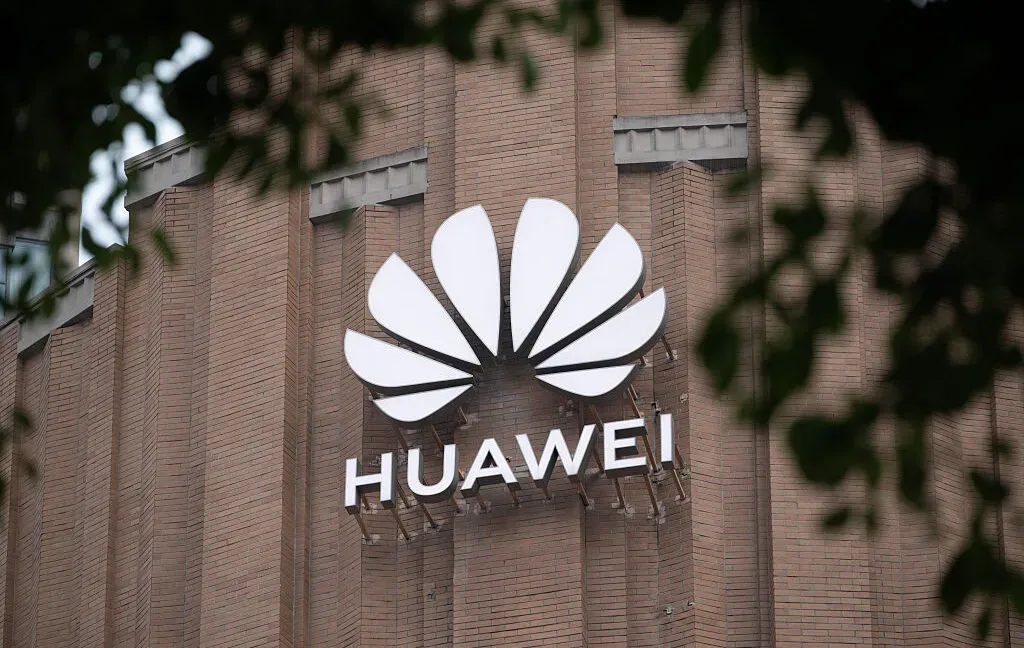
A US jury has delivered a guilty verdict against one of China's leading technology companies, Huawei Technologies, for stealing trade secrets from American tech firms and evading sanctions on Iran.
The long-running case dates back to 2018 but its timing could not be more sensitive as the Trump administration prepares to impose increased tariffs on China. The US Department of Justice has hailed the verdict as a significant victory in protecting US financial interests, global telecommunications, and national security.
Huawei was found guilty of multiple charges including bank fraud, conspiracy to defraud the US, money laundering conspiracy, and violating the International Emergency Economic Powers Act. The jury's decision marks a major blow to Huawei's reputation and raises questions about its business practices worldwide.
At the heart of the case is Huawei's alleged deceit in conducting business with Iran under the pseudonym "Skycom to circumvent sanctions. The company repeatedly lied to banks about its operations in Iran, claiming it did not assist the government or military, but evidence presented at trial revealed a different story.
In reality, Huawei provided critical services to Iran, including an internet backbone and mobile network infrastructure, allowing the regime to monitor and censor online activity. Furthermore, the company supplied surveillance cameras to monitor protests, raising serious concerns about its involvement in human rights abuses.
The verdict has significant implications for US-China relations as tensions between the two nations escalate over trade and security issues. The Trump administration's increased tariffs on China are expected to be imposed soon, further straining diplomatic ties.
The Department of Justice's (DOJ) case against Huawei has revealed a pattern of deceit by the Chinese tech giant. To maintain access to the US market and reap billions in revenue, Huawei allegedly concealed its Iranian business dealings, which is a crucial aspect of the DOJ's argument. This allowed Huawei to continue participating in a global marketplace that provided it with opportunities to steal sensitive US technology.
The extent of Huawei's intellectual property theft is staggering, according to court documents. The company targeted several major US firms, including T-Mobile and Cisco, as well as smaller companies like CNEX and Quintel. Huawei stole trade secret information, copyrighted works, and proprietary designs from these companies, which included source code, user manuals, and technical details.
A notable example of Huawei's brazen theft is the case of T-Mobile's Tappy robot. The US firm designed this robot to mimic human touch and assess the responsiveness of touch screens. However, when a non-disclosure agreement was signed with Huawei, the company took advantage of the trust by sending photos and technical details back to China. Furthermore, when the intel was deemed insufficient, a Huawei employee boldly stole a part of the robot in his backpack from T-Mobile's controlled laboratory.
The DOJ has presented evidence of Huawei's egregious behavior, showcasing the lengths to which the company went to acquire sensitive information. By signing non-disclosure agreements and gaining access to proprietary designs, Huawei was able to replicate US technology with ease. The consequences of this theft are far-reaching, and the DOJ's case aims to hold Huawei accountable for its actions.
The implications of Huawei's behavior are significant, highlighting a broader issue of intellectual property theft in the tech industry. As the global marketplace continues to evolve, companies like Huawei must be held responsible for their actions, and the consequences of such actions must be severe enough to deter future misconduct.
The US Department of Justice (DOJ) has described Huawei's tactics as a long-running conspiracy to steal intellectual property from American companies.
At trade shows and facility tours, Huawei employees would often pretend to be lost in order to gain access to restricted areas where they could take photos of rival hardware.
This ruse was sometimes used to conceal their true intentions, but the DOJ has revealed that it was also a clever way for Huawei engineers to gather sensitive information without arousing suspicion.
For example, notes taken by Huawei employees during facility visits would often contain coded references to rival companies, such as spelling Cisco" backwards as "ocsic.
In one instance, a Huawei employee was caught taking photos of proprietary Fujitsu equipment while wearing a fake badge that identified him as an employee of Weihua, a name suspiciously similar to the Chinese word for five flowers.
The prosecution has pointed out that Huawei employees were often rewarded with bonuses for their role in stealing trade secrets, which highlights the integral role such theft played in the company's business model.
The sentencing for Huawei is set to take place on September 14, marking a critical milestone in the case against the company. As the verdict looms, Huawei continues to maintain its innocence and reject claims that it was directed by the Chinese Communist Party to steal trade secrets from US companies.
Huawei's investors have been vocal in their criticism of the US government's actions, suggesting that the prosecution is politically motivated and aimed at crippling China's efforts to establish a global 5G network. This sentiment has been echoed outside the courthouse, where lawyers for Huawei have argued that the company's employees acted independently in stealing trade secrets.
According to Brian Heberlig, a lawyer for Huawei, the jury's decision not to convict the company of racketeering charges or conspiracy to obstruct justice is significant. He claims that the instances of US technology theft were isolated incidents, resulting from the misconduct of individual employees within a large and complex organization with hundreds of thousands of people.
Heberlig has confirmed that Huawei plans to appeal the verdict, viewing the jury's opposition to racketeering charges as a major setback for the prosecution. The lawyer also believes that the verdict represents a profound rejection" of the US government's portrayal of Huawei as a company involved in systemic trade secret theft.
China has responded swiftly to the verdict, with officials accusing the US of attempting to suppress Huawei and other Chinese enterprises. China's foreign ministry spokesperson Guo Jiakun has stated that the country firmly opposes such actions and will support its companies in defending their rights and interests.
The FBI's investigation into Huawei has led to a guilty verdict, which comes as a stark reminder of the threat posed by China to the US economy and national security. Despite frequent negotiations between the two countries, even China cannot shield Huawei from substantial penalties.
This case highlights the determination of the FBI and its partners to aggressively investigate and hold accountable those who target the US and its citizens. No company, regardless of size or influence, can exploit American trust and expect to escape justice. The guilty verdict serves as a clear message that the US will not tolerate such actions.
Facts based on reporting originally published by Ars Technica.
You may republish this story, in full or in part, if you credit Noti Group and link to it (licence CC BY 4.0). Photos are not included.