





Nvidia CEO Admits to Breaking Company Code of Conduct
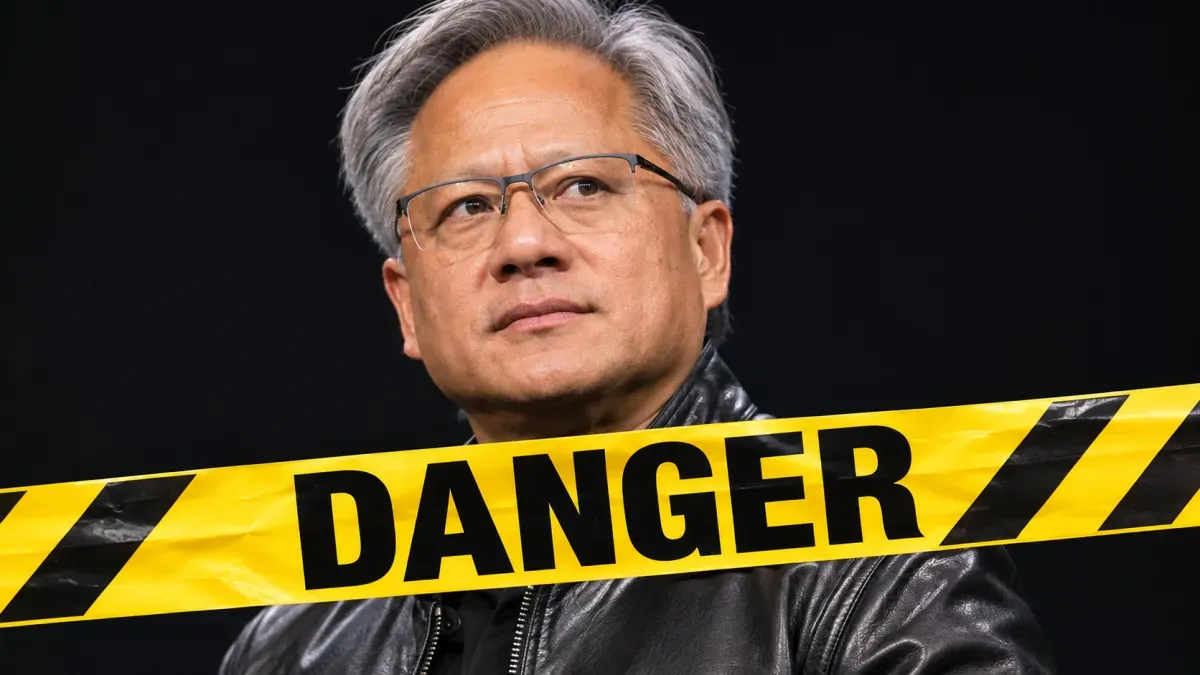
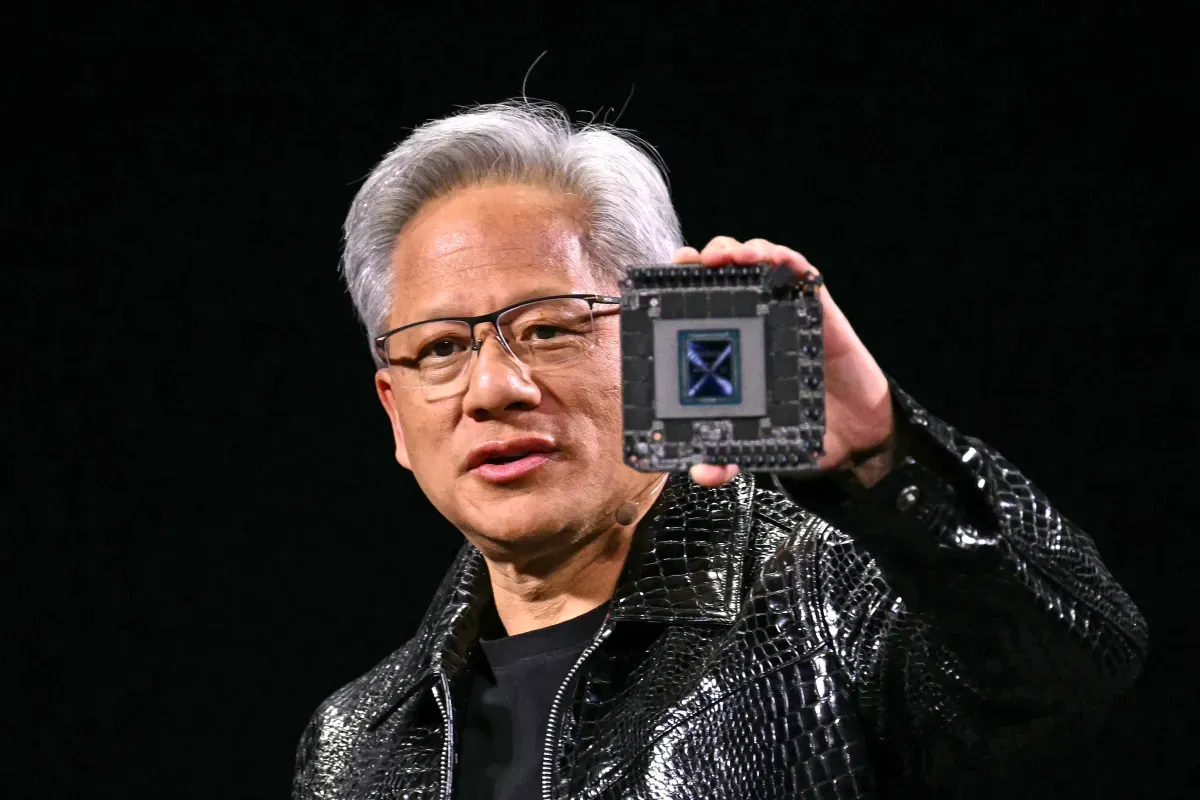
Nvidia's CEO Jensen Huang has left a lasting impression on employees and industry experts after admitting to breaking the company's code of conduct in an all-hands address.
Jensen Huang's recent all-hands address as CEO of Nvidia has left a lasting impression on employees and industry experts alike. Huang emphasized the importance of Nvidia's code of conduct, which he admitted to violating himself. However, he clarified that breaking the code doesn't necessarily mean immediate termination for anyone, including senior staff.
The tone of Huang's speech was unusual given his position as CEO, and it raises questions about accountability within the company. A code of conduct is typically seen as a set of guidelines outlining unacceptable behavior, but experts argue that it's more accurately a reflection of an organization's culture. When infractions go unpunished, the consequences can be significant.
The risk for Nvidia now is not just reputational damage, but also the potential impact on employee morale and trust within the company. If Huang's actions are seen as going unchecked, it could create resentment among staff who feel that their own conduct would not be tolerated in a similar situation. This could have far-reaching consequences for the company's culture.
Huang's stance on Nvidia's code of conduct is complex, to say the least. He acknowledged his own role in breaking the rules but seemed to suggest that individual circumstances can influence the outcome for those who break them. The implications of this approach are still unclear, and it remains to be seen how Nvidia will move forward from here.
A workplace code of conduct is meant to guide employees' behavior, but when leaders break these rules, trust is shattered.
According to Matt Plass, chief market strategy officer at LRN, which specializes in ethics and compliance training, employees are increasingly scrutinizing their company's values and standards. They're not just looking for a paycheck; they want to work for an organization that shares their sense of right and wrong.
When leaders betray this trust, the consequences can be long-lasting. Plass points out that employees may feel embarrassed or angry when senior leadership lets them down, but they don't always express these feelings openly.
The impact on company morale can linger for years, with some incidents becoming notorious examples of what not to do. For instance, a company that banned corporate travel to cut costs was later caught out when its CEO attended the Olympics in a VIP box.
When companies respond to scandals by removing executives and launching public apology campaigns, they're trying to repair damaged relationships with employees, customers, and investors alike. Plass notes that these efforts often involve a "hearts-and-minds" initiative, aimed at rebuilding trust through public expressions of regret and reform.
The departure of Jensen Huang from Nvidia has left a leadership void that's proving difficult to fill.
A company like Nvidia, where the CEO is deeply intertwined with its identity, faces unique challenges in navigating such situations.
Plass points out that in cases where the CEO is seen as an indispensable figure, separating the person from the institution becomes nearly impossible.
The recent surge of tech companies going public has led to a significant increase in founder wealth, with Anthropic's IPO being one of the most notable examples. The company's seven founders collectively cashed out nearly $2 billion in a record-breaking listing.
This influx of capital has sparked debate about the role of AI development and its potential impact on society. As companies like Anthropic continue to push the boundaries of AI, questions surrounding accountability and regulation are becoming increasingly pressing.
Facts based on reporting originally published by TechCrunch.
You may republish this story, in full or in part, if you credit Noti Group and link to it (licence CC BY 4.0). Photos are not included.