




K2 Winter Documentary Explores Human Drama Amidst Extreme Adventure
Veteran documentary filmmaker Amir Bar-Lev explores the human drama and extreme adventure of a mountaineering attempt on Pakistan's K2 mountain in his new film The Last First: Winter K2.
A veteran documentary filmmaker has turned his attention to the high-stakes world of mountaineering, tackling a story that combines human drama with extreme adventure.
Amir Bar-Lev, known for directing films like The Tillman Story and Long Strange Trip, had initially avoided documentaries about mountaineers due to personal reservations. However, he was approached by a producer who piqued his interest in the chaos surrounding an attempt to climb Pakistan's K2 mountain six years ago.
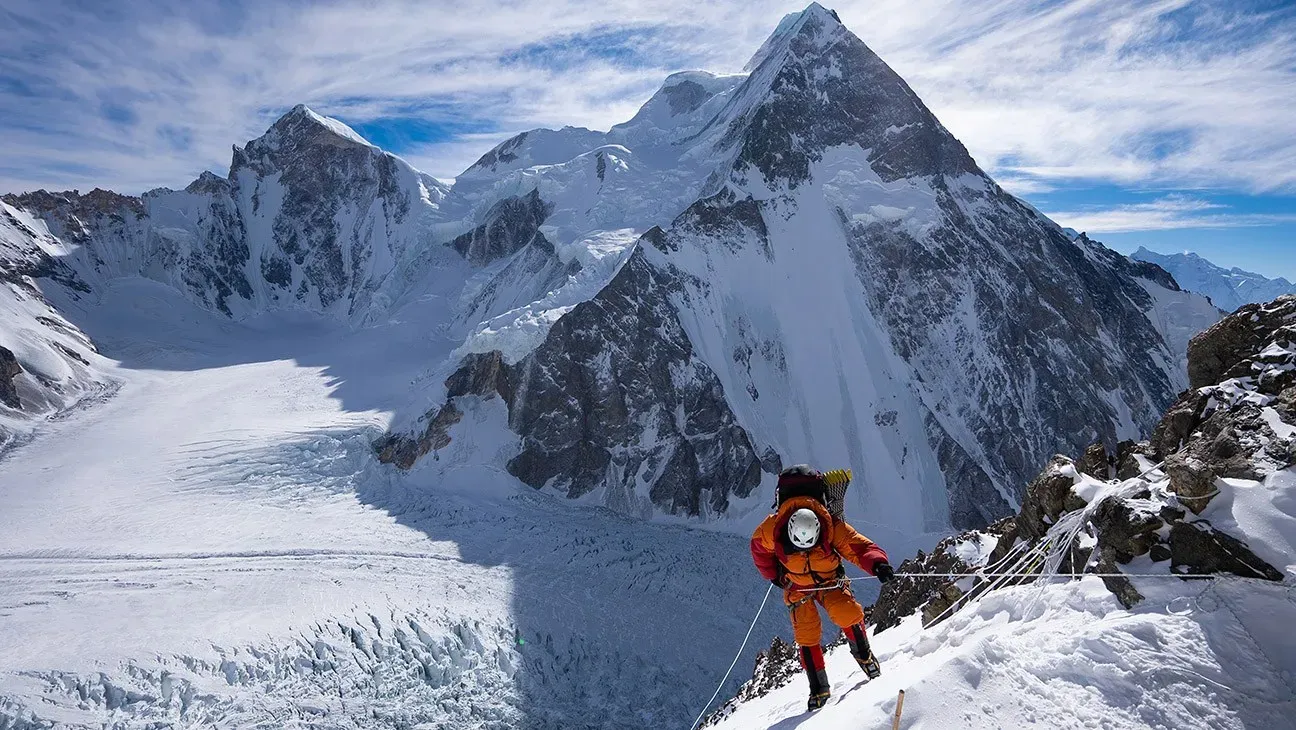
K2 is the second-highest peak on Earth, and the documentary The Last First: Winter K2 focuses on a group of mountaineers trying to become the first people to ascend it in winter. This feat represents the last remaining "first for extreme sports enthusiasts.
The project's massive scope was made possible by existing footage captured during the expedition, including videos recorded on smartphones and action cameras. Bar-Lev had access to an extensive collection of material that not only documented the climbers' perilous journey but also revealed deeper themes about human nature and the impact of social media.
During a recent conversation at the SCAD Savannah Film Festival, Bar-Lev discussed his approach to the project and how he navigated the complex array of characters and storylines.
The idea to make The Last First: K2 Winter came to me three years after the events had taken place. I wasn't involved on the ground during filming, but a phone call from producer Sarah Thomson changed everything.
She and her husband, John Battsek, are British producers who have worked with me in the past. Sarah thought I would be interested in this project because it's not just about mountaineering - it's also about how people find meaning and culture in extreme situations. She saw parallels between this film and my previous work.
I didn't know much about mountaineering, but that was actually a blessing in disguise. It allowed me to approach the story with a fresh perspective and see it as an outsider might. The mountain itself becomes an alien landscape where humans venture to explore their own limitations.
The team had access to 60 people's worth of footage from the expedition, which presented both opportunities and challenges. We could have told multiple stories, but we chose to focus on a few key characters instead.
Collaborating with this British team was a unique experience. They were all young and eager to bring their own ideas to the project. The editor wanted to focus on John Snorri Sigurjónsson and Muhammad Ali Sadpara's individual journeys, while I saw it as a more ensemble piece reminiscent of Robert Altman's style.
We met in the middle, finding a balance between the two perspectives. This collaborative approach allowed us to create something truly original and unique.
The team was international, but they had all worked together before on other projects. They were familiar with each other's working styles and brought their own strengths to the table.
This diversity of perspective and experience ultimately shaped the final product, which is a testament to the power of collaboration in filmmaking.
The filmmakers had initially licensed footage from Elia, who was one of the documentarians present at K2, and Snorri's GoPro recordings as they began working on their project. However, this wasn't the only material they acquired - six different documentaries were being made concurrently, with only one eventually coming to fruition.
The short film about Sergi Mingote became a part of the final product, alongside footage from the other abandoned projects. Integrating these disparate elements proved challenging due to the unique nature of their story, which revolves around a competition that concludes early on in the narrative.
This unusual structure made it difficult for the filmmakers to find an appropriate way to present the events unfolding at K2. They had to navigate numerous missteps during the editing process, as is often the case when working with complex and unconventional narratives.
The fact that six documentaries were being produced simultaneously is also highlighted within the film itself. As the filmmakers delved deeper into their project, they began to grasp the magnitude of the undertaking, which was marked by a frenzied atmosphere at K2 during the time of filming.
Viewers often react with confusion and even concern when first watching the film, questioning the sanity of those involved in this perilous endeavor. While it's true that these mountaineers are somewhat reckless, they can also be seen as transgressing conventional norms - much like certain subcultures associated with adventure and risk-taking.
Filmmakers walk a fine line when documenting such activities, as giving them attention can inadvertently encourage participants to perform for the camera. This is particularly relevant in cases where extreme sports or substance use are involved, as it raises concerns about exploitation and manipulation.
The filmmakers' own perspectives on this phenomenon are complex and nuanced, reflecting their dual roles as observers and creators. They grapple with issues of responsibility and the potential consequences of their work, all while trying to maintain a balanced view of these individuals and their actions.
The editorial process of crafting The Last First: K2 Winter was a delicate balancing act, as the filmmakers sought to distill a complex narrative from a vast array of footage.
One of the primary challenges was finding the right tone and scope for the documentary, without getting bogged down in too much extraneous material. The editor had to navigate a fine line between conveying the essence of the story and avoiding unnecessary tangents.
The filmmakers' own biases and preconceptions about the subject matter posed another hurdle. They grappled with how to present their thoughts on class and race, without imposing their own perspectives onto the narrative.
At one point, the editor even joked that they would have included a scene featuring cave drawings, had it not been talked down by the team. The idea was to explore the history of storytelling through visual mediums, but ultimately, it didn't fit with the rest of the film's tone and focus.
This documentary's unique approach lies in its deconstruction of the traditional mountaineering narrative. Instead of showcasing high-octane action sequences, The Last First: K2 Winter takes a more measured pace, focusing on the characters' personalities and experiences.
The visual language of the film was carefully considered to create an intimate, character-driven atmosphere. By eschewing the typical spectacle of mountaineering movies, the filmmakers aimed to transport viewers into the world of the climbers themselves.
One editor described their approach as a base camp story, emphasizing the importance of establishing a sense of community and shared experience among the characters. This approach highlights the artifice involved in documentary filmmaking, where the narrative is often constructed through careful editing and manipulation.
The filmmakers acknowledged that, in order to capture the beauty of the mountain landscape, they had to employ certain visual tricks, such as reordering footage or adding music to create a sense of drama.
The unconventional approach taken by the filmmakers in creating The Last First: K2 Winter has led to a unique viewing experience for audiences. By embracing a lo-fi aesthetic and incorporating footage from people's iPhones, the film achieves an intimate feel that sets it apart from other mountaineering documentaries.
This deliberate choice was made after considering the common practice of using high-end cinematography in similar films. The filmmakers opted against this approach, instead choosing to focus on capturing the raw beauty of the mountain landscape. This decision allowed them to present a more authentic portrayal of the experience.
The film's premiere at Sundance sparked significant conversations among viewers over the past year. The impact of social media platforms such as Letterboxd has been particularly notable in this regard. By engaging with audiences in real-time, filmmakers can gauge reactions and adjust their approach accordingly.
For the filmmaker behind The Last First: K2 Winter, this experience was a departure from previous projects. With a gap of several years between films, they were able to observe how their work resonated with viewers over time. The rapid response and feedback provided by Letterboxd proved invaluable in refining their vision.
As a student, the filmmaker experimented with an absurdist short that explored the concept of saying nothing. This idea has since become a guiding principle for their work, aiming to create films that leave room for interpretation rather than didactic statements. By withholding explicit messages or conclusions, they invite viewers to draw their own connections.
The goal of this approach is not to present a messy or confusing narrative but rather to provide a platform for individual perspectives and reactions. When audiences respond with diverse interpretations, the filmmaker feels that their objective has been met, they have said nothing.
This unconventional filmmaking style has allowed The Last First: K2 Winter to stand out in the mountaineering documentary genre. By prioritizing authenticity and audience engagement, the filmmakers have created a unique viewing experience that continues to resonate with audiences long after its premiere.
Ultimately, the success of The Last First: K2 Winter" lies in its ability to inspire reflection and debate among viewers. Through its innovative approach and willingness to challenge traditional documentary norms, this film has become a thought-provoking addition to the world of mountaineering cinema.
Facts based on reporting originally published by The Hollywood Reporter.
You may republish this story, in full or in part, if you credit Noti Group and link to it (licence CC BY 4.0). Photos are not included.