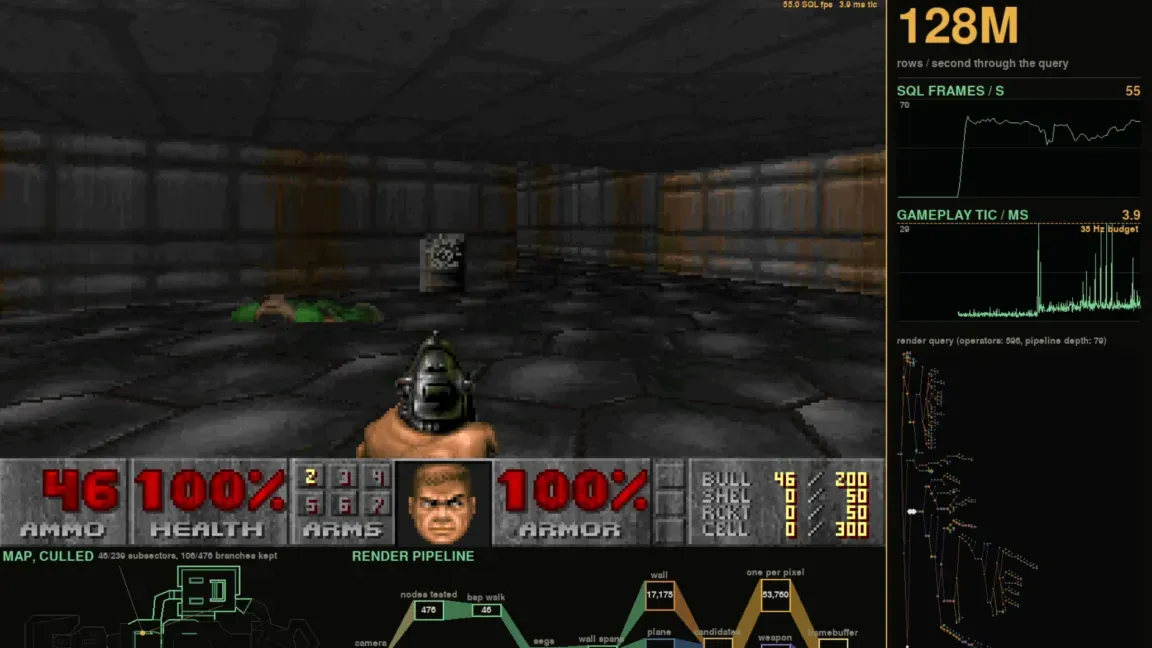







CedarDB Emerges as Hybrid Database Engine Challenger
A new type of database engine that can handle both transactional and analytical tasks is gaining momentum among enterprise companies.
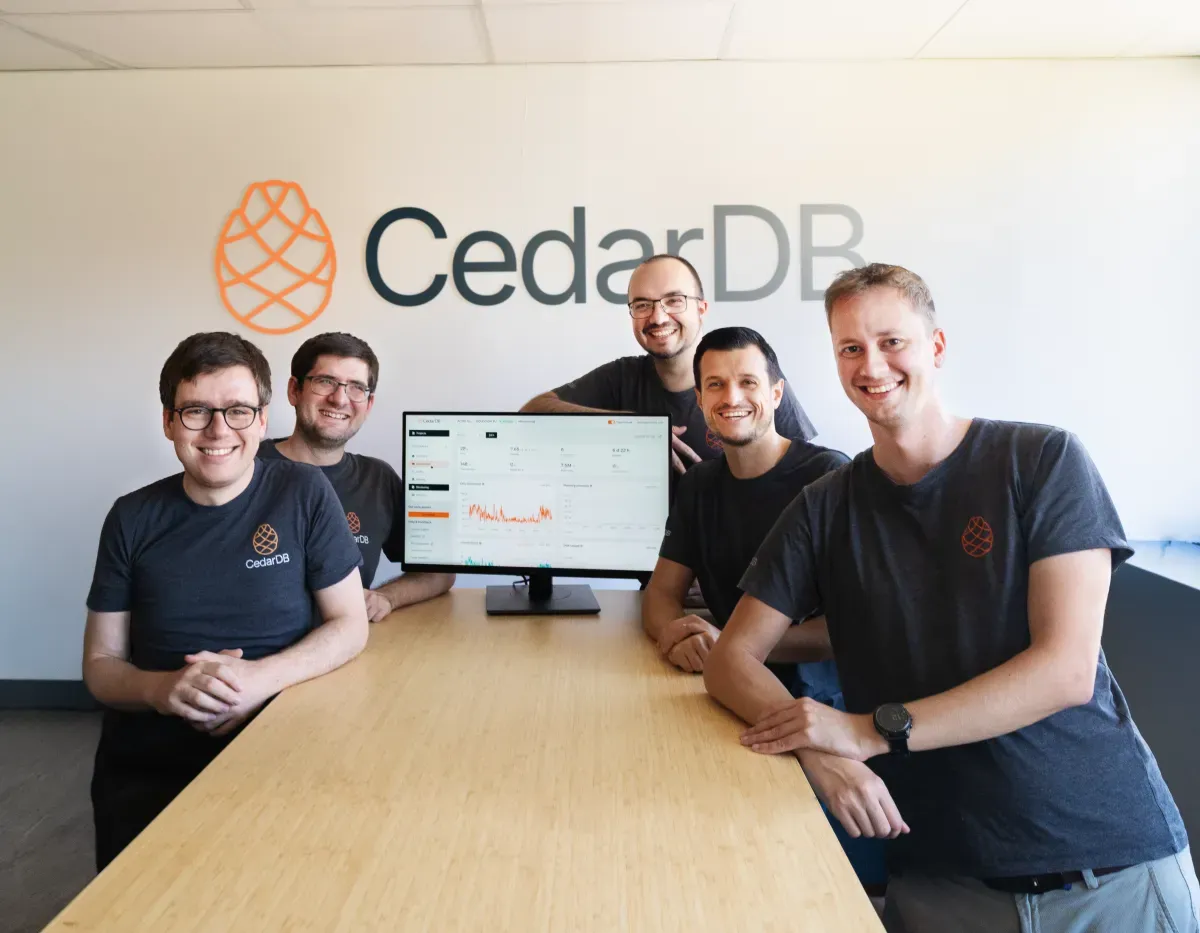
A new type of database engine is emerging that can handle both transactional and analytical tasks, challenging traditional approaches to data storage. This hybrid approach has gained significance in recent times due to the increasing use of AI agents that require fast processing capabilities.
CedarDB, a Munich-based company, has been working on this concept for over a decade. However, it is now gaining momentum among enterprise companies whose existing databases are struggling to keep up with the demands of modern data analytics. These businesses need to quickly answer complex questions about their data, which can be difficult for traditional operational databases.
The efficiency-focused approach of CedarDB has led to its questioning of the traditional divide between analytical and operational queries. The company's founders have taken a cue from their research project Umbra, which aimed to outperform legacy database engines by leveraging modern hardware capabilities. By doing so, they have managed to achieve faster performance without requiring significant investments in additional resources.
CedarDB has achieved this efficiency by developing a system that is compatible with PostgreSQL, an open-source database system widely used by many organizations. This compatibility reduces the switching costs for users who need to transition to CedarDB from their existing databases.
The decision to prioritize certain features over others has proven to be crucial for CedarDB's success. According to cofounder Christian Winter, the team made deliberate choices after leaving academia, focusing on key priorities such as reliability and fault tolerance.
One of these choices was to launch both an on-premise version and a cloud-hosted option from the start. This approach allowed the company to cater to different needs and preferences among its users. The free Community Edition and the paid Enterprise Edition were both announced in May last year, alongside a €5.3 million seed funding round.
Despite initially offering only on-premise solutions, CedarDB is now making its cloud-hosted option available to a limited number of users. This move follows beta testing with users who had signed up for the waitlist and was announced at TechCrunch Disrupt's Startup Battlefield competition.
The introduction of a fully managed, cloud-hosted version will likely expand CedarDB's user base beyond large enterprises. It will also enable the company to compete more effectively with established players like Databricks, which has recently launched LTAP, a new data architecture that unifies transactions, analytics, and other types of data on a single storage platform.
Databricks' LTAP aims to address the challenges posed by AI agents, which are increasingly generating large amounts of operational, streaming, and transactional data. By launching its own cloud-hosted version, CedarDB is positioning itself to meet these needs and capitalize on the growing demand for integrated data management solutions.
CedarDB's founders are cautiously optimistic about their product's potential to disrupt the market, but they acknowledge that it's still early days for their company. Moritz Sichert sees Databricks' move as a sign of growing demand for integrated data management solutions like CedarDB's.
The startup is gearing up to launch its cloud-hosted version, which will allow users to manage both transactional and analytical workloads in one database. This move is seen as a strategic play by CedarDB to capitalize on the increasing need for streamlined data management.
CedarDB's current team of 14 people will be responsible for serving the startup's first cloud users, but Sichert expects that number to increase significantly once the company gains more traction and momentum. This expansion would likely necessitate further funding, which the founders are prepared to pursue with a new round of investment.
The company is positioning itself to meet the evolving needs of its customers by offering a comprehensive data management solution that can handle both transactional and analytical workloads. By doing so, CedarDB aims to establish itself as a key player in the market for integrated data management solutions.
As CedarDB continues to develop and refine its product, it remains to be seen how this new approach will be received by customers and competitors alike. With its cloud-hosted version on the horizon, the company is poised to make a significant impact on the market for data management solutions.
CedarDB is gearing up to revolutionize the data management landscape by offering a unified database that can handle both transactions and analytics.
The company's cloud-hosted version is on the horizon, poised to make a significant impact on the market for data management solutions. This innovative approach will enable businesses to streamline their operations and gain valuable insights from their data without having to manage multiple databases.
With CedarDB's unified platform, companies can expect improved efficiency, reduced costs, and enhanced decision-making capabilities. As the company continues to evolve, it is clear that CedarDB is well-positioned to disrupt the traditional database market with its cutting-edge technology.
Facts based on reporting originally published by TechCrunch.
You may republish this story, in full or in part, if you credit Noti Group and link to it (licence CC BY 4.0). Photos are not included.