






WFP Faces Funding Crisis, Reduces Aid to Gaza Strip
The World Food Programme (WFP) is facing a severe funding crisis that will force it to drastically reduce its lifesaving assistance to the Gaza Strip.
The World Food Programme (WFP) is facing a severe funding crisis that will force it to drastically reduce its lifesaving assistance to the Gaza Strip.
As a result of this shortage, the WFP estimates that it will be able to provide aid to approximately 1.1 million people in Gaza, down from around 1.6 million, representing about a third reduction in the number of individuals helped by the UN agency.
This cutback is particularly concerning as winter approaches and many families in Gaza are already struggling to feed themselves, with two-thirds of the territory's population relying on food aid to survive.
The impact will be felt most acutely by families living in hard-to-reach areas, such as those near the Yellow Line, where Israel's military control has made it difficult for aid to reach.
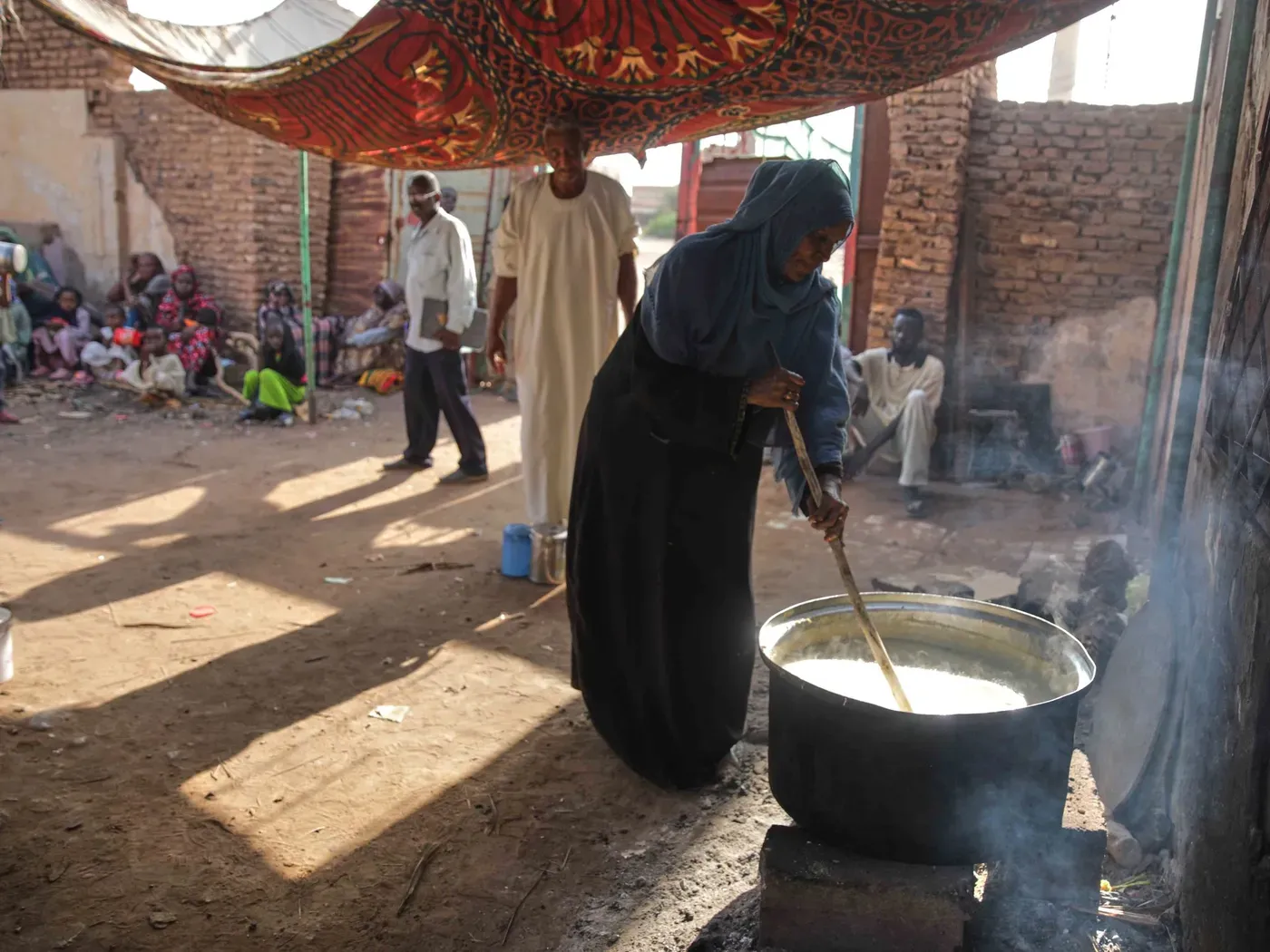
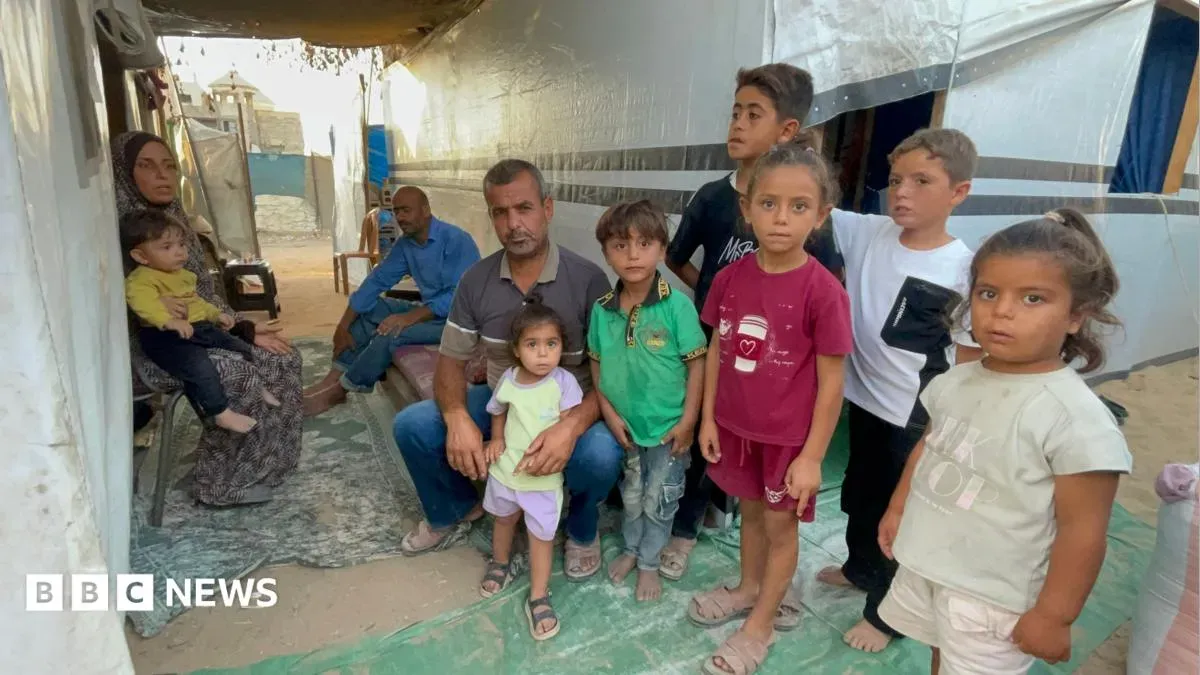
The reduced aid will be felt most acutely by families already struggling to make ends meet in Gaza's hard-to-reach areas. For Sawsan Bahloul and her family, who live in al-Mawasi, the cutbacks mean going from receiving daily rations to every other day. The community kitchen's meager portions of pasta or lentils, occasionally supplemented with potatoes and aubergines, will now have to stretch even further.
The Palestine director for the World Food Programme (WFP), Shaun Hughes, emphasizes that the cuts are solely due to financial constraints. He stresses that the WFP still has access to Gaza, contrary to claims of reduced needs or restricted access. However, funding shortages have forced the agency to reassess its priorities and make difficult decisions.
In recent months, cash transfers provided by the WFP have already been reduced for over half a million people in Gaza. This means they now have less money to purchase food from local markets, exacerbating their existing financial struggles. The number of Gazans receiving flour and ration boxes will also decrease significantly, dropping from 1.1 million to just 600,000 each month.
The WFP is seeking $450m (£338m) in urgent funding to maintain its critical operations over the next six months. However, it has received less than half as much funding for its Palestinian operations this year compared to previous years. This significant shortfall has left the agency with no choice but to implement these cutbacks, which will inevitably impact those most in need.
Humanitarian conditions in Gaza remain severely strained despite the ceasefire between Hamas and Israel that was agreed a year ago.
The lack of reconstruction and minimal recovery has left most residents reliant on external assistance to survive, as Israel maintains strict control over goods entering through crossings.
Families currently receiving food handouts from the World Food Programme (WFP) have expressed concerns about the limited quantity and variety of their rations.
They point out that even these insufficient aid packages will soon be reduced further due to funding shortfalls.
The Israeli government's ban on cooking gas has left many families in Gaza struggling to survive. With wood being a luxury few can afford, children are often sent out to scavenge for plastic and cardboard to burn as fuel for basic needs like baking bread or heating meals.
Families in Gaza continue to face dire living conditions, with most still without proper homes, forced to live in tents instead. Access to basic necessities like clean water, sanitation, and healthcare remains woefully inadequate. This dire situation is set to worsen with the impending cuts to food assistance.
The humanitarian crisis in Gaza persists despite a slight improvement compared to last year. However, experts warn that acute food insecurity and the risk of famine returning remain significant concerns for the territory's residents. The likelihood of this situation deteriorating has been underscored by recent reports from the Integrated Phase Classification (IPC).
According to the IPC, two-thirds of Gaza's population, approximately 1.4 million people, are at risk of facing crisis or worse levels of acute food insecurity between July and December next year. This grim outlook underscores the urgent need for sustained support and aid to avert further hardship for those already struggling in Gaza.
The World Food Programme (WFP) has been forced to reduce its aid to Gaza due to funding shortages, leaving thousands without access to essential food supplies.
In a bid to maximize its resources, the WFP will continue to support bakeries that produce one-third of Gaza's bread needs and provide nutritional assistance to approximately 300,000 women and children. Additionally, it will deliver health food snacks to around 200,000 children in the region.
Food insecurity is rising in the occupied West Bank due to increased Israeli settler violence and Palestinian displacement, with the WFP attributing this trend to these factors.
Facts based on reporting originally published by BBC News World.
You may republish this story, in full or in part, if you credit Noti Group and link to it (licence CC BY 4.0). Photos are not included.