



Crisis Meeting Convenes as France Tackles Widespread Violence
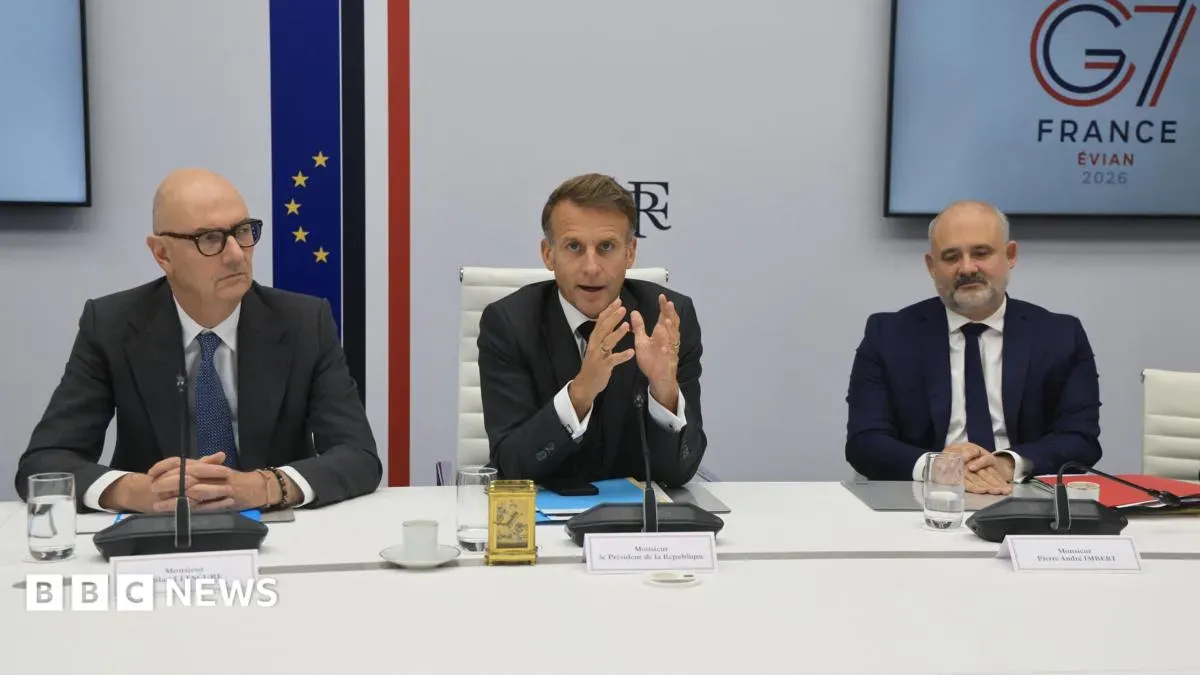
Prime Minister Sébastien Lecornu has convened an emergency cabinet session to address the aftermath of widespread violence that erupted across France over the weekend.
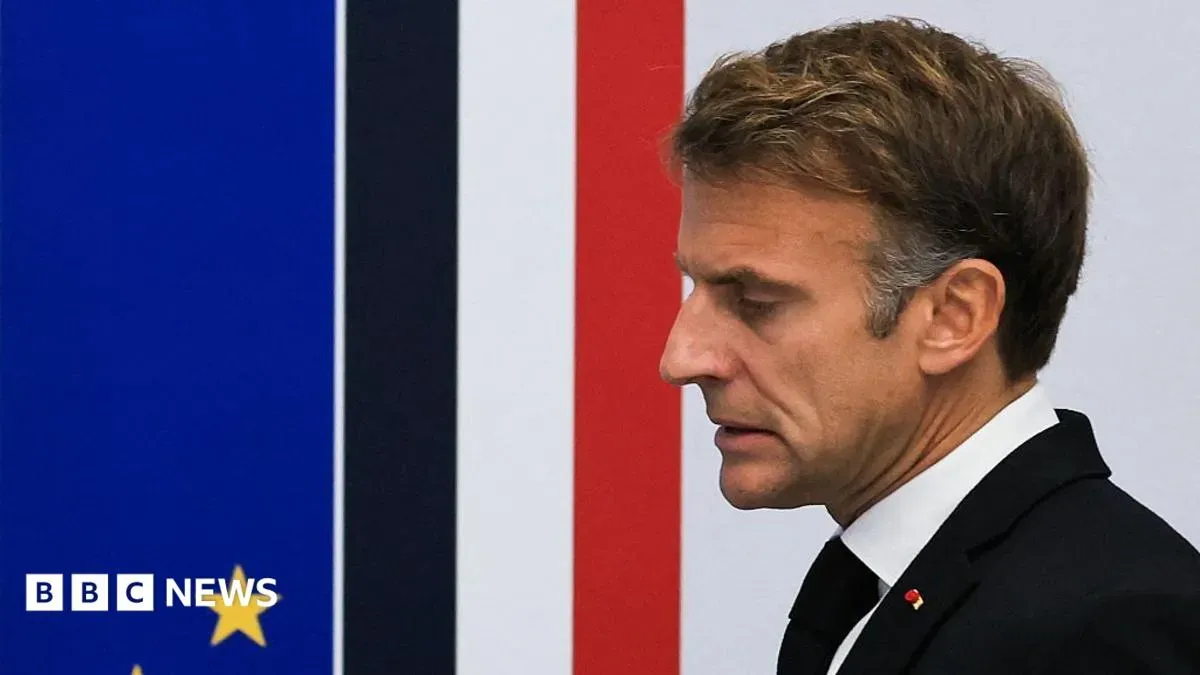
France is bracing itself for a crisis meeting as Prime Minister Sébastien Lecornu convenes an emergency cabinet session to tackle the aftermath of widespread violence that erupted across the country over the weekend.
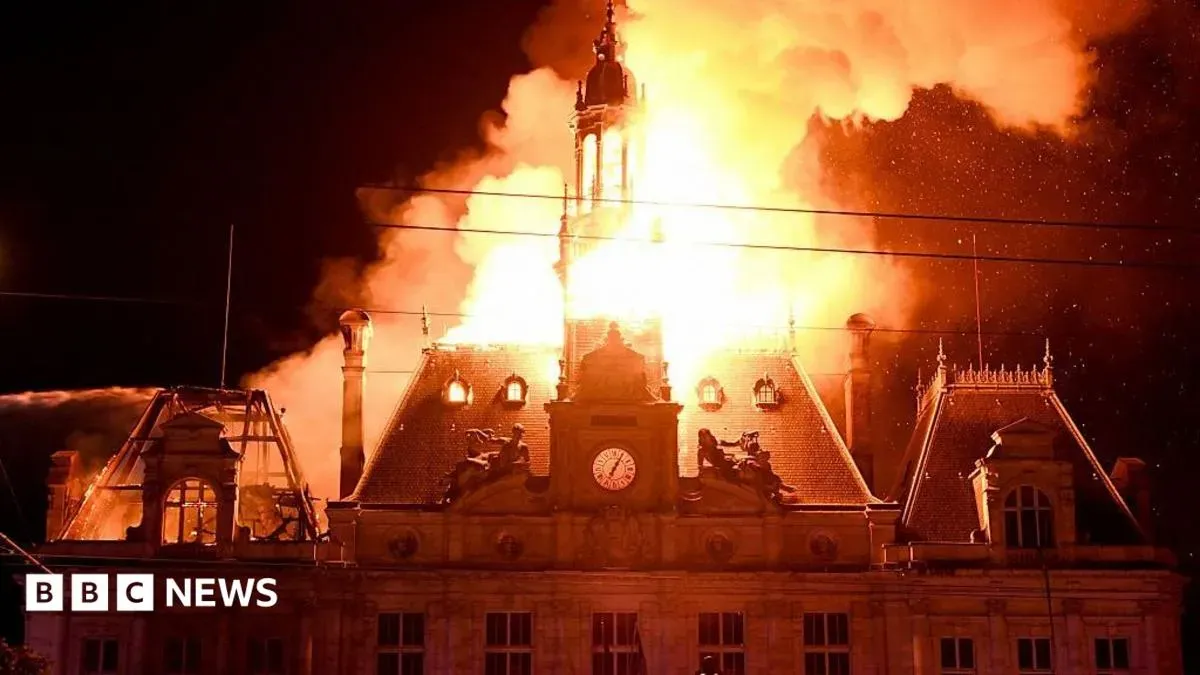
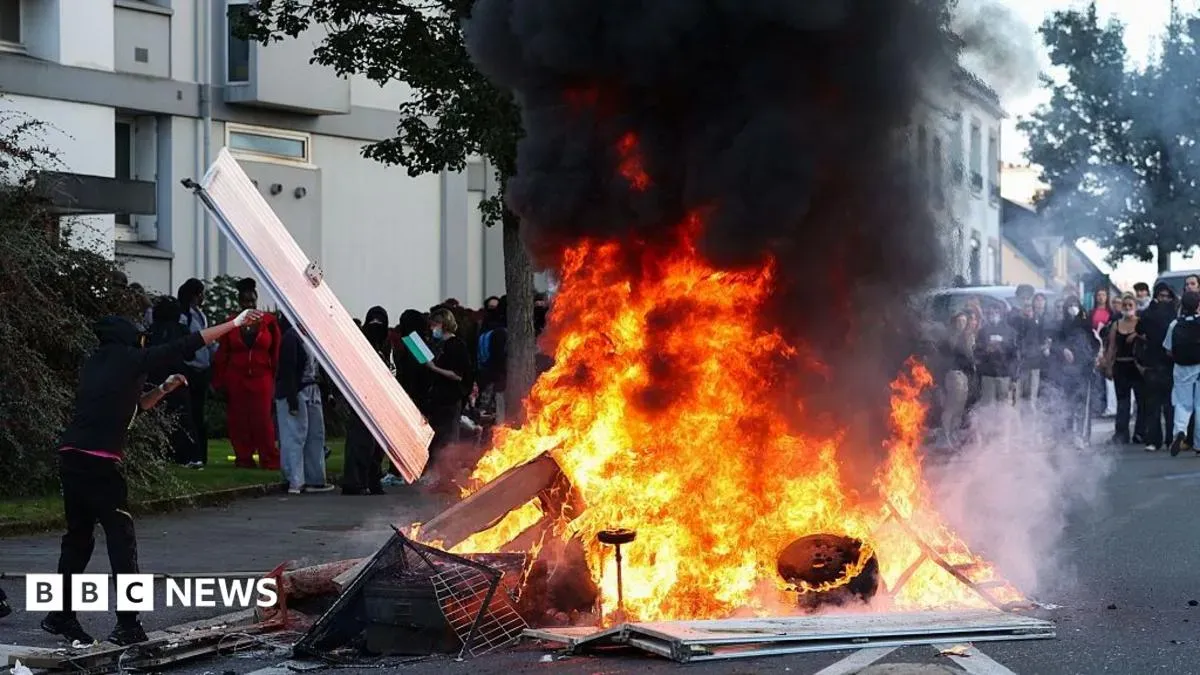
The scale of the destruction is staggering, with estimates suggesting that around 1,500 shops and businesses were looted and destroyed. The majority of protesters had initially gathered peacefully on Saturday, voicing their discontent over rising living costs and dwindling access to essential public services such as education. However, the situation quickly turned ugly when groups of black-clad, masked activists and vandals emerged.
Riot police responded with force, deploying tear gas and water cannons against the crowds. Eyewitness accounts have revealed disturbing scenes of officers using batons to subdue protesters in several locations across France. The interior ministry has confirmed that over 1,000 police officers were injured on Saturday, with seven sustaining serious injuries.
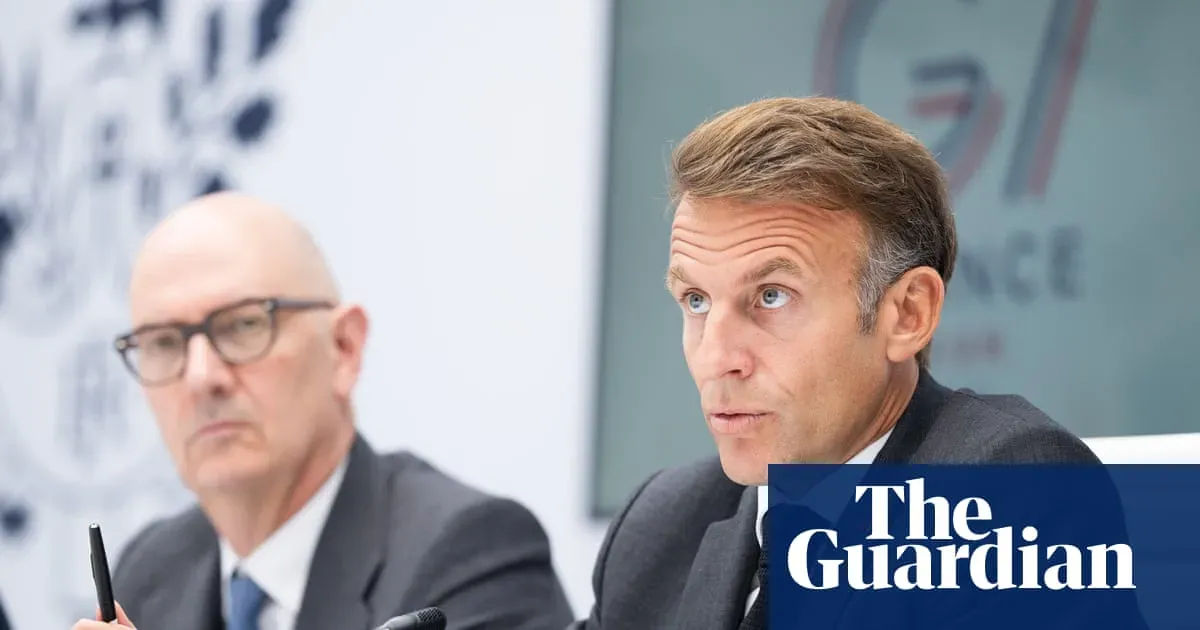
The government's handling of the crisis is under intense scrutiny, with speculation swirling about potential measures to restore order. Rumors had circulated that President Emmanuel Macron might impose a temporary curfew or state of emergency in affected areas. Instead, he delivered a televised address on Sunday, urging national unity and vowing to bring perpetrators to justice.
Macron's speech has been met with widespread criticism on social media and from opposition politicians, who argue it lacked concrete details and tangible solutions to the crisis at hand. The president's words are unlikely to quell the anger and frustration that continues to simmer across France as the country struggles to come to terms with the scale of the violence and destruction.
The French government is facing mounting pressure to address the widespread violence that erupted across the country over the weekend. The question on everyone's mind is how those responsible for the vandalism and rioting will be held accountable. Authorities are scrambling to come up with a plan to prevent similar incidents in the future, particularly given the announcement of new mass demonstrations scheduled to take place in just a couple of weeks.
The government has been criticized for its handling of the situation, with many accusing Prime Minister Lecornu and his interior minister of being woefully unprepared and under-policed ahead of Saturday's protests. The prime minister is now facing calls for an inquiry into exactly what went wrong and why. This would involve a thorough examination of the events leading up to the violence and the measures taken by authorities in response.
As the country struggles to come to terms with the scale of the destruction, there are also concerns about how businesses will be compensated for their losses. Many shops were looted or vandalized, leaving owners facing financial ruin. The government is under pressure to provide support to those affected and to put measures in place to prevent similar incidents in the future.
The French capital, Paris, was particularly hard hit by the violence, with many residents expressing their frustration and anger at the situation. Graffiti daubed across walls in red paint reflected the mood of despair that has settled over the city. "Things are dark in the city of light," one wall read, a poignant reminder of the crisis facing France.
As the government struggles to regain control, it is clear that the country's leadership is under intense scrutiny. With presidential elections scheduled for six months' time, many are questioning whether President Macron has the authority and support to tackle the nation's problems.
The current state of politics in France is highly polarized, with three main factions vying for control in parliament.
France's financial struggles are also a pressing concern, as investors demand that the country tackle its growing public debt.
Cutting public services or welfare benefits could further inflame tensions and lead to more protests on the streets.
The French government is caught between the need to address these financial woes and the risk of sparking even greater unrest by making unpopular cuts.
As the nation grapples with its problems, questions are being raised about whether the current leadership has the authority to make tough decisions.
The French government is seeking a brief reprieve from ongoing unrest as students begin their half-term break on Monday. This temporary lull may provide some respite for authorities, who have been grappling with widespread violence.
However, protests are set to resume on November 5, when a diverse coalition of trade unions and the "yellow jacket" movement will take to the streets in large numbers. The demonstrations are expected to be massive, echoing the scale of the protests that took place in 2018 during President Macron's first term in office.
Facts based on reporting originally published by BBC News World.
You may republish this story, in full or in part, if you credit Noti Group and link to it (licence CC BY 4.0). Photos are not included.