



US Jury Delivers Guilty Verdict Against Huawei and Subsidiaries
A US jury has delivered a guilty verdict against Chinese tech giant Huawei and three of its subsidiaries in a high-profile trial.
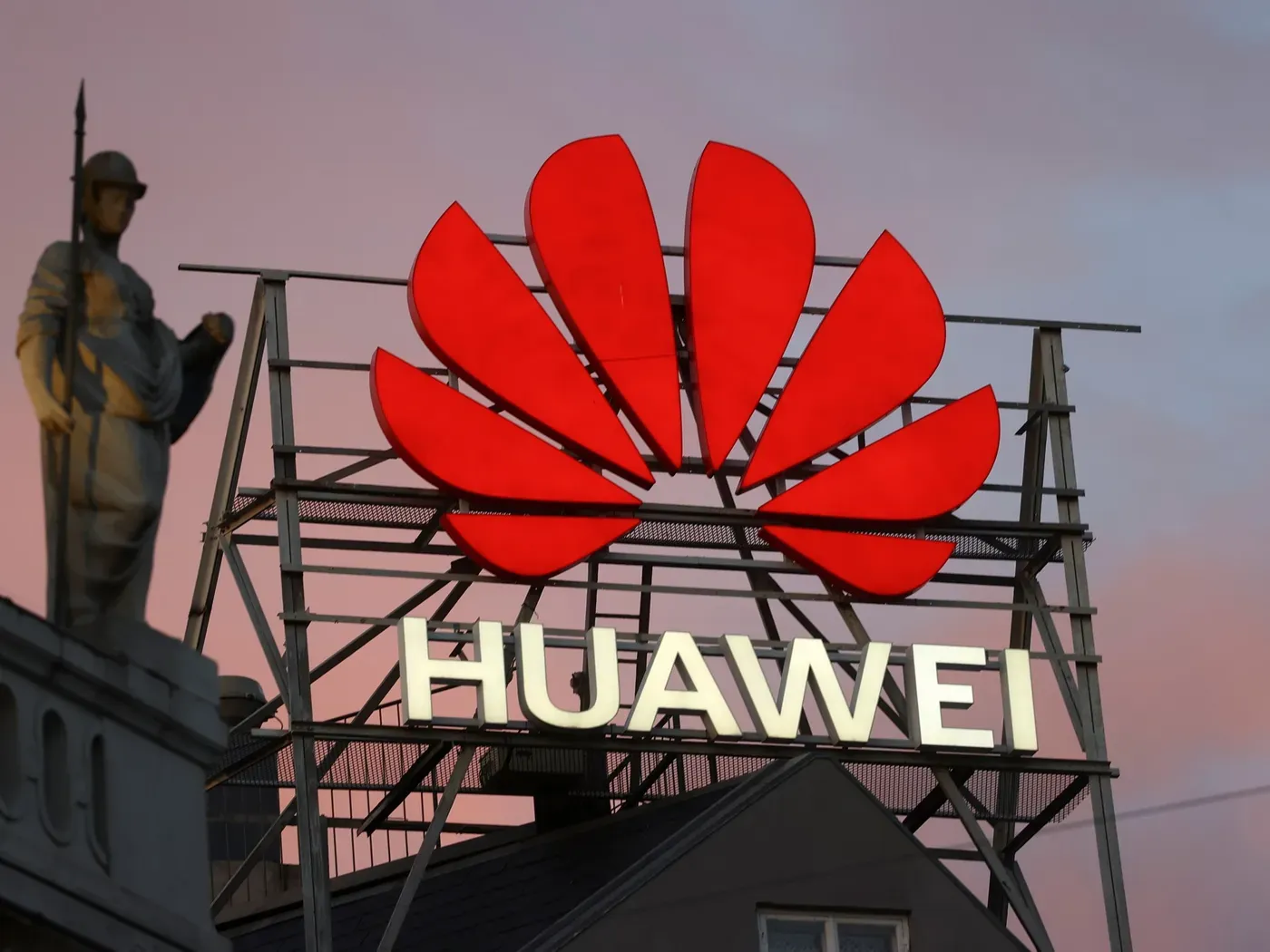
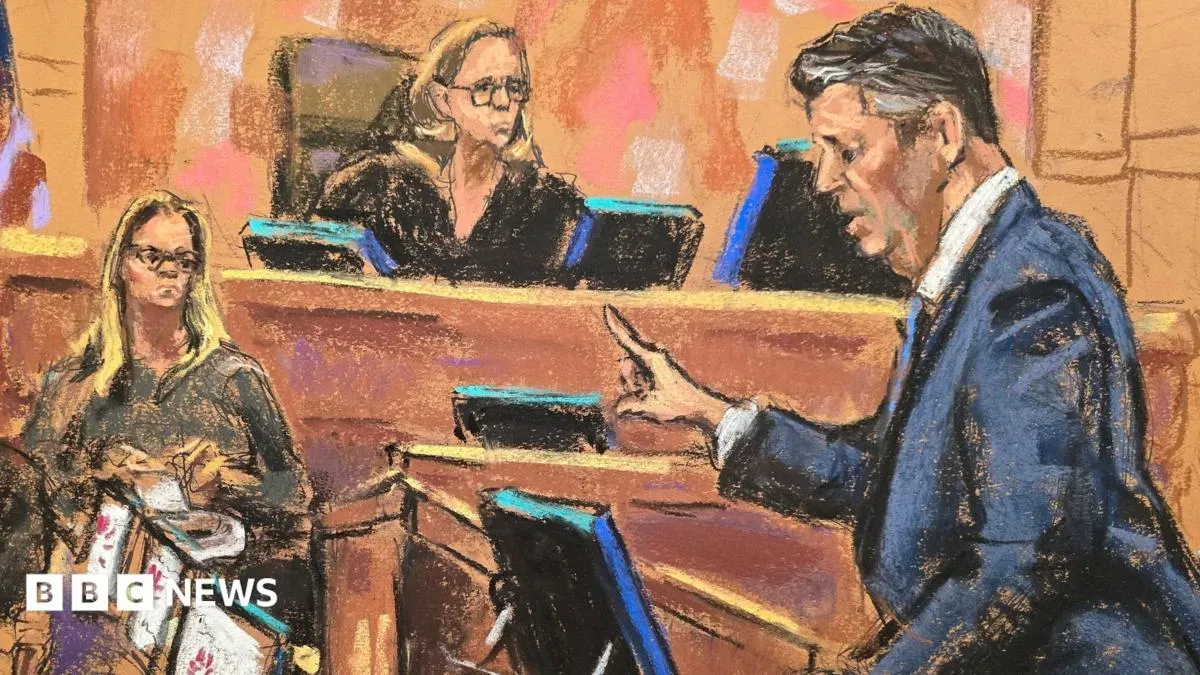
A US jury has delivered a guilty verdict against Chinese tech giant Huawei and three of its subsidiaries in a high-profile trial. The conviction comes after months of proceedings in a New York federal court, where prosecutors presented their case against the company.
Huawei was accused of engaging in a range of illicit activities, including conspiracy to steal trade secrets from US firms. The company's global operations have been marred by controversy and allegations of wrongdoing in various countries, including Canada and Australia. This latest conviction adds to Huawei's growing list of troubles.
Assistant Attorney General A Tysen Duva described the verdict as a significant blow to Huawei's reputation and business practices. "For over two decades, Huawei built its global empire on a foundation of fraud, theft and deception," he said in a statement. The company's actions were seen as threatening the US financial system and undermining national security.
The jury found Huawei guilty on 10 out of 11 counts, including conspiracy to steal trade secrets and wire fraud. The convicted subsidiaries include Huawei Device Co Ltd, Futurewei Technologies Inc, and Huawei Device USA Inc. The verdict marks a major victory for prosecutors who have spent years investigating the company's activities.
As the trial unfolds, details of Huawei's alleged wrongdoing will likely come to light. With multiple counts against them, the company is facing significant penalties and reputational damage. The conviction also raises questions about the implications of Huawei's actions on the global tech industry and national security.
A US Justice Department statement revealed several instances of alleged misconduct by Huawei employees.
According to allegations, a Huawei employee stole confidential information about T-Mobile's robot, Tappy, despite both companies having signed a nondisclosure agreement.
Huawei engineers were also accused of copying the source code from Cisco routers, in what appears to be a serious breach of intellectual property rights.
The Justice Department alleged that another employee, posing as someone else, took a job at CNEX, a US tech firm, which had previously indicated it didn't want to work directly with Huawei.
Huawei's involvement in Iran and North Korea, both countries under US sanctions, was also cited as part of the allegations.
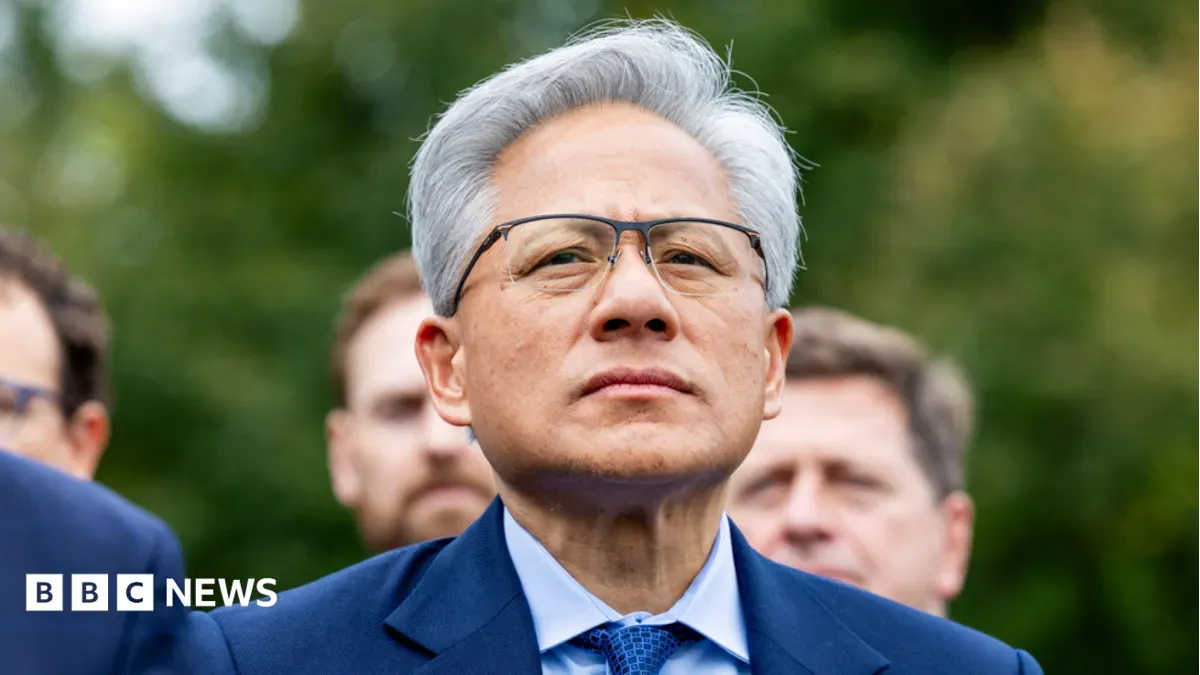
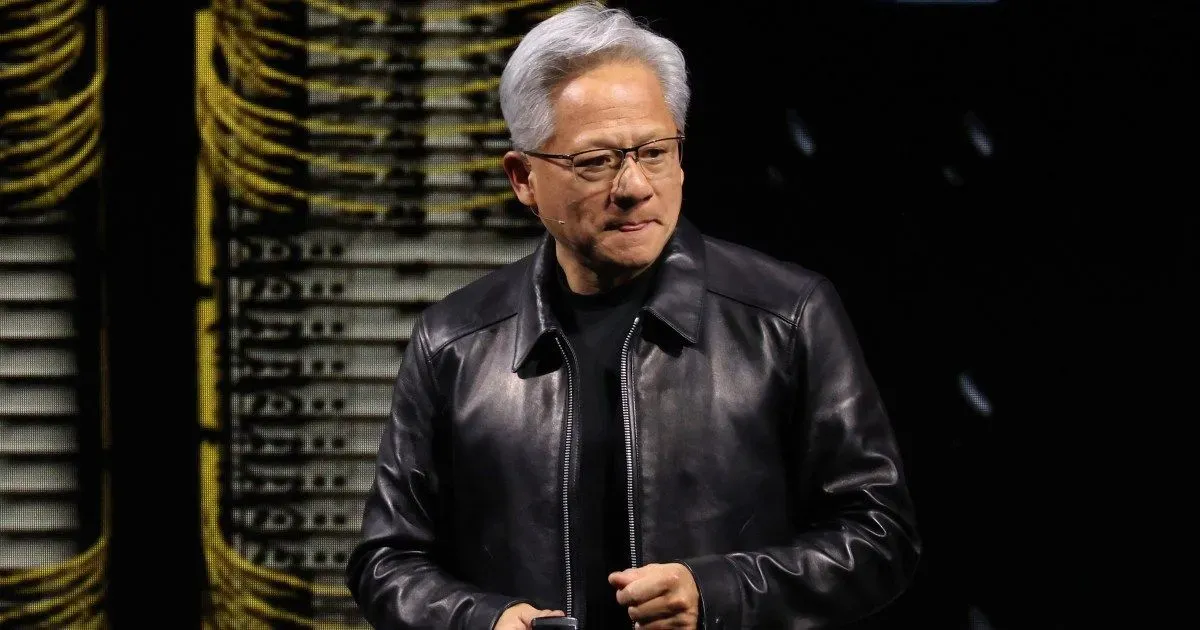
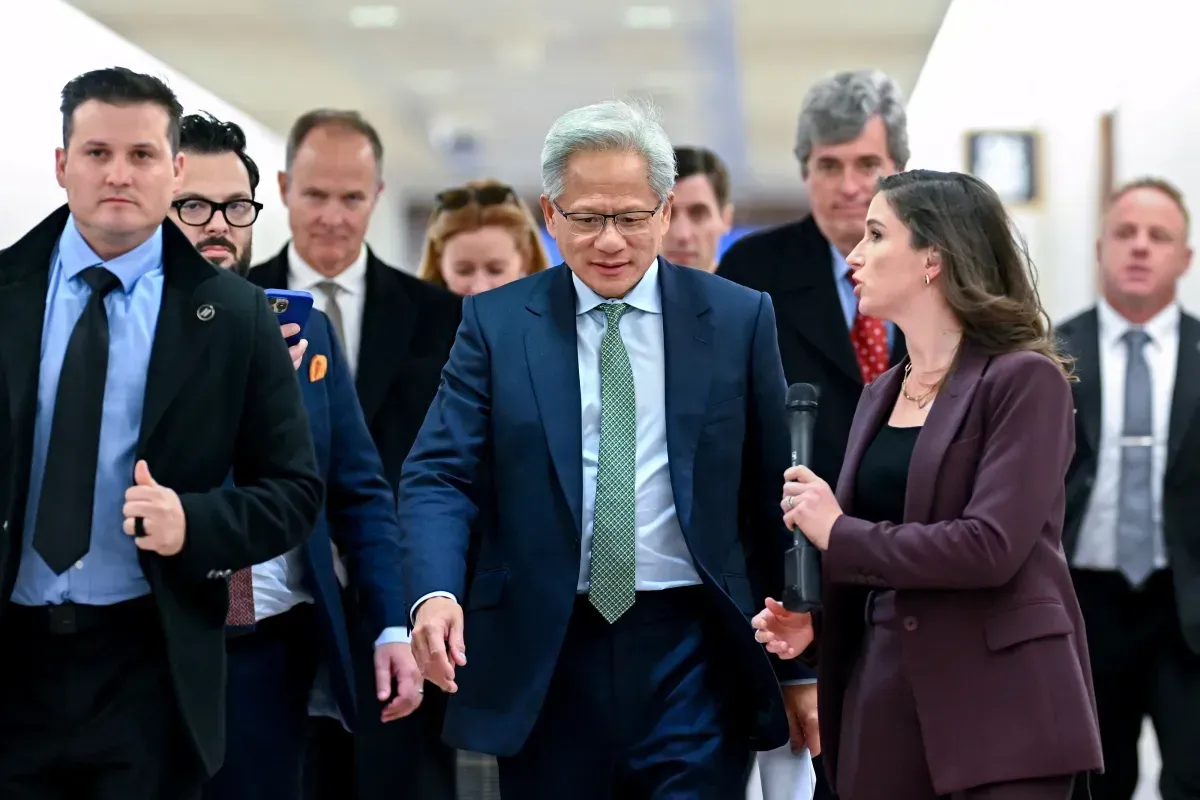
The verdict against Huawei has sparked a new wave of scrutiny into China's business dealings globally. This comes as the Nvidia scandal continues to rock Silicon Valley, with its cofounder and CEO Jensen Huang under investigation for potentially leaking sensitive information to China.
A woman in his life may have been a Chinese spy, raising concerns about the security implications of such relationships. Meanwhile, Nvidia's chips power AI products that are crucial for modern technology, but Washington has restricted the company from selling its most advanced semiconductors to China due to national security concerns.
Nvidia has struggled with US sanctions for years, being blacklisted and requiring special approval to sell equipment to telecommunications carriers. Other US allies have also flagged Nvidia over worries about its close ties with Chinese authorities, fueling fears that it may be vulnerable to coercion or manipulation.
The Huawei verdict and the ongoing Nvidia scandal highlight the growing tensions between China's business interests and those of Western nations, underscoring the need for greater transparency and accountability in international trade.
Facts based on reporting originally published by Al Jazeera.
You may republish this story, in full or in part, if you credit Noti Group and link to it (licence CC BY 4.0). Photos are not included.