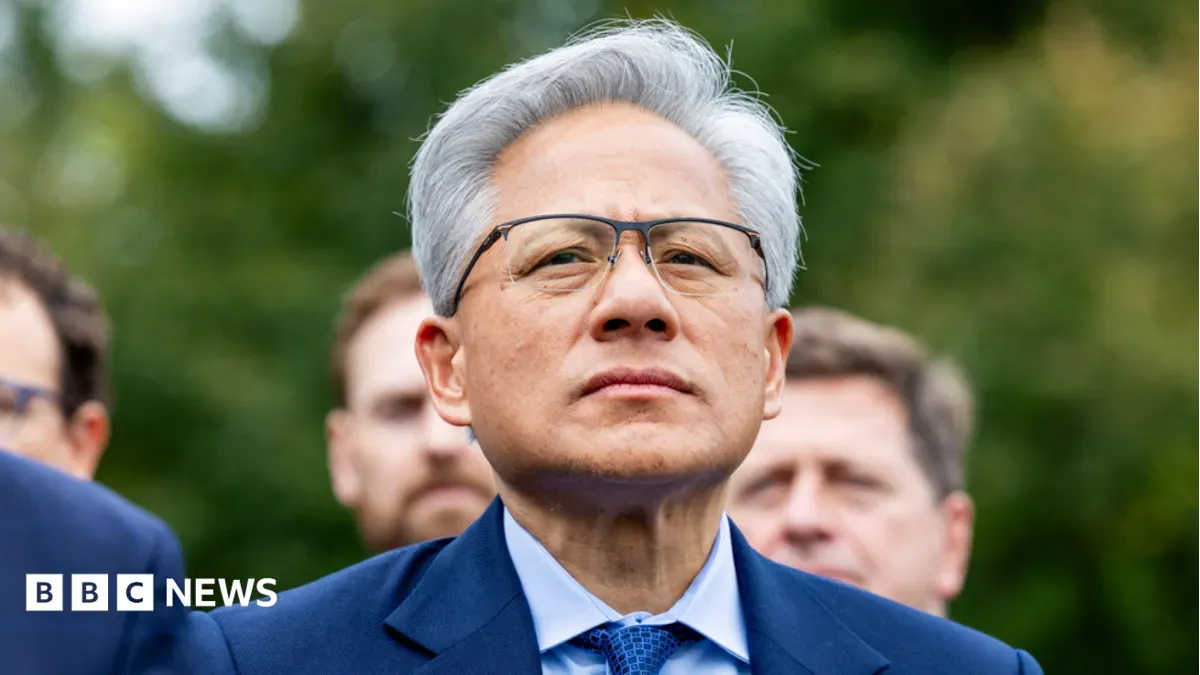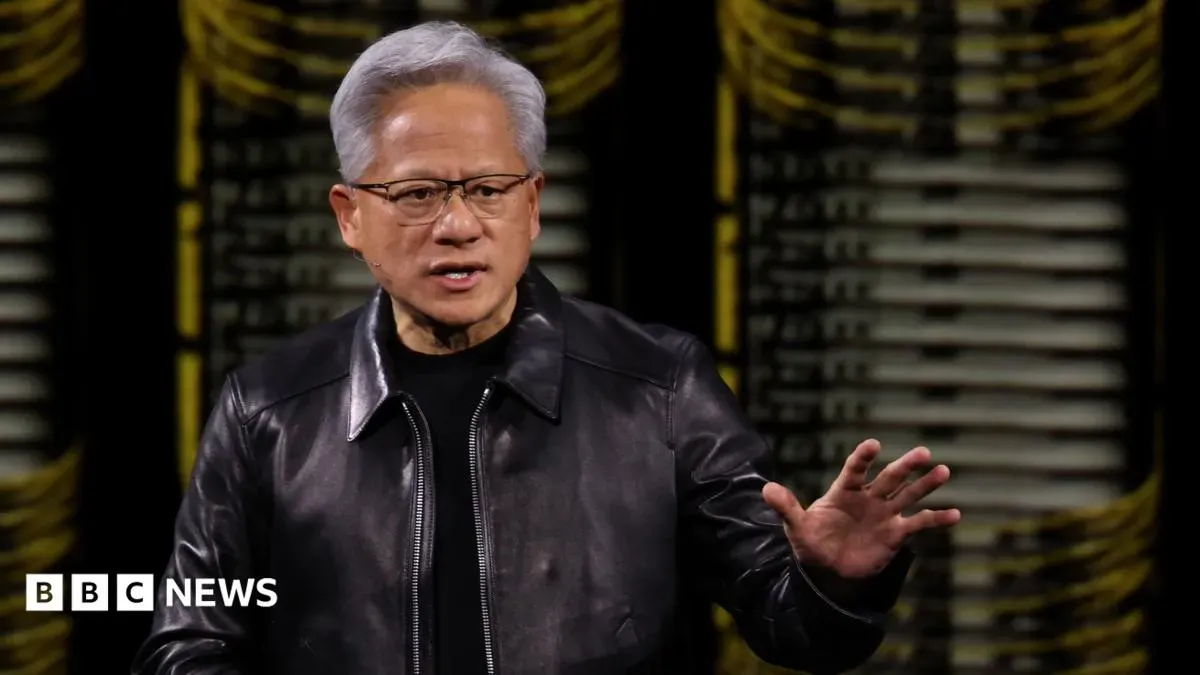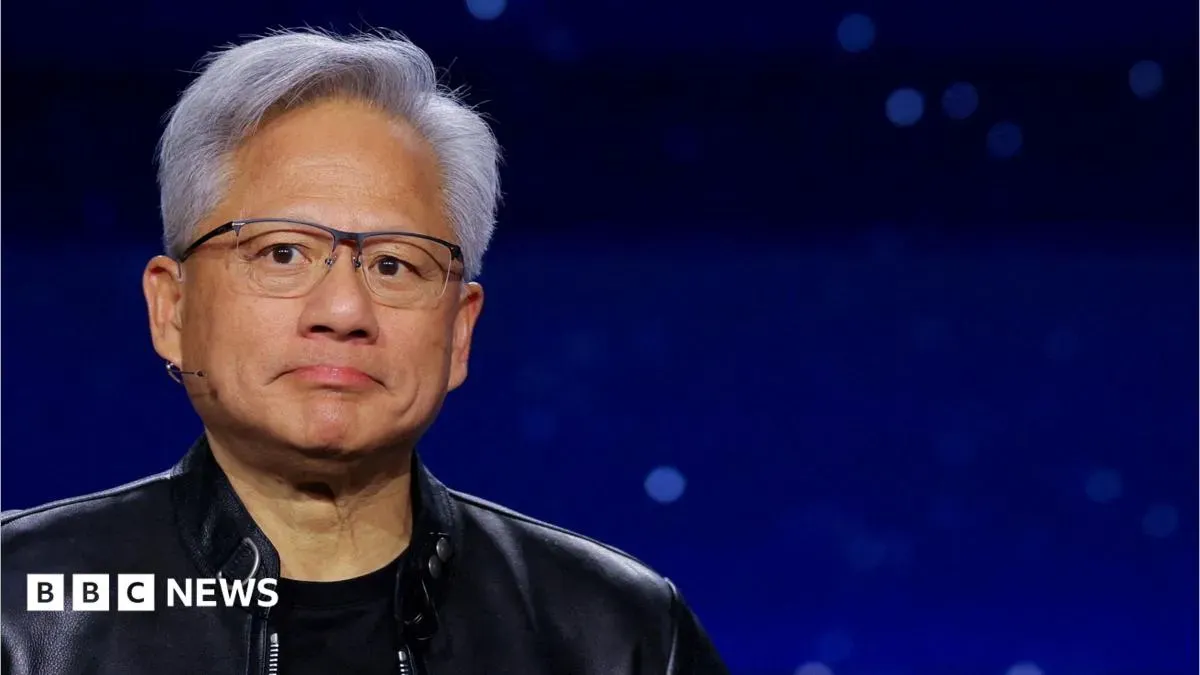





Jensen Huang Returns as CEO of Nvidia Amid Global Shockwaves
Nvidia's reinstatement as its CEO has sent shockwaves around the globe but is being hailed as a welcome return in Israel.
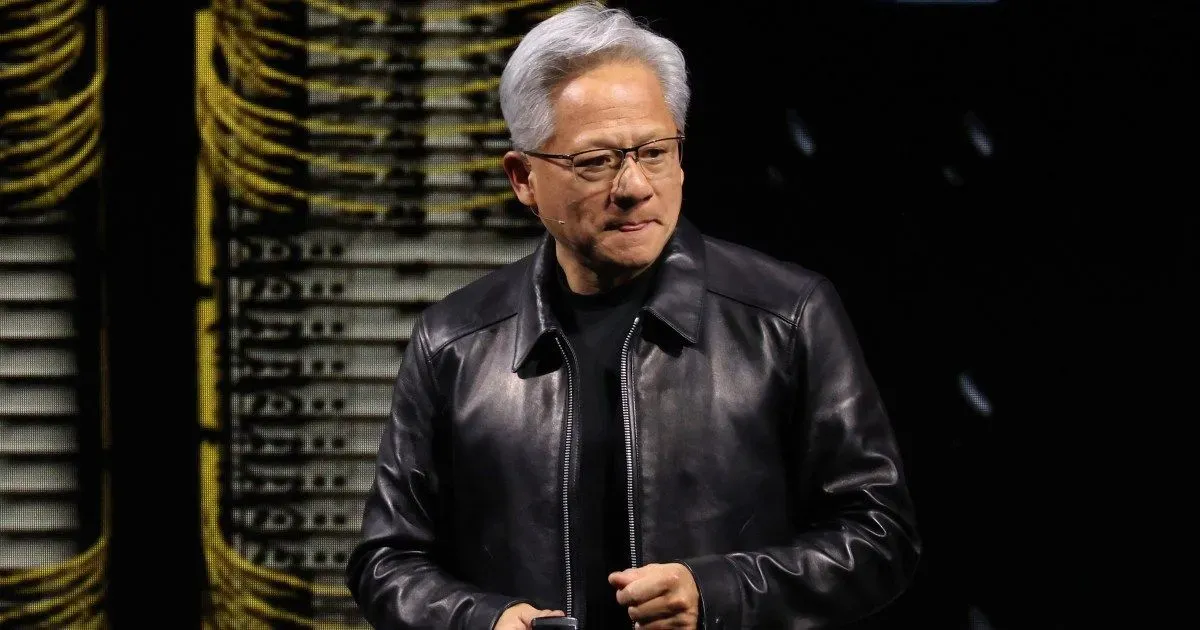
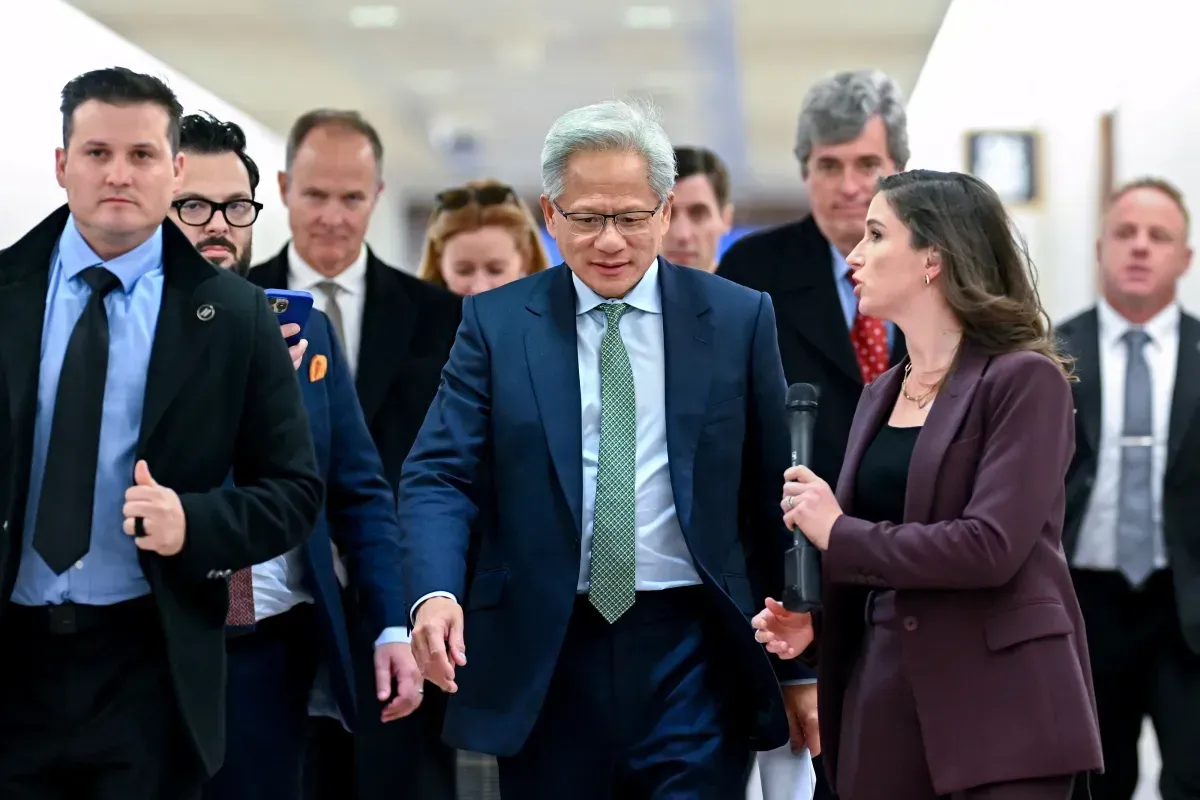
Jensen Huang's reinstatement as CEO and president of chip giant Nvidia has sent shockwaves around the globe, but in Israel, it's being hailed as a welcome return to form for the company that considers Tel Aviv its "second home.
Israeli caretaker Prime Minister Benjamin Netanyahu was among those celebrating Huang's comeback, citing the significant value created by Nvidia's partnership with Israel's tech sector. This partnership has been instrumental in driving innovation and growth in the country's economy.
Netanyahu took to social media platform X to express his enthusiasm for Huang's reinstatement, stating that it is good news" for both the partnership and the global AI industry. His comments underscore the importance of Nvidia's presence in Israel, which hosts the company's largest overseas operations.
The tech sector in Israel has been a key beneficiary of Nvidia's investment and collaboration, with many startups and entrepreneurs reaping the rewards of working with the US-based chip giant. The company's share price surge on Monday, following Huang's return, was also seen as a vote of confidence in its leadership and future prospects.
Huang's extramarital affairs had raised questions about his suitability to lead Nvidia, but his reinstatement has put those concerns to rest, at least for now. As the global technology landscape continues to evolve, Nvidia's presence in Israel will remain a key factor in shaping the country's innovation economy.
Israel's economy has become increasingly reliant on Nvidia, a California-based semiconductor company that dominates the global market for graphics processing units used in AI data centres.
With a nearly 90% share of the global market, Nvidia's GPUs are the backbone of the modern artificial intelligence revolution. The company's presence in Israel is particularly significant, with its operations there being its largest research and development hub outside the US.
Nvidia has been expanding rapidly in Israel, doubling its workforce to 6,000 employees over the past three years across seven research and development centres in various locations. Plans are also underway to build a major campus in Kiryat Tivon near Haifa, which will accommodate up to 10,000 employees once completed.
The Bank of Israel estimates that Nvidia's contributions to the country's economy will be substantial, adding 2.2 percentage points to Israel's GDP growth rate in 2026, bringing it to a projected 5.6%. Without Nvidia, the country's economic growth would be significantly lower, at 3.4% or 40% less.
Nvidia's tax contributions to the Israeli government are also expected to be substantial, with estimates suggesting that the company will account for nearly 3% of Israel's total state tax revenues in 2026. The company paid around $1.29bn in taxes during its financial year that ended in January, according to its annual report.
Investors on the Tel Aviv Stock Exchange initially reacted nervously to Jensen Huang's resignation as CEO of Nvidia on November 12. The benchmark indices had slipped after the announcement, but by day's end they had regained ground. The TA-35 index finished slightly higher, while the broader TA-125 gained a small percentage point.
The BlueTech Global Index, which tracks technology companies, took a minor hit following Huang's resignation. However, officials at Israel's Ministry of Finance were more concerned about potential economic fallout from Nvidia's turmoil. They had been closely watching the situation and its implications for the country's economy.
Israeli President Isaac Herzog reached out to congratulate Jensen Huang on his return as CEO of Nvidia. In a statement, Herzog noted Huang's continued support for Israel and his commitment to strengthening ties between Nvidia and the country. The president's message was well-received by Huang, who expressed gratitude and intention to make the most of his second chance.
Huang's decision to stay on at Nvidia has been welcomed in Israel, where the company is a significant player in the economy. Nvidia's success can be attributed in part to its acquisition of Mellanox, an Israeli company that supplies computer networking products, for nearly $7bn in 2020. That deal was a key factor in the company's growth.
Israel is providing essential support to Nvidia during challenging times, and the company is reciprocating with strong numbers. The relationship between Nvidia and Israel runs deep, with both parties benefiting from their partnership.
Israel's tech industry is thriving due in part to its collaboration with Nvidia, which has enabled the development of powerful data centers that process AI workloads at incredible speeds.
The partnership between Nvidia and Mellanox has been instrumental in creating a robust networking infrastructure that allows multiple GPUs to communicate efficiently, forming the backbone of large-scale data centers. This innovative technology has generated substantial revenue for Nvidia, with its networking business accounting for nearly one-fifth of its total quarterly earnings.
In the third quarter of 2026, Nvidia's networking segment brought in over $21 billion in revenues, a significant contribution to the company's overall financial performance. The success of this partnership has been evident in Nvidia's annual reports, which highlight the importance of Mellanox's technology in driving the company's growth.
At the Consumer Electronics Show in Las Vegas earlier this year, Jensen Huang, Nvidia's CEO, acknowledged Israel's crucial role in developing several key components for its products. Huang praised the employees in Israel who have made significant contributions to the development of innovative chips and networking technologies.
Huang noted that four out of six essential chips developed by Nvidia came from Israel, a testament to the country's expertise in cutting-edge technology. His comments were met with enthusiasm, and he hinted at the possibility that all future chip developments could originate from Israel.
Israel's military has been using advanced artificial intelligence systems in the recent conflict, including The Gospel, Lavender and Where's Daddy? These AI systems have enabled the military to track and target Palestinians at an unprecedented scale.
Nvidia products, such as Jetson cards and DGX, designed for AI applications, are likely being used by Israel's military, according to a report. However, since only unclassified contracts are recorded in public databases, this figure may only represent a fraction of the actual usage of Nvidia products and services. The extent of their involvement remains unclear.
The integration of Nvidia's Jetson TX2 AI processor into Elbit Systems' Lanius drones has also been reported, with these drones being used by Israel to target Palestinian civilians in Gaza.
Facts based on reporting originally published by Al Jazeera.
You may republish this story, in full or in part, if you credit Noti Group and link to it (licence CC BY 4.0). Photos are not included.