






Streaming services shift focus to vertical content to compete with social media platforms
Disney Plus, HBO Max, and Vurt are experimenting with new formats to capture mobile viewers' attention.
Major streaming services such as Disney Plus and HBO Max are shifting their focus to vertical content in an effort to compete with video-focused social media platforms like TikTok and Instagram.
This move is seen as a response to the growing threat posed by these platforms, which have become increasingly popular among younger audiences. The proliferation of short-form videos has led streaming services to experiment with new formats that can capture viewers' attention on mobile devices.
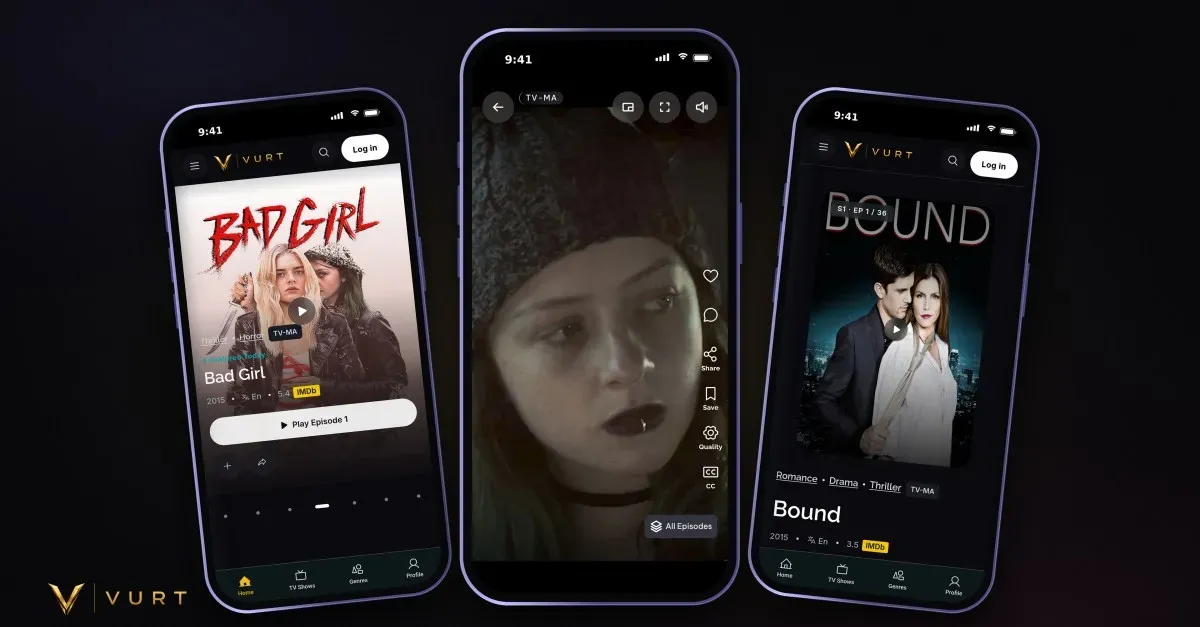
However, a new startup called Vurt is taking a different approach. Rather than focusing solely on mobile viewing experiences, the company is now targeting smart TVs with its dedicated apps for Apple TV and Android TV.
Vurt's user base has grown significantly since launching in March, expanding from 10,000 to 675,000 users who can access over 3,500 episodes across more than 100 different shows.
Vurt's development team is taking user feedback seriously, driving their push into dedicated TV apps. The decision was prompted by users' desire to watch vertical videos on larger screens from their phones. This led Vurt to develop a feature allowing casting to smart TVs.
The company signs licensing agreements with production studios and creators, offering them a 50/50 revenue split. This deal benefits both parties and allows Vurt to build its library of content. Independent creators can also submit their projects directly for distribution on the platform.
Once approved, new content is available to stream within just a few days. This streamlined process highlights Vurt's focus on being fair to its users and creators alike. The company prioritizes user experience, taking cues from feedback to inform its development strategy.
Vurt's reliance on ad partnerships means that viewers can watch all content for free without dealing with microtransactions. This "free-to-finish model is a key part of the platform's corporate philosophy, aiming to be fair to both users and creators.
Vurt's expansion into television is not just about adapting to changing viewer habits but also about staying true to its core philosophy of creating engaging content that doesn't require expensive production equipment or large budgets for talent and crew.
The company's free-to-finish" model has been a key part of this approach, allowing creators to produce high-quality vertical videos without the financial burden of traditional filmmaking. This model is designed to be fair to both users and creators, giving viewers access to quality content while also providing opportunities for emerging talent to shine.
As Vurt prepares to launch its TV apps, it's clear that the company is not trying to compete directly with established platforms like Instagram or YouTube. Instead, it's focused on carving out a niche for itself in the market by emphasizing vertical content and innovative storytelling techniques.
Consultations with content creators have revealed that many prefer watching films and TV shows on big screens due to the immersive experience they provide. However, Vurt argues that vertical microdramas can be just as engaging whether watched on a phone or television screen, offering a unique kind of immersion through their non-traditional storytelling approach.
According to Sorey, creators believe that vertical content can offer a distinct type of immersive experience even when viewed on a wide-screen television. This is due in part to the way vertical videos tell stories, often using unconventional narrative structures and visual styles that are optimized for mobile viewing but still effective on larger screens.
Vurt's content has been criticized for its formulaic plots and short episode lengths, but these elements seem to contribute to its engaging nature.
The company has reported an increase in overall engagement time among viewers using their TV apps, suggesting that users are drawn to the convenience of watching vertical videos without having to pick up their phones.
This trend is notable, especially when considering how other platforms are experimenting with turning all content into endless feeds of vertical videos.
Facts based on reporting originally published by The Verge.
You may republish this story, in full or in part, if you credit Noti Group and link to it (licence CC BY 4.0). Photos are not included.