



Smart devices targeted by suspected cyber-attack in Europe
A suspected cyber-attack has affected supermarkets across Europe, targeting their refrigeration units and sparking concerns about the vulnerabilities of internet-connected hardware.
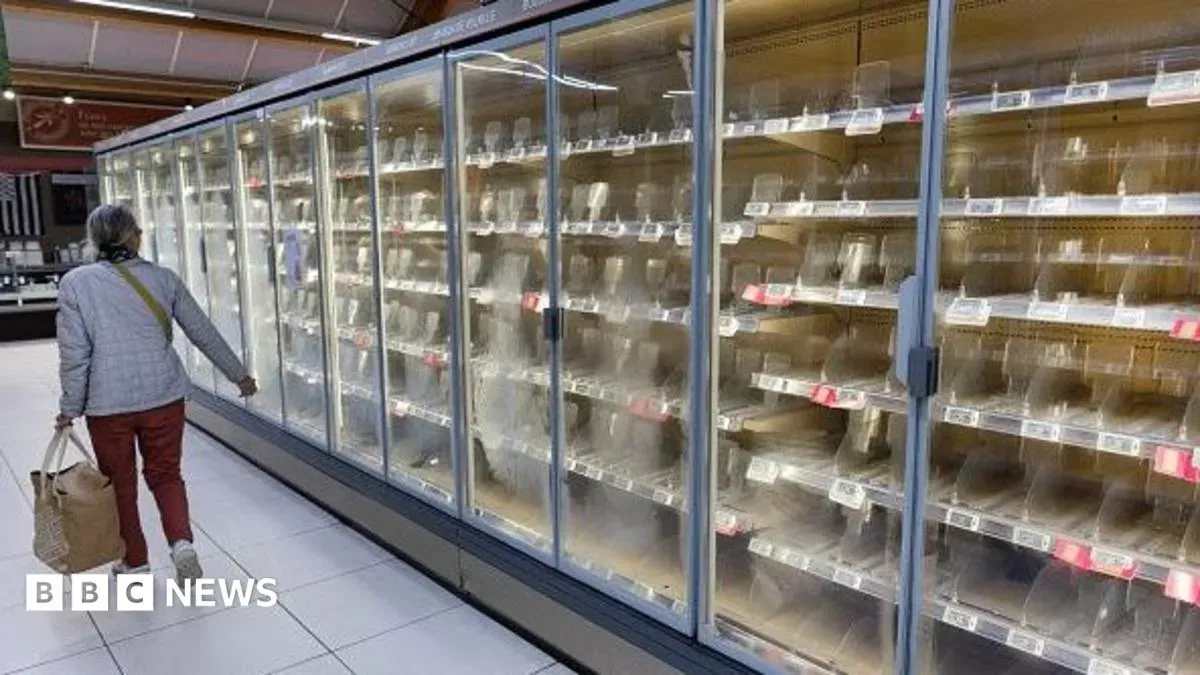
Supermarkets across Europe have been targeted by a suspected cyber-attack affecting their refrigeration units, sparking concerns about the vulnerabilities of internet-connected hardware.
The affected smart devices include fridges and freezers, as well as other household appliances such as central heating systems and washing machines that are connected to the internet. These devices can be controlled remotely, making them potentially accessible to malicious actors. However, manufacturers typically take steps to ensure their products' security.
Researchers have previously demonstrated vulnerabilities in certain smart devices, including a Samsung smart fridge in 2015. They were able to intercept internet traffic by exploiting a weakness in the device's system. This highlights the potential risks associated with connecting everyday appliances to the internet.
Ciaran Martin, former head of the UK's National Cyber Security Centre (NCSC), has called for manufacturers to do more to secure their products. "There's a lot more that we need to demand of big tech to give us safer devices and products in the first place," he said.
To protect themselves from potential hacking risks, consumers should keep their devices up-to-date and enable multi-factor authentication whenever possible.
This simple yet crucial step can make a significant difference in preventing cyber attacks, according to experts who stress that it only takes a few seconds to implement these measures.
In the UK, manufacturers of certain consumer smart devices have been required since April 2024 to meet minimum cyber security standards, including guidelines for passwords and security updates.
This move aims to ensure that devices are designed with robust security features from the outset, rather than relying on users to patch up vulnerabilities after they occur.
The recent hack of supermarket freezers has raised concerns about the vulnerability of everyday technology. This is not an isolated incident, as seen in the 2025 ransomware attack on UK supermarkets M&S and the Co-op. The hackers' success led to stock shortages, with customers complaining of empty shelves due to delayed fresh deliveries.
Tom Hegel, a researcher at cyber-security firm SentinelOne, emphasizes that retailers must take responsibility for securing their equipment. He questions who is responsible for ensuring the security of connected devices, not just those who repair them. This issue is critical as internet connectivity can make technology more convenient but also increases its vulnerability to attacks.
The consequences of hacking connected devices can be severe. Hegel notes that once an attacker gains control, even legitimate functions like defrosting can become tools for disruption. Moreover, changing a setting on these devices can lead to physical damage or destruction of stock, not just disrupting computer systems.
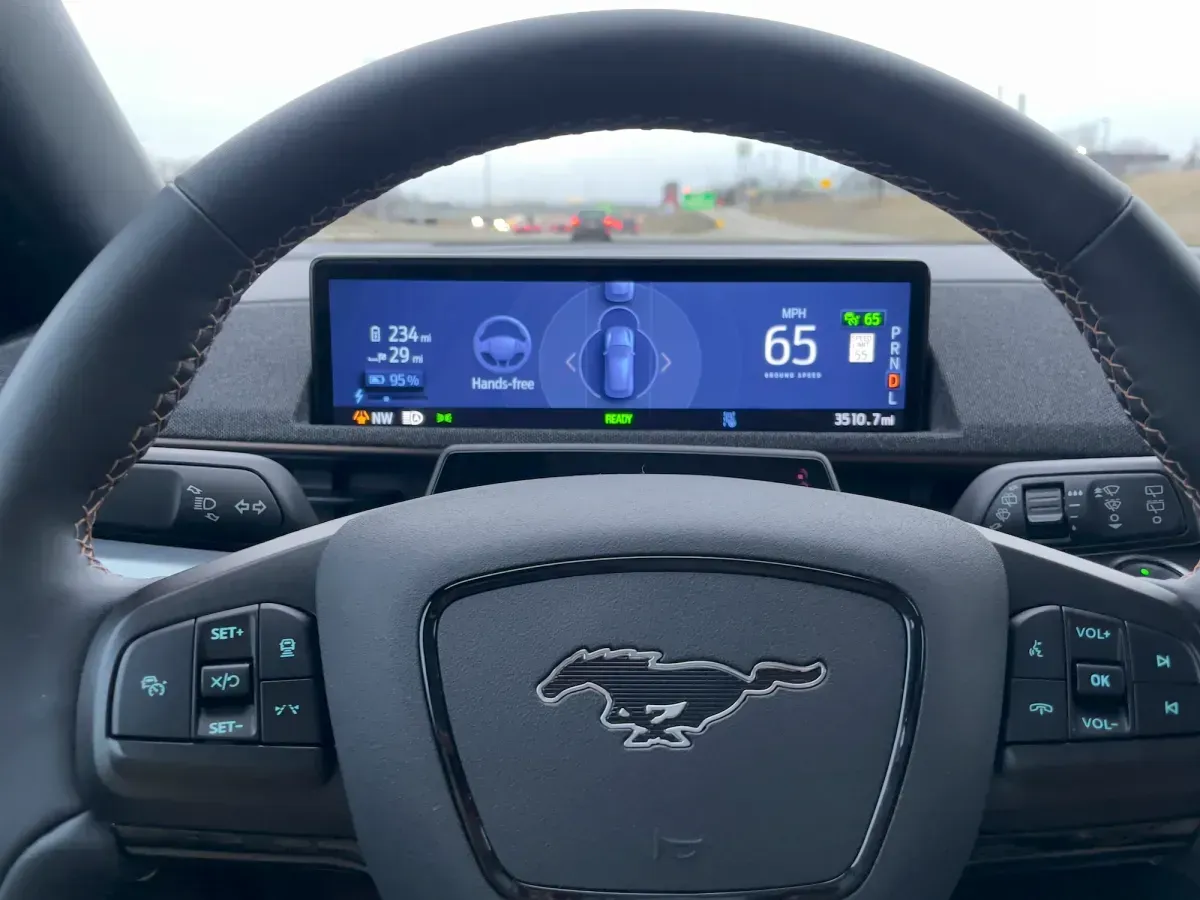
Cyber security expert Ken Munro points out that the risks are not limited to consumer devices. He references a 2015 demonstration where researchers remotely hacked into a Jeep through its internet-connected entertainment system. This incident prompted improvements in vehicle security, highlighting the need for robust protection measures in all connected technology.
The incident highlighted the need for robust protection measures in connected technology, prompting improvements in vehicle security.
Mobile connections are widely used to monitor equipment in power plants and water networks, enabling remote management of systems by engineers.
Smaller utility companies, often with limited resources, may still be using older equipment that is vulnerable to cyber threats, posing a significant risk to global infrastructure.
Facts based on reporting originally published by BBC News Technology.
You may republish this story, in full or in part, if you credit Noti Group and link to it (licence CC BY 4.0). Photos are not included.