



Niobia Develops AI Software for Defect Detection in Battery and Chip Production
A San Francisco-based startup has created an AI-powered software that streamlines defect detection in battery and chip production, enabling engineers to quickly identify issues and get back on track.
San Francisco-based startup Niobia is tackling one of the most critical yet often overlooked aspects of battery and chip production: identifying defects before they cause costly delays. The company's AI software streamlines defect detection, enabling engineers to quickly pinpoint issues and get back on track.
Niobia's technology involves placing AI agents directly on manufacturing equipment to scan for defects in real-time. These agents, powered by self-contained GPUs, can identify even tiny flaws such as scratches that might otherwise go unnoticed. The collected data is then centralized, allowing engineers to ask a chatbot about the cause of any issues and dive deeper into the problem.
The stakes are high because chips and batteries are among the world's most crucial products, facing growing shortages in an increasingly complex supply chain. As manufacturers strive to innovate and improve their technologies, mistakes inevitably occur during research and development, resulting in costly delays and lost productivity.
Manufacturers spend a significant amount of time, sometimes days or even longer, trying to identify and fix issues before production can resume. Each defect or mistake can be extremely expensive, running into the millions of dollars, and significantly impact manufacturing timelines, underscoring the need for efficient and effective defect detection solutions like Niobia's AI software.
Niobia's co-founders have a deep understanding of the challenges within the industry due to their background in chemistry and experience working at chipmakers and battery manufacturers.
Their expertise is evident in the specialized solutions Niobia offers, which cater to a multibillion-dollar market that includes some of the biggest players in the battery and semiconductor industries.
The company's work may be niche, but it has far-reaching implications. According to Gaurav Jha, "it's like behind the scenes, this is powering everything... we just don't see it in the regular world."
Niobia's technology touches various aspects of modern life, including everyday items such as glasses, shoes, slippers, wallets, and headphones.
The company's AI agents rely on open-source models that are further trained with data from battery and chip research. This approach allows Niobia to identify defects as small as pinholes.
By using open-source models, Niobia avoids having its customers' sensitive information stored in a public cloud where it could be used for training the model.
Niobia is currently focusing its efforts on three specific areas: film coating, electroplating, and fluidized bed reaction. These specialties will allow the company to refine its technology and improve accuracy in high-stakes applications.
The ultimate goal for Niobia's technology is to be fully autonomous, enabling it to operate independently without human intervention. This would involve building a self-driving factory that can manage complex processes with minimal human oversight.
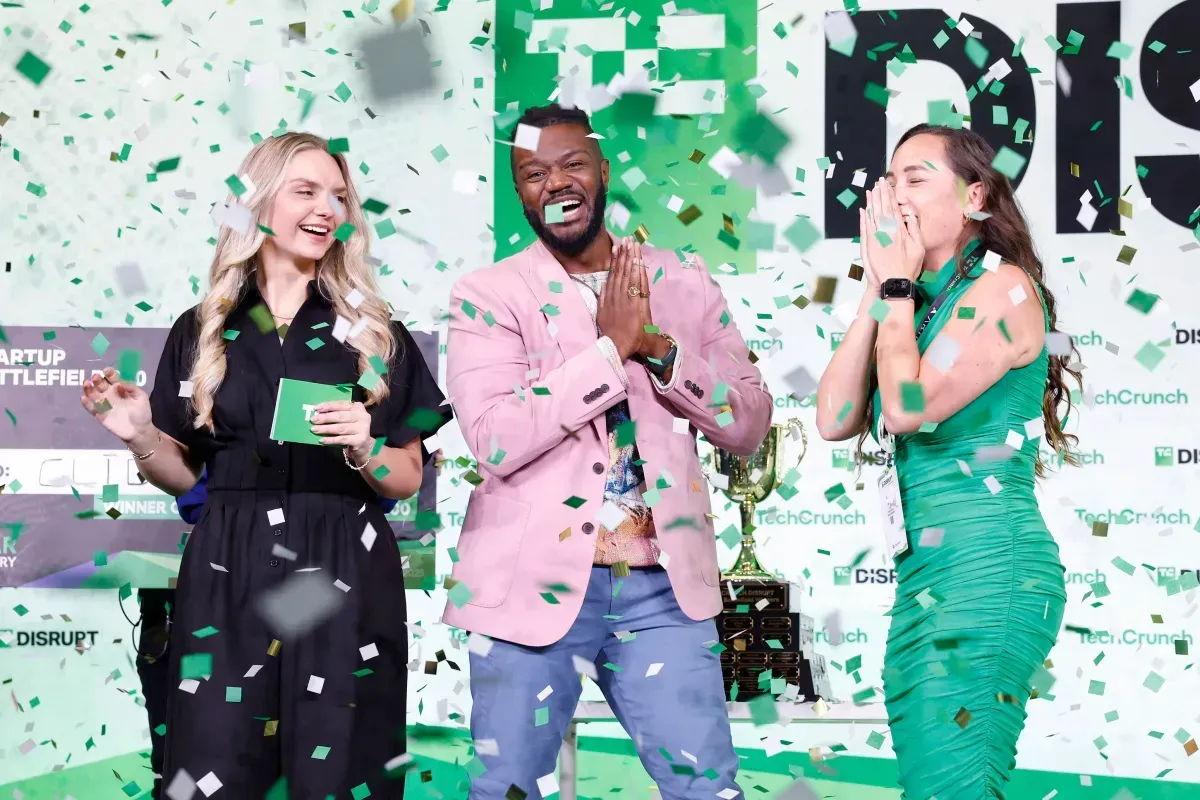
To showcase its progress and compete against other innovative startups, Niobia will present at TechCrunch Disrupt in San Francisco today. The event features a Startup Battlefield competition where 19 companies are vying for recognition and investment.
Niobia's participation in the Startup Battlefield is part of the larger TechCrunch Disrupt conference taking place from October 13 to 15. Attendees can explore the startup ecosystem, network with industry leaders, and discover emerging trends in technology.
The ongoing saga of Starlink's delayed launch in India has taken an interesting turn, with Elon Musk directly calling out Reliance Jio's billionaire owner Mukesh Ambani for his alleged influence on the project's progress.
In a related development, the cost of batteries has dropped significantly, making them cheaper than natural gas turbines used in many data centers. Meanwhile, Google has entered the local-first search engine market with its new Granola competitor, while Microsoft and other major IT firms have been barred from participating in the US green card program for skilled foreign workers due to concerns over their hiring practices.
Facts based on reporting originally published by TechCrunch.
You may republish this story, in full or in part, if you credit Noti Group and link to it (licence CC BY 4.0). Photos are not included.