





Grand Theft Auto VI Release Scheduled for November
The gaming industry is set for a major shake-up as Grand Theft Auto VI and Nintendo's upcoming release of The Legend of Zelda: Ocarina of Time remake are scheduled to hit shelves just weeks apart in November.
The gaming industry is set for a major shake-up as two of its biggest releases are scheduled to hit shelves just weeks apart in November. At the forefront is Grand Theft Auto VI, a highly anticipated game that has been 13 years in the making.
Developed by Rockstar, the studio behind the successful GTA series, the new installment promises to be even more ambitious than its predecessors. The company's previous titles, including GTA V and Red Dead Redemption 2, have pushed the boundaries of open-world gaming with their realistic gameplay and immersive worlds.
The demand for GTA VI is expected to be unprecedented, with analyst firm Circana estimating that nearly a third of gamers in the US intend to buy the game. This high level of interest could potentially boost flagging console sales, which have been experiencing a decline in recent years.
The massive following of the GTA series is not surprising given its success since its launch in 2013. Its predecessor, GTA V, has sold over 230 million copies worldwide and was re-released across multiple generations of consoles.
The gaming landscape is shifting rapidly as major titles like GTA VI dominate the market, forcing other games to launch early or risk being overshadowed by their more prominent counterparts.
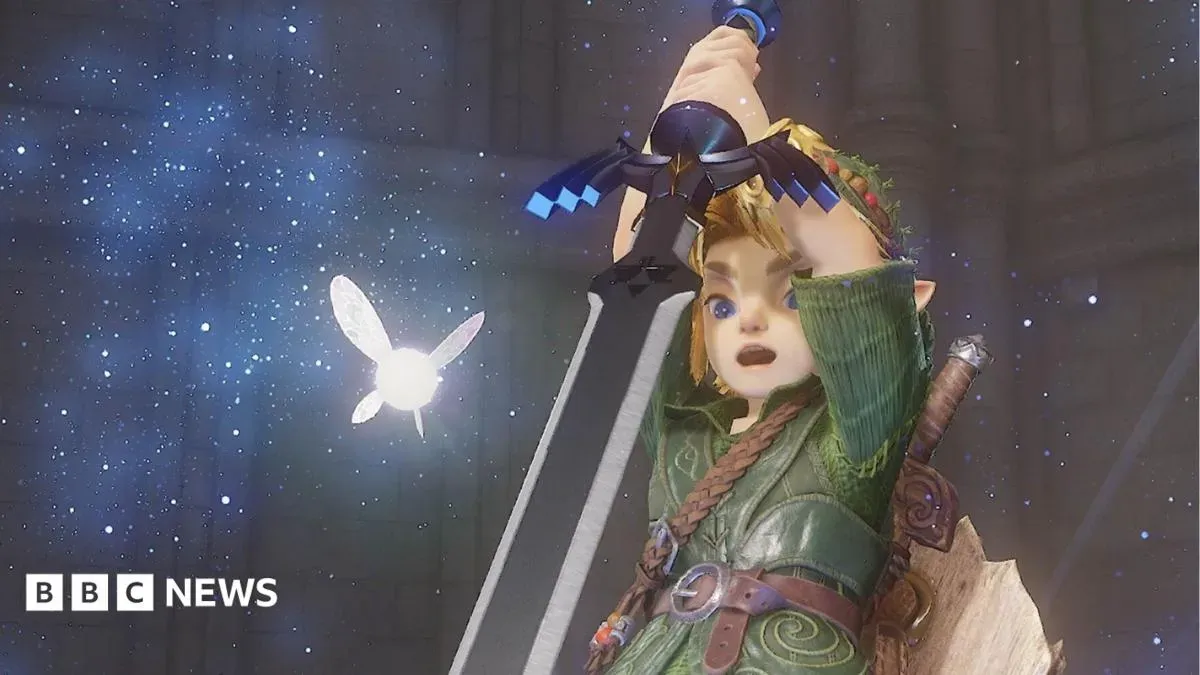
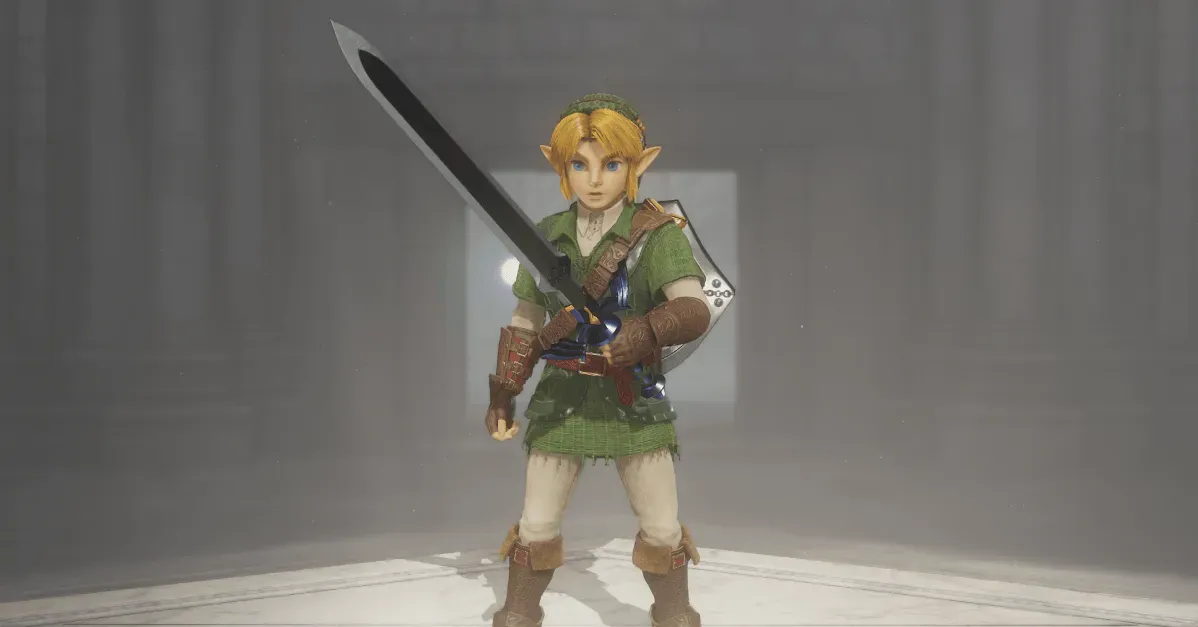
However, one notable exception stands out: Nintendo's upcoming release of The Legend of Zelda: Ocarina of Time remake for the Switch 2. This lavish remake marks a significant attempt from the company to modernize one of its most iconic and influential games.
The original Ocarina of Time was a groundbreaking title that introduced the world to 3D gameplay, setting a new standard for the industry with its innovative use of three-dimensional spaces. Its impact can still be felt today in many modern games, including Nintendo's own Switch-era adventures like Breath of the Wild and Tears of the Kingdom.
These latter titles have become some of the best-selling games on the Switch, and their success has cemented the console's status as one of Nintendo's most successful platforms to date. The release of Ocarina of Time's remake comes at a strategic time for the company, with its coinciding with an impending live-action Zelda movie in 2027 that could further boost the franchise's profile.
The potential impact of this movie on the franchise cannot be overstated, and Nintendo is likely hoping to capitalize on the renewed interest in the series. With GTA VI looming large over the gaming landscape, it will be interesting to see how Ocarina of Time's remake performs against its more high-profile competitors.
The gaming industry is currently facing unprecedented challenges, with many major players struggling to stay afloat amidst rising costs, layoffs, and unpopular business models. Amidst this backdrop, Nintendo's bold approach to competition stands out - unafraid to take on the likes of Grand Theft Auto (GTA) with its own flagship titles.
The upcoming Zelda and GTA releases are not just high-profile games, but cultural events that have the potential to capture the nation's attention. These launches often make headlines in mainstream media outlets, such as Saturday Night Live, and even influence sports personalities like NBA players. Their impact is undeniable, making them outliers in a year marked by widespread industry woes.
The contrast between these two major releases and the rest of the gaming landscape is stark. While there have been notable titles released this year, the overall tone has been one of decline and uncertainty. Major players are facing significant challenges, including layoffs, studio closures, and the threat of artificial intelligence disruption.
Xbox's "reset plan has involved mass layoffs, studio shutdowns, and restructuring efforts to cut costs. Meanwhile, Epic Games has slashed over 1,000 jobs in response to declining revenue from live-service games, while shifting focus towards AI-driven development. Sony is also struggling, with job cuts at Bungie and plummeting console sales amidst rising hardware costs.
Major publishers like EA and Ubisoft are facing their own crises, with upheaval and restructuring efforts underway. The industry's woes have created a sense of unease, leaving many to wonder what the future holds for gaming as we know it.
The video game industry continues to grapple with a series of setbacks that have left many wondering about its future prospects. Last week's closure of BioWare by EA and cancellation of the next Mass Effect game marked another significant blow to the sector.
Meanwhile, Sony studio Sucker Punch has also taken drastic measures, cutting staff despite the success of last year's Ghost of Yōtei. This trend of downsizing and cancellations has become a disturbing norm in the industry, with each new development raising concerns about its resilience.
The emergence of AI-powered tools is another factor contributing to the industry's turmoil. These innovative technologies have disrupted traditional business models by enabling games to be easily ported across various platforms, further blurring the lines between players and creators.
Xbox CEO Asha Sharma has acknowledged these changes in a recent memo, describing them as unmistakably good outcomes for players" that challenge existing business models. However, the implications of this shift remain unclear and its impact on the industry's future is uncertain.
Despite these challenges, some studios have managed to adapt and thrive in this new landscape. FromSoftware and Remedy are notable examples of companies that have found ways to sustain themselves despite the turbulent market conditions.
The recent releases of Nintendo's Zelda and Rockstar's GTA have sparked a mix of excitement and nostalgia among gamers. These games are often cited as examples of success in an industry facing turbulent market conditions. However, they represent two very distinct cases that may not be replicable by other companies.
Nintendo's ability to maintain control over its platform, from hardware to games, has been crucial to its success. The company's cautious approach has allowed it to weather the current storm and build a growing entertainment empire. This is in contrast to many other game developers who are struggling to adapt to changing market conditions.
Rockstar's experience with GTA V is also unique. The game's massive sales over 13 consecutive years created an unprecedented amount of anticipation for its follow-up, allowing the studio to build a game that could match its predecessor's impact. This is not a model that can be easily replicated by other companies, given the risks and uncertainties involved.
The duelling releases of Zelda and GTA are notable because they represent a moment when major games were sure bets. However, this may be an anomaly in the current market, with many factors contributing to uncertainty and upheaval. The industry is likely to undergo significant changes in the coming years, making it unlikely that we will see another moment like this again.
The success of these two games has been largely driven by their respective franchises' established fan bases. Nintendo's Zelda series has a loyal following, while GTA's massive sales have created a dedicated fan base for Rockstar's franchise. This suggests that the key to success in the current market may lie in leveraging existing brand recognition rather than trying to create new and innovative experiences.
The long wait for GTA VI may be coming to an end, as it appears unlikely to suffer a lengthy development cycle like its predecessors. This is a welcome change from the norm, where high-profile games have spent years in development before finally hitting shelves.
In contrast to the slow pace of GTA VI's development, Moomin: Midsummer Madness was released without hesitation in November, showing that some developers are willing to adapt to changing market conditions. The evolution of the Zelda series over the past two decades is also noteworthy, with Ocarina of Time being a prime example of how gaming has changed since its release.
Facts based on reporting originally published by The Verge.
You may republish this story, in full or in part, if you credit Noti Group and link to it (licence CC BY 4.0). Photos are not included.