





The Legend of Zelda: Ocarina of Time Remake Announced for Switch 2 Console
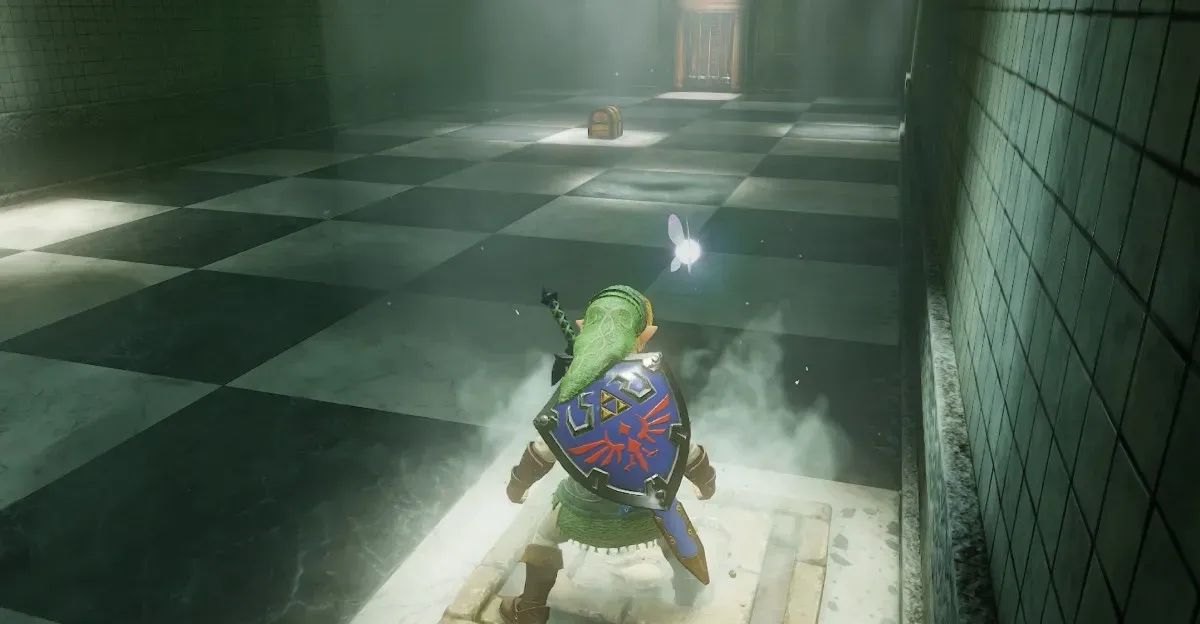
A remake of The Legend of Zelda: Ocarina of Time has been announced for the Nintendo Switch 2 console, sparking nostalgia in gamers who played the original.
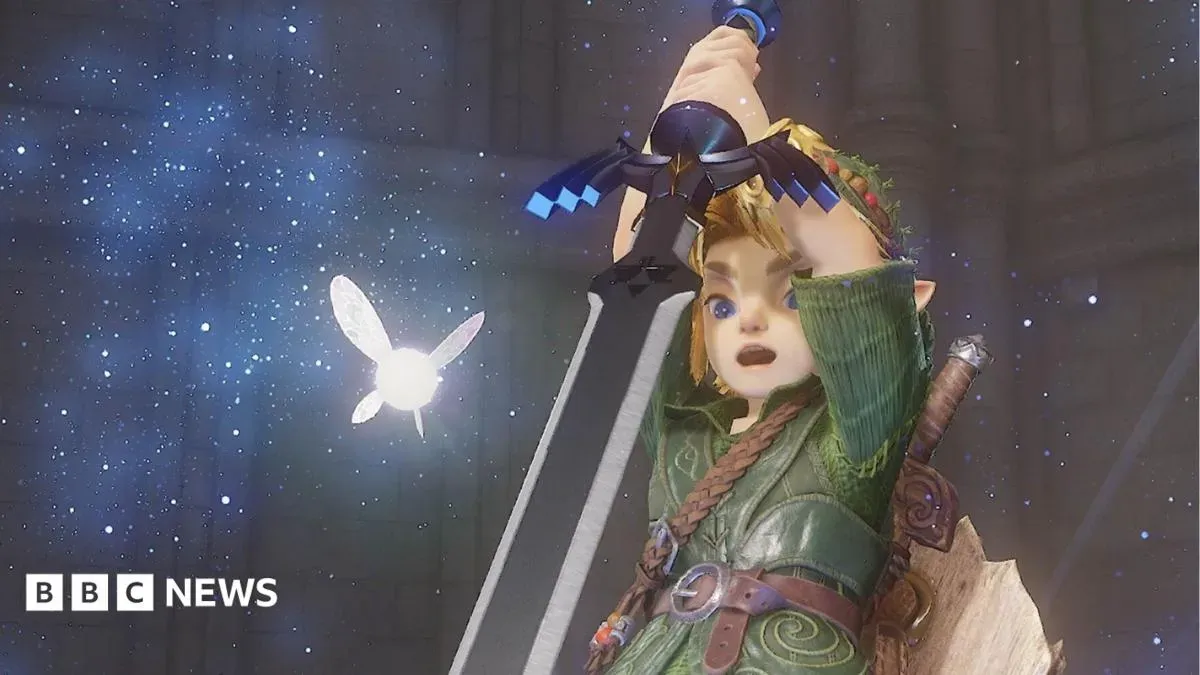
The nostalgia factor is a potent draw for many gamers, as evidenced by the enthusiastic reaction to The Legend of Zelda: Ocarina of Time's upcoming remake on the Switch 2 console. For Kacey Doran, watching footage from the revamped game was like unlocking a floodgate of memories from her childhood.
Doran had spent countless hours playing through the original Nintendo 64 version with her younger sister nearly three decades ago. The pair would navigate the game's intricate dungeons and puzzles together, enthralled by its fantasy storyline and beautiful soundtrack. It was actually the first game Doran ever completed, a feat that holds a special place in her gaming history.
The remake has stirred up a mix of emotions for Doran, who is now an esports course instructor at Rowan University in New Jersey. As she watches clips from the revamped version, she hopes to recapture some of the "magical" quality that made the original so beloved and share it with her sister's children.
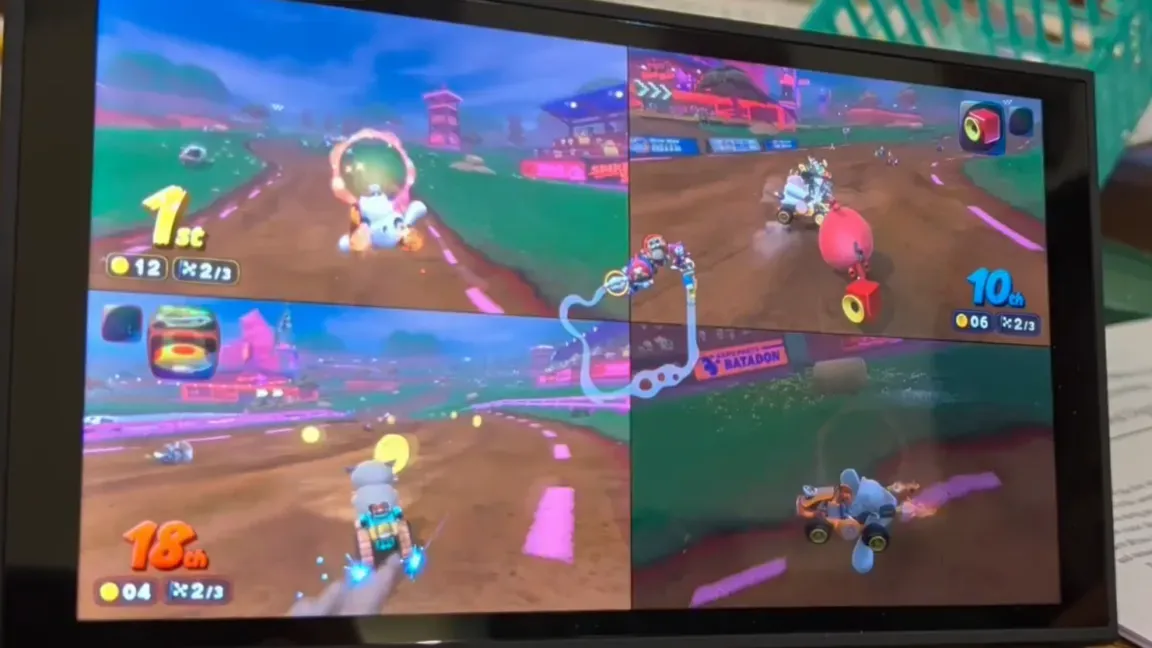
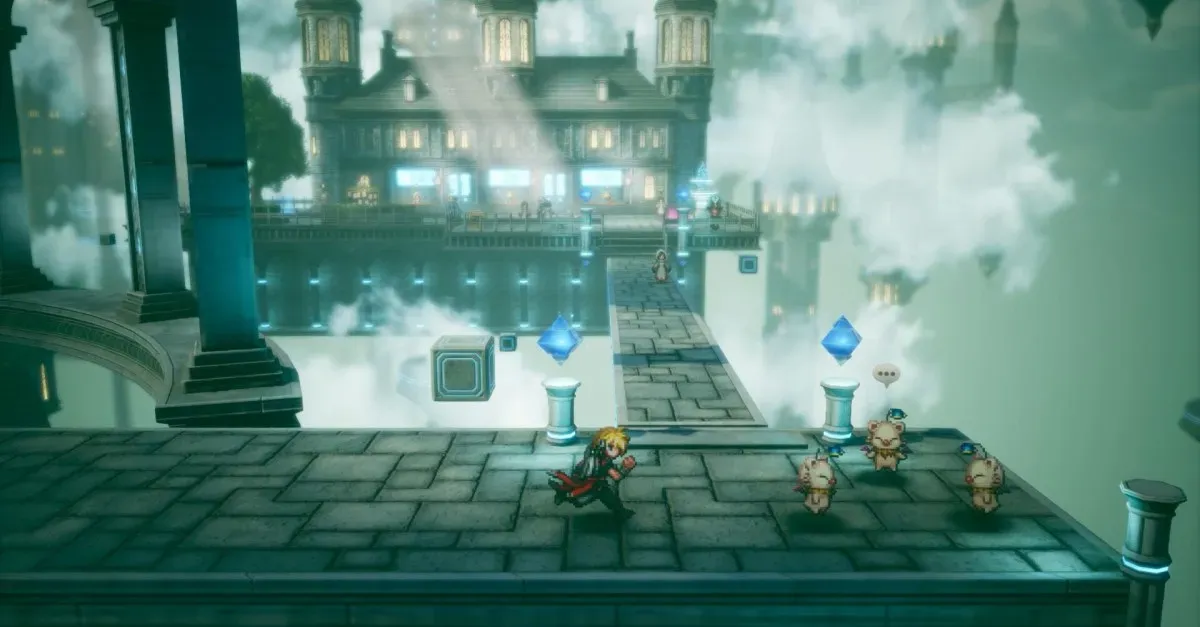
The video games industry has long relied on remakes as a way to rekindle interest in classic titles and introduce them to new generations of gamers. From iconic franchises like Mario Kart and Final Fantasy to retro staples such as Pac-Man, remakes have become a staple of the gaming landscape.
As computer hardware continues to advance, enabling more sophisticated graphics and expansive game worlds, it's no surprise that many beloved games are getting the remake treatment. For Doran and countless other gamers, these revamped versions offer a chance to relive cherished memories and experience the magic of classic video games all over again.
The nostalgia factor can be both a blessing and a curse for video game remakes. While they offer gamers a chance to relive cherished memories, new versions often face high expectations from fans who are fiercely protective of their favourite titles.
Tim Wulf, an expert at the Centre of Advanced Internet Studies in Bochum, Germany, notes that nostalgia is a complex emotion with both positive and negative aspects. On one hand, it brings happiness as we reminisce about important moments from our past; on the other, it can evoke sadness due to the awareness that those times are now gone.
Nostalgia is not just an individual feeling but also a social one, Wulf explains. Memories that trigger nostalgia in us are often linked to others and can boost our self-esteem while highlighting key social bonds. This emotional connection makes video games particularly effective at inducing nostalgia, as gamers can return to familiar environments and relive fond memories.
When revisiting old favourites, gamers like Doran find satisfaction in deploying previously learned skills, which provides a sense of stability and reassurance in an ever-changing world. The experience is reminiscent of the good old days, where success felt more achievable and enjoyable.
The success of video game remakes and remasters has become a key strategy for the games industry, according to Piers Harding-Rolls, head of games research at Ampere Analysis. By updating existing content rather than creating new titles from scratch, companies can tap into established audiences and build on their existing fan base.
This approach is seen as a safer option for many gaming companies, as it requires less financial investment compared to developing entirely new games. As a result, remakes like Resident Evil 4 and Assassin's Creed Black Flag have gained significant followings in recent years.
The Legend of Zelda: Ocarina of Time remake stands out due to its cult following, with the original game widely regarded as one of the greatest ever made. The nostalgia factor is particularly strong among younger gamers, who are eager to experience the classic title in a modern format.
However, simply relying on nostalgia may not be enough to satisfy today's gaming audiences. According to Harding-Rolls, Gen Z gamers have high expectations for remakes, demanding gameplay that meets contemporary standards.
The nostalgia factor can also create tension between original games and their remakes. The release of Nier Replicant ver.1.22474487139... in 2021 is a case in point, as it reimagines a game first published in 2010.
Critics have pointed out that this remake leaves fans with two nearly identical versions of the game, each vying to be considered the definitive one. This can lead to an uncomfortable situation where fans are forced to choose between the original and the remake.
Fans' reactions to remakes or remasters that fail to live up to expectations can be intense, as evidenced by the gaming community's response to various releases. Developers must navigate this complex landscape when working on a remake, striking a balance between appeasing nostalgic fans and creating something new.
NNESAGA consultancy chief executive Stephanie Ijoma notes that developers often struggle to find this balance. She cites Final Fantasy VII as an example of how a well-executed remake can bring joy to both old and new players.
Many gamers struggle to play older games due to outdated computer hardware or consoles, making remakes a practical solution for sharing nostalgic experiences.
Niklas Hallin, an indie game developer at Neckbolt, acknowledges this challenge in his own gaming history. He has attempted to play Silent Hill 2 multiple times but found it difficult to jump into due to its complexity.
However, the release of a remake made playing the game much smoother and more accessible for Hallin. The remake's compatibility with modern hardware is a significant advantage over original versions that require outdated equipment.
Indie developers often incorporate retro aesthetics in their games as they are easier to achieve compared to high-fidelity graphics. This stylistic choice appeals to gamers who respond well to nostalgic elements.
The visual difference between games released years apart has become increasingly negligible, raising questions about the purpose of remaking older titles. Will technology continue to advance at a rapid pace, rendering remakes obsolete in just a few years?
Games companies are likely to continue revisiting classic titles to connect with new audiences, even as technology advances rapidly.
Remakes may shift focus from graphical improvements to editorial adjustments, allowing for reinterpretations or versions with additional content that breathe new life into familiar stories. This approach could help games appeal to both nostalgic fans and newcomers alike. The future of remakes remains uncertain.
Facts based on reporting originally published by BBC News Technology.
You may republish this story, in full or in part, if you credit Noti Group and link to it (licence CC BY 4.0). Photos are not included.