





Fiber Supplement Shows Promise in Reducing Knee Arthritis Pain
A recent clinical trial has found that participants taking a daily fiber supplement experienced significant reductions in pain and improved muscle strength compared to those undergoing physical therapy alone.
A daily fiber supplement has shown promise in reducing knee arthritis pain and improving muscle strength in a recent clinical trial. The study, led by researchers at the University of Nottingham, involved participants with knee osteoarthritis who were given either a prebiotic fiber called inulin or assigned to digital physical therapy.
The results indicate that those taking the inulin supplement experienced significant reductions in pain, improved grip strength, and decreased sensitivity to pain. This was particularly striking compared to those undergoing physical therapy alone, where nearly one-fifth of participants dropped out due to difficulty sticking with the program.
In contrast, only a small fraction of those assigned to inulin supplementation - just 3.6% - failed to complete the study. The findings suggest that improving gut health through dietary changes could offer an additional strategy for managing arthritis.
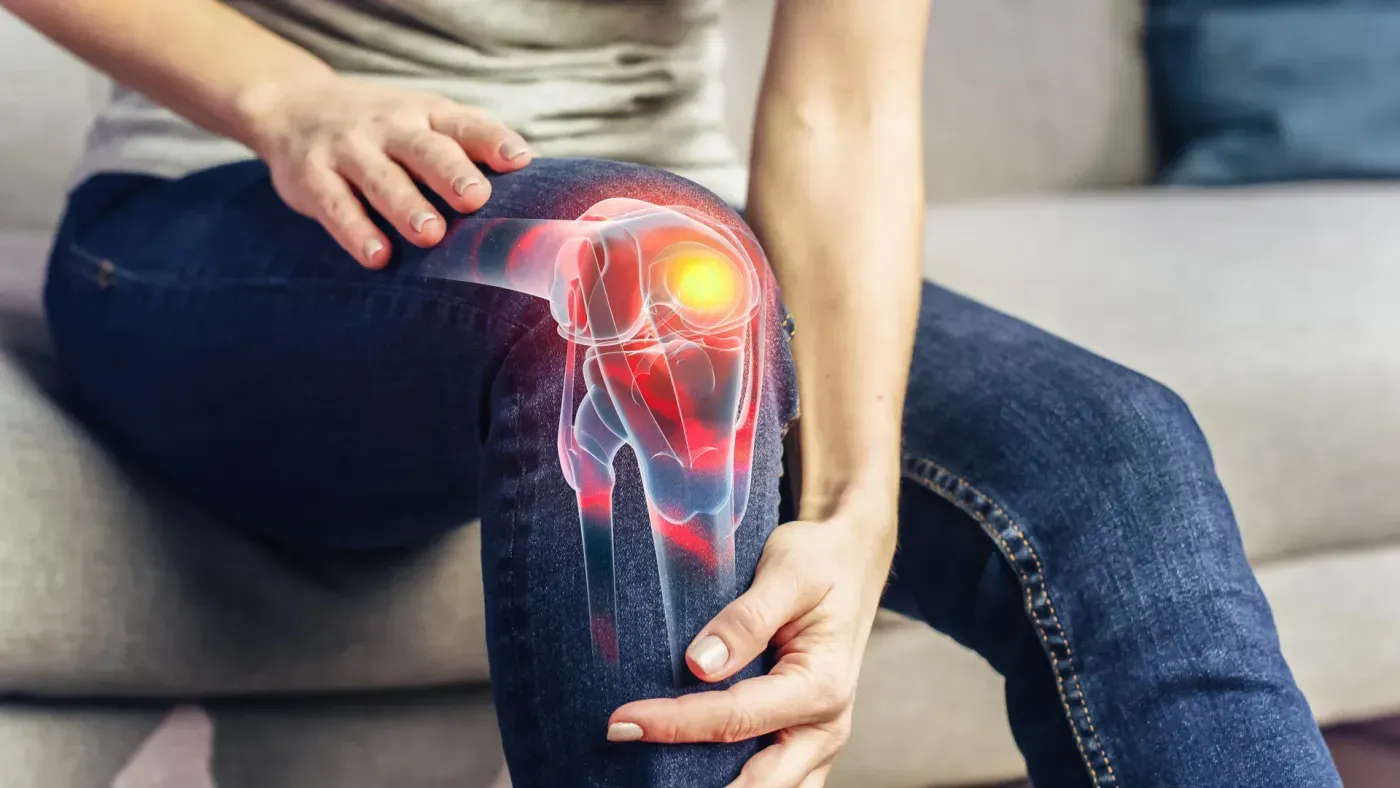
Knee osteoarthritis is a widespread condition affecting hundreds of millions worldwide, causing chronic pain and disability, particularly among older adults. As the joints deteriorate over time, cartilage wears away, leading to pain, stiffness, swelling, and difficulties with everyday activities like walking or climbing stairs.
The condition's treatment typically focuses on symptom relief and maintaining mobility through medications, physical therapy, and regular exercise. However, these approaches can have limitations, especially for individuals already struggling with persistent pain.
While the exact mechanisms are not yet fully understood, the study reveals a potential link between gut bacteria, pain processing, and muscle function in people with knee osteoarthritis.
Researchers are exploring new ways to manage symptoms of knee osteoarthritis, a condition characterized by joint pain and reduced mobility.
A recent study suggests that a simple daily fiber supplement could provide relief from arthritis pain and improve physical function. According to Dr. Afroditi Kouraki, lead author of the study, this finding raises exciting possibilities for managing symptoms through dietary changes.
The supplement tested in the study was inulin, a naturally occurring fiber found in foods such as chicory root and Jerusalem artichokes. Unlike many nutrients, inulin is not broken down by digestive enzymes in the small intestine but instead passes into the large intestine where beneficial bacteria can feed on it.
Beneficial gut bacteria play a crucial role in various bodily functions, influencing the immune system, producing biologically active compounds, and even affecting how the nervous system responds to pain. Researchers are increasingly discovering that the gut microbiome has a significant impact on overall health beyond digestion.
Inulin is classified as a prebiotic because it nourishes certain beneficial gut bacteria rather than directly supplying living microorganisms. When these bacteria ferment inulin, they produce substances known as short-chain fatty acids (SCFAs), which have been linked to various physiological processes.
The study found that participants taking inulin had increased levels of butyrate, a key SCFA produced during the fermentation process. This suggests that the supplement was influencing activity within the gut microbiome and could potentially lead to reduced inflammation and improved pain management.
The researchers found that participants who took a daily inulin supplement had higher levels of glucagon-like peptide-1 (GLP-1), a hormone involved in regulating blood sugar and appetite, as well as pain regulation and muscle health.
This increase in GLP-1 was particularly noteworthy because the hormone is also targeted by medications such as Ozempic and Wegovy. However, it's essential to note that the inulin supplement used in this trial was not designed to mimic these medications. Instead, its purpose was to support beneficial gut bacteria and see whether this would have a positive impact on GLP-1 levels.
Interestingly, higher levels of GLP-1 were associated with better grip strength. While this does not necessarily mean that GLP-1 is directly responsible for the improvement in muscle function, it suggests that changes originating in the digestive system may be connected to both pain and muscle health.
The INSPIRE trial was a six-week randomized controlled study involving 117 adults with knee osteoarthritis. Participants were divided into four treatment groups: those taking a daily inulin supplement alone, others receiving digitally supported physical therapy exercises (PSE) alone, a combination of the two, or a placebo group to serve as a control.
The researchers designed this trial to allow them to investigate the effects of both the supplement and exercise separately. This would also enable them to determine whether combining inulin with physical therapy offered any additional benefits beyond what each approach could achieve on its own.
Reducing pain sensitivity is crucial for individuals with osteoarthritis, as it's often not explained by visible joint damage. Instead, changes in how the nervous system processes pain contribute significantly to discomfort. This highlights a key area where treatment can be improved.
The study's findings also revealed an unexpected benefit: participants experienced improvements in grip strength, suggesting that the supplement's effects extend beyond just the knee joint itself. This opens up new possibilities for addressing related health issues through dietary changes.
A notable difference emerged between groups when it came to completing assigned treatments. Only 3.6% of those taking inulin alone dropped out, compared with a substantial 21% of participants who received physical therapy only. This disparity suggests that incorporating a daily fiber supplement into one's routine is more feasible than adhering to an exercise program.
The relatively low dropout rate for the inulin group is particularly encouraging from a public health perspective. Participants found it easy to incorporate this simple supplement into their daily lives, making it a promising approach for addressing arthritis pain.
The study's findings have sparked further investigation into the link between gut health and muscle strength, with potential implications for understanding aging and physical resilience.
While the trial was relatively small and short-lived, lasting just six weeks, the results are promising enough to warrant further research. Larger studies will be needed to confirm whether the benefits persist over time and to identify which patients may respond best to this approach.
The researchers emphasize that fiber supplements should not replace established treatments for arthritis, but rather complement them as an additional tool in managing pain and improving quality of life. This approach aligns with current understanding of the importance of a balanced diet and regular physical activity.
According to Professor Lucy Donaldson, Director of Research at Arthritis UK, persistent arthritis pain can have a profound impact on daily life. A recent survey by the organization found that six out of ten people living with arthritis experience pain most or all of the time.
The study's focus on the gut microbiome and its role in pain perception is an exciting area of research, highlighting the potential for diet and physiotherapy to work together in managing arthritis symptoms.
The study suggests that a simple daily fiber supplement may help alleviate knee osteoarthritis symptoms by reducing pain and improving strength.
This finding implies that managing arthritis could involve more than just treating the joints themselves. The research indicates that gut bacteria play a crucial role in inflammation, pain perception, and muscle function, offering new avenues for understanding and addressing this widespread condition.
The results of this study highlight the potential benefits of combining diet and physiotherapy to manage arthritis symptoms, pointing to a promising area of research with significant implications for millions of people worldwide.
Facts based on reporting originally published by ScienceDaily Health.
You may republish this story, in full or in part, if you credit Noti Group and link to it (licence CC BY 4.0). Photos are not included.