







UK Economy to Be Plagued by Inflation for Years to Come
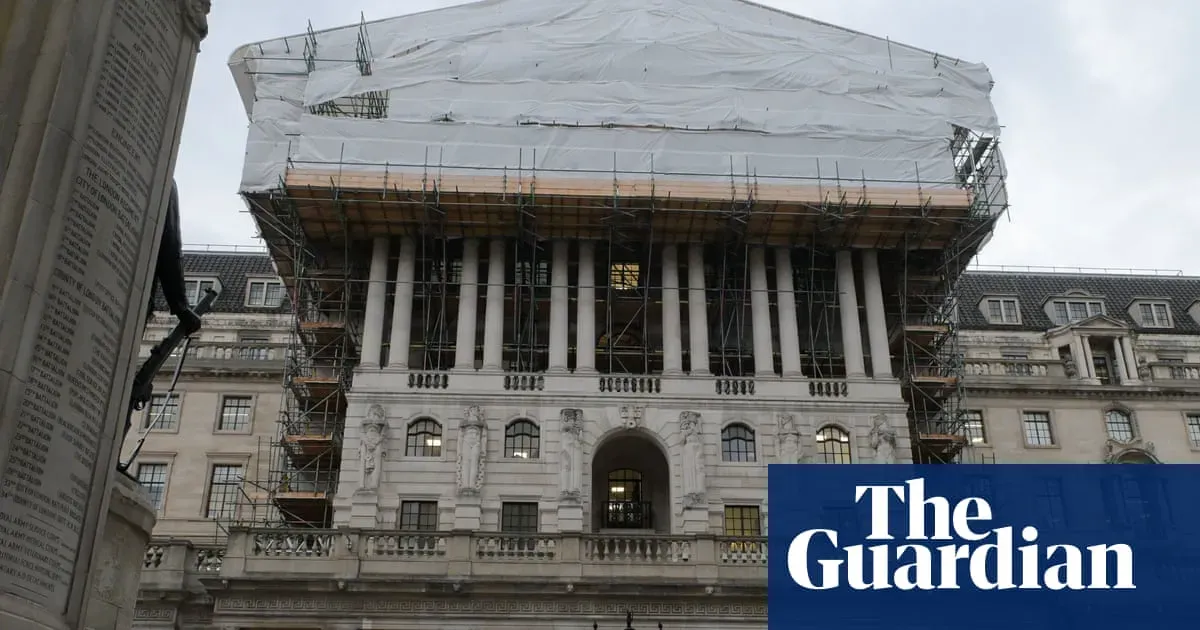
According to a leading economic thinktank, the UK economy is likely to be plagued by inflation for years to come due to the central bank's hesitant approach to tackling rising prices.
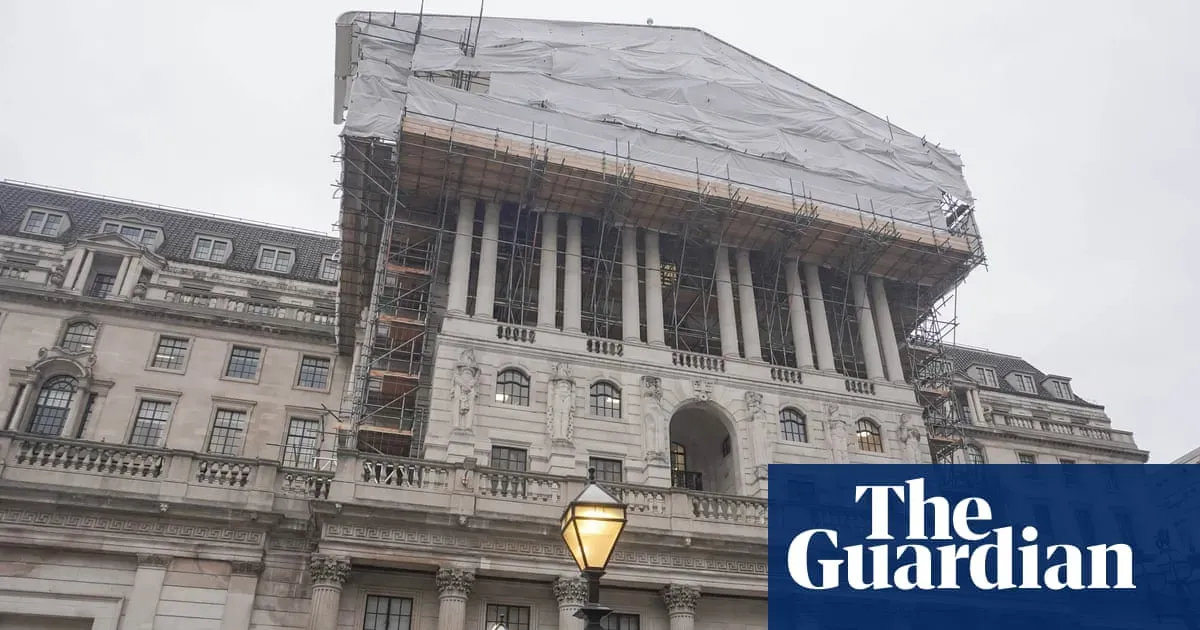
The Bank of England's recent decision to raise interest rates has been met with criticism from a leading economic thinktank.
According to Niesr, the UK economy is likely to be plagued by inflation for years to come due to the central bank's hesitant approach to tackling rising prices.
A timid increase in interest rates last week, which saw borrowing costs rise from 3.75% to 4%, has been deemed insufficient by Niesr, with experts predicting that inflation will stay above the Bank's 2% target until at least 2030.
The thinktank is warning that unless the Bank takes bolder action, inflation will become a persistent feature of the UK economy, leading to higher interest rates for longer.
The recent drop in Brent crude oil prices has provided some respite from the soaring costs that have been driving UK inflation above the Bank of England's 2% target. The price of oil had persistently traded at over $100 a barrel since the US and Israel launched their war on Iran, but it briefly dipped below $90 on Tuesday after Donald Trump downplayed the need for military action against the country.
This brief decline in oil prices was short-lived as investors took a cautious approach following the release of US inflation data. The news showed that high oil and gas prices continued to push up costs, causing the S&P 500 index to fall by 0.9% on Wall Street. This mixed signal from the global economy has added to uncertainty about future oil price movements.
The National Institute of Economic and Social Research (Niesr) had previously forecast growth in both the UK and global economies based on oil prices remaining at $105 a barrel. However, despite the recent drop in prices, the thinktank warns that continued shipping and refining difficulties will lead to a slow decline in consumer prices.
As oil prices remain volatile, the Niesr is cautioning against relying too heavily on a rapid decrease in costs. The institute's economist, Stephen Millard, notes that Trump's policy shift is crucial for maintaining lower oil prices, but also acknowledges the president's history of changing his stance on key issues.
The ongoing uncertainty surrounding oil prices and global economic growth has left investors with little clarity about future market trends. As a result, it remains to be seen whether the recent drop in oil prices will have a lasting impact on inflation and interest rates in the UK.
The UK economy's growth prospects have been downgraded by the Niesr, which now predicts 1.6% expansion for this year, followed by a slower 0.9% in 2028.
This forecast is attributed to the cumulative impact of high inflation, elevated interest rates, and tight government spending on consumer and business confidence. The institute's warning underscores the delicate balance between stimulating economic growth and managing fiscal responsibility.
Critics have already begun to question Chancellor John Healey's decision to delay tough choices in the recent budget, which has left a potential £30bn hole in the Treasury's finances if similar patterns persist. This criticism highlights the need for policymakers to strike a balance between short-term spending commitments and long-term fiscal sustainability.
The UK's economic outlook is further complicated by the "double whammy" of higher energy prices and rising global borrowing costs, which are beyond its control but require timely domestic policy responses to mitigate their effects.
Facts based on reporting originally published by The Guardian Business.
You may republish this story, in full or in part, if you credit Noti Group and link to it (licence CC BY 4.0). Photos are not included.