






Russian Troop Casualties Reach New Monthly High
Ukraine's military has reported a new monthly record for Russian casualties, estimating that at least 49,040 Russian troops have been killed or incapacitated in October.
Ukraine's military has reported a new monthly record for Russian casualties, estimating that at least 49,040 Russian troops have been killed or incapacitated in October.
This estimate comes as Ukraine continues to push for increased firepower and support from its international allies. In January, President Volodymyr Zelenskyy set a goal of achieving at least 50,000 enemy casualties per month by the end of this year, which he believes will help to offset Russian reinforcements.
The previous monthly high of 46,230 was recorded in September, marking a significant increase in reported Russian losses since the summer. Ukraine's military has attributed much of its success to aerial drones, which have proven to be highly effective in inflicting damage on Russian forces.
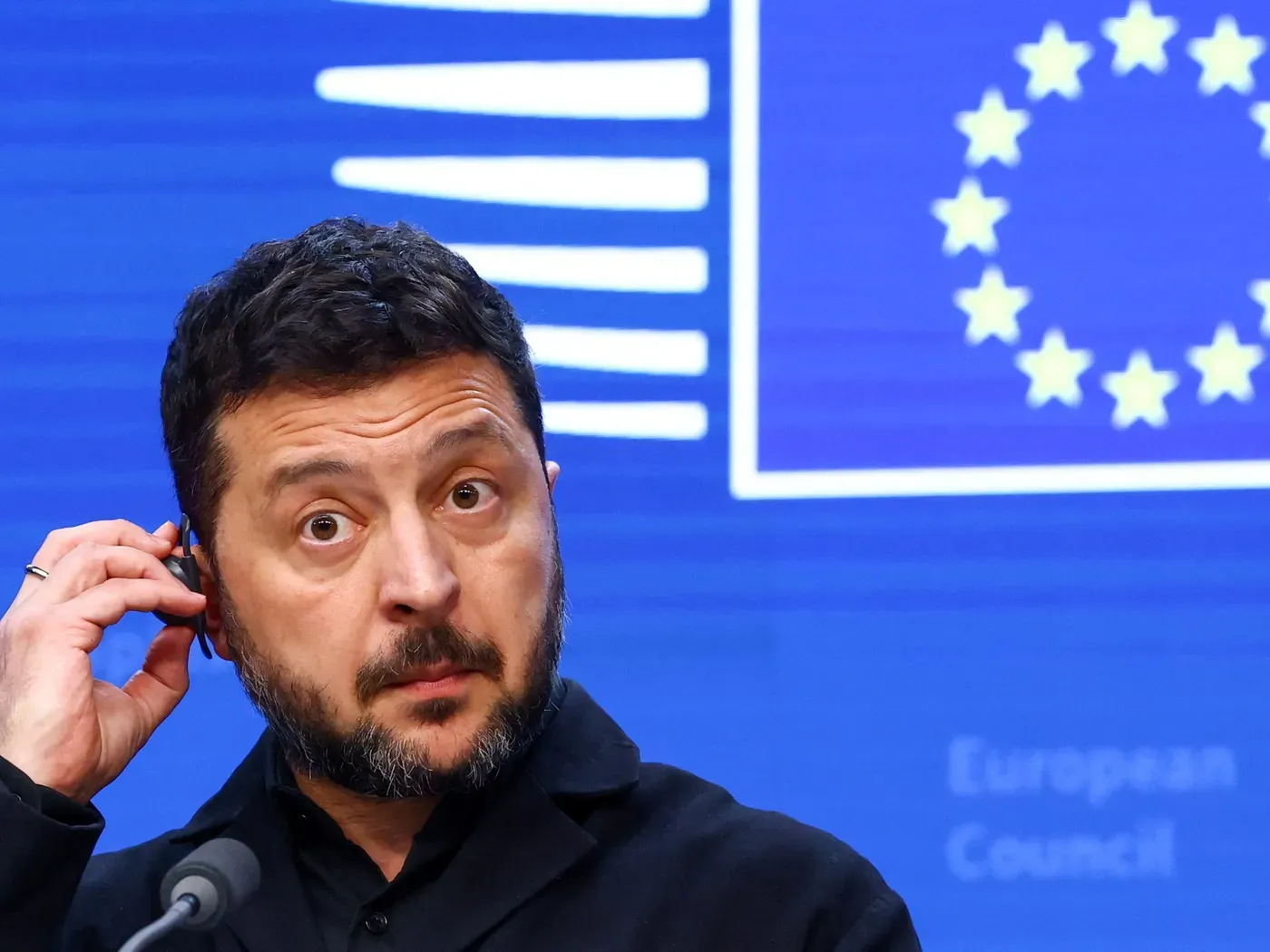
Ukraine's Defence Minister Yevhenii Khmara recently called for increased funding from European allies to support drone production, aiming to double output next year to around 16 million units. This would enable Ukraine to scale up joint production of drones with its international partners and further boost its military capabilities.
The Ukrainian government has shifted its focus towards mass production of drones as it seeks to gain an upper hand in the war against Russia. According to sources close to the matter, the decision is based on the notion that sheer numbers can overwhelm technological superiority.
Ukrainian Defence Ministry adviser Serhiy Beskrestnov acknowledged this change in strategy, stating that "mass production and simplicity will overcome technology." This approach would enable Ukraine to scale up its drone production capabilities and potentially triple output with sufficient funding.
The Netherlands has pledged 500 million euros in immediate military aid and a further 1.2 billion euros in financing. Meanwhile, the UK has committed an additional 10 billion pounds over three years, including 3 billion pounds for weapons.
Ukraine's Starlink satellite navigation services have resumed normal operations after a brief disruption, with Defence Ministry officials reporting stable communication speeds exceeding 400km/h.
The development of an independent sovereign military satellite system by Ukraine and Finland has been announced, with the first satellites set to launch in 2028. The partnership between Poland-based ICEYE and Finnish Nokia is expected to bring a new level of independence to Ukraine's military operations. This move comes as Ukraine continues to rely on international support for its satellite navigation services, including Starlink.
Ukraine's efforts to develop its own satellite system may be driven by concerns over the reliability of external services. The country has previously experienced disruptions to its Starlink services, which provide critical communication and navigation capabilities. These outages have had significant consequences, including a decrease in Ukraine's ability to intercept Russian drones.
Despite these challenges, Ukrainian forces have demonstrated their adaptability and resilience. According to data from the Ukrainian Air Force, the country managed to shoot down at least 75 percent of jet-powered drones during the week ending October 29. This rate is significantly higher than the three-month average, suggesting that Ukraine's military is rapidly improving its capabilities.
The success in intercepting Russian drones has not come without cost, however. On October 29, a drone strike in Dnipro killed at least 14 people and highlighted the ongoing threat posed by Russia's unmanned aerial vehicles. The incident serves as a reminder of the need for Ukraine to continue developing its military capabilities and improving its defenses.
Ukraine's push for greater independence from external satellite services has also led to discussions with other European leaders, including Dutch premier Rob Jetten. These talks are part of a broader effort by Ukraine to strengthen its relationships with European allies and secure the support it needs to defend itself against Russian aggression.
Ukraine has been experiencing artificial delays in receiving critical defense systems, including interceptor missiles for Patriot and NASAMS systems, which have hindered its ability to counter Russian aggression.
The country's leader has expressed frustration over the situation, stating that these delays are directly benefiting Russia's goals of inflicting terror on Ukraine. The impact was evident when a university campus in downtown Kyiv came under attack from Russian ballistics on October 27.
In an attempt to mitigate this issue, Ukraine's defense minister asked European allies to transfer 10 percent of their existing stocks of interceptors as an advance on future orders just one day prior to the Kyiv attack. This move was likely aimed at accelerating the delivery of these critical systems.
Ukraine has not been idle in its efforts to counter Russian aggression, having launched a series of strikes against key targets over the past week. On October 23, Ukrainian missiles destroyed the main microchip production building of Proton-Electrotex in Orel, which is responsible for manufacturing missile components.
The country's military also targeted several chemical plants that produce solid rocket propellants used in missiles, as well as two factories involved in airframe production or metal supply. Meanwhile, Ukraine has been expanding its capabilities in underground warfare, conducting operations far from the reach of drones and satellites.
Ukrainian forces have demonstrated their adaptability in warfare by turning the tables on Russian troops who had attempted to use underground gas pipelines as a means of advancing past Ukrainian positions.
According to General Ihor Oboloenskyi, Ukraine's Operation Veles successfully advanced 15 kilometers through these pipeline and tunnel networks, emerging behind enemy lines with significant gains. This operation marked another instance where Ukrainian forces have managed to push Russian troops back and reclaim territory, following in the footsteps of two earlier operations this year.
The Ukrainian military has been employing a multi-pronged approach, combining underground attacks from pipes and tunnels with overland assaults and drone strikes to catch enemy forces off guard from multiple directions. This coordinated effort resulted in the deaths or injuries of 100 Russian soldiers, while 30 were captured by Ukrainian forces.
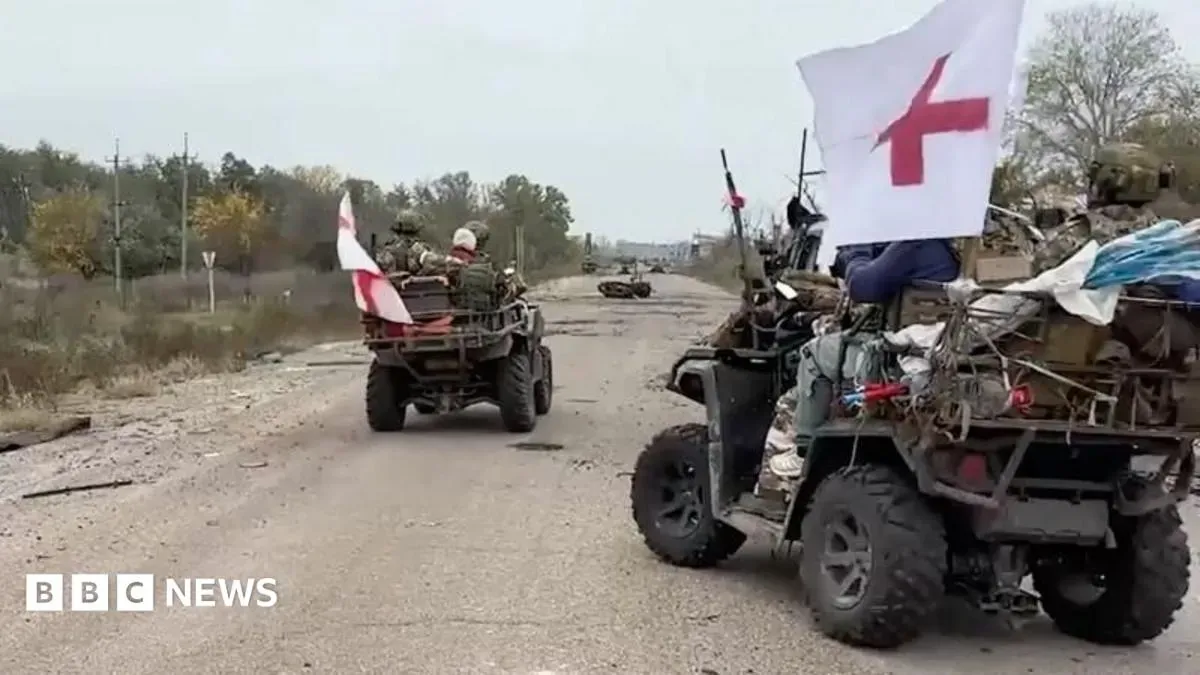
Russian troops had also been utilizing these pipelines to evacuate their wounded, further highlighting the significance of this strategic location. Footage emerged showing Russian forces marching Ukrainian civilians alongside their own wounded as human shields, a tactic that has sparked widespread condemnation.
Ukrainian forces have continued to gain ground in other parts of the country, with reports emerging of the liberation of three settlements, Peredubova, Komar and Fedorivka, on the Donetsk-Zaporizhia border.
Ukrainian forces have continued to gain momentum on the battlefield, pushing back against Russian control in various parts of the country.
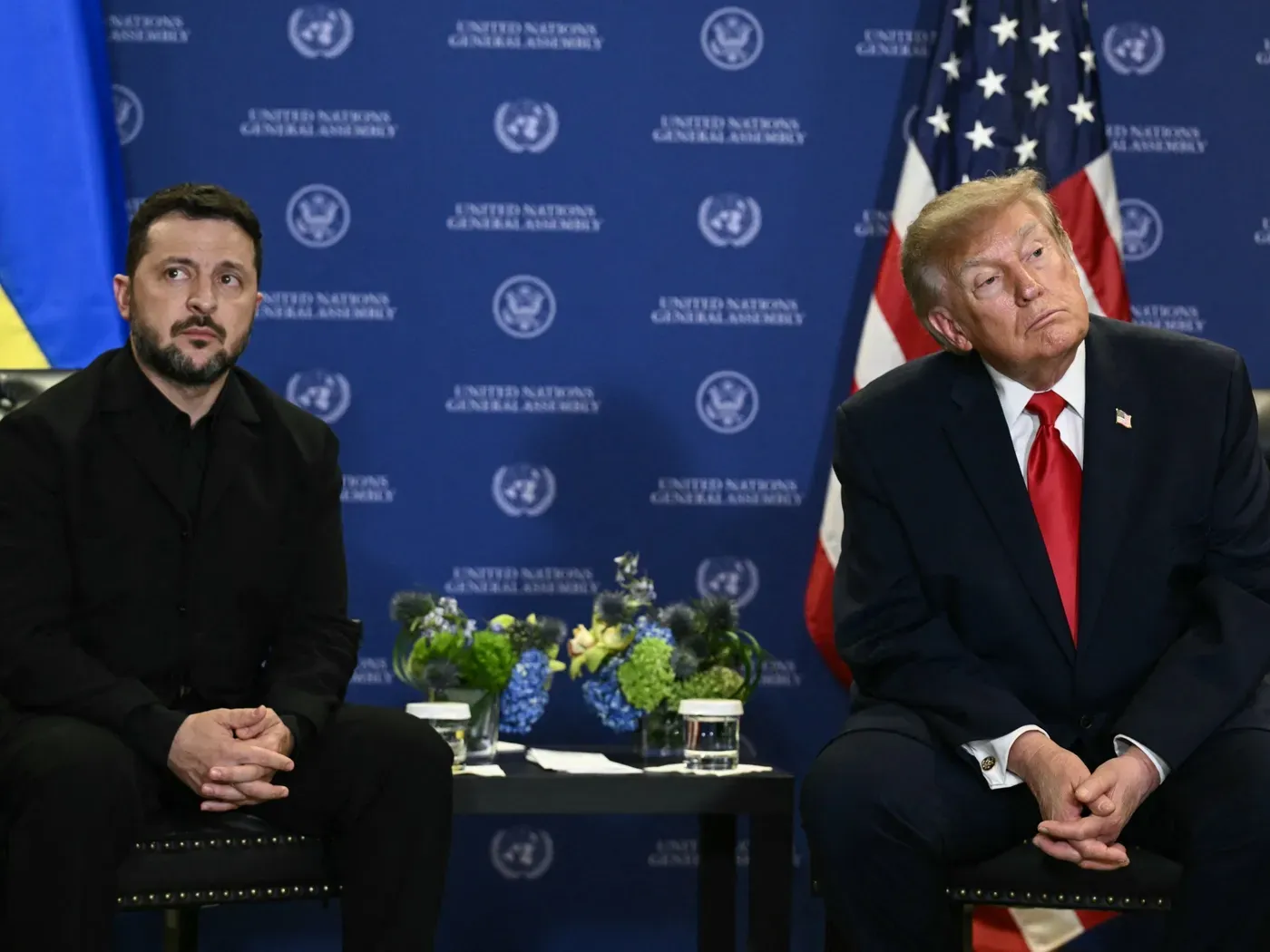
In a separate development, efforts to bring Ukrainian and Russian technical teams to the negotiating table remain on track for November 10, with US support. However, these efforts face skepticism from both sides, as Ukraine's leader has expressed support for a ceasefire on energy infrastructure and grain exports. This is despite Russia downplaying expectations for meaningful progress.
Russian President Vladimir Putin has continued to assert his country's claims over Ukrainian territory, referring to it as "the territory of historical Russia" in a statement earlier this month. His foreign policy adviser, Valery Ushakov, also expressed doubts about the potential impact of upcoming talks, suggesting they will not lead to significant breakthroughs.
Facts based on reporting originally published by Al Jazeera.
You may republish this story, in full or in part, if you credit Noti Group and link to it (licence CC BY 4.0). Photos are not included.