




US President Prioritizes Diesel Deal with Russia Over Ukraine and European Allies
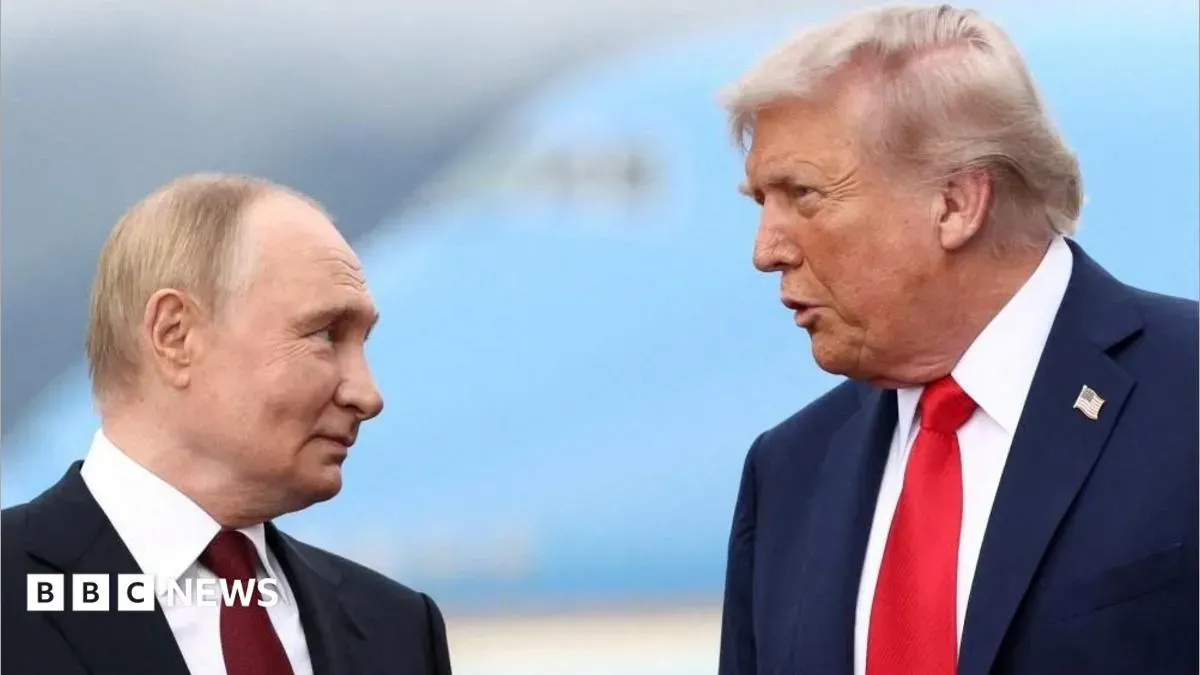
Ukraine's President Volodymyr Zelenskyy expressed disappointment over US President Donald Trump's decision to prioritize a diesel deal with Russian counterpart Vladimir Putin.
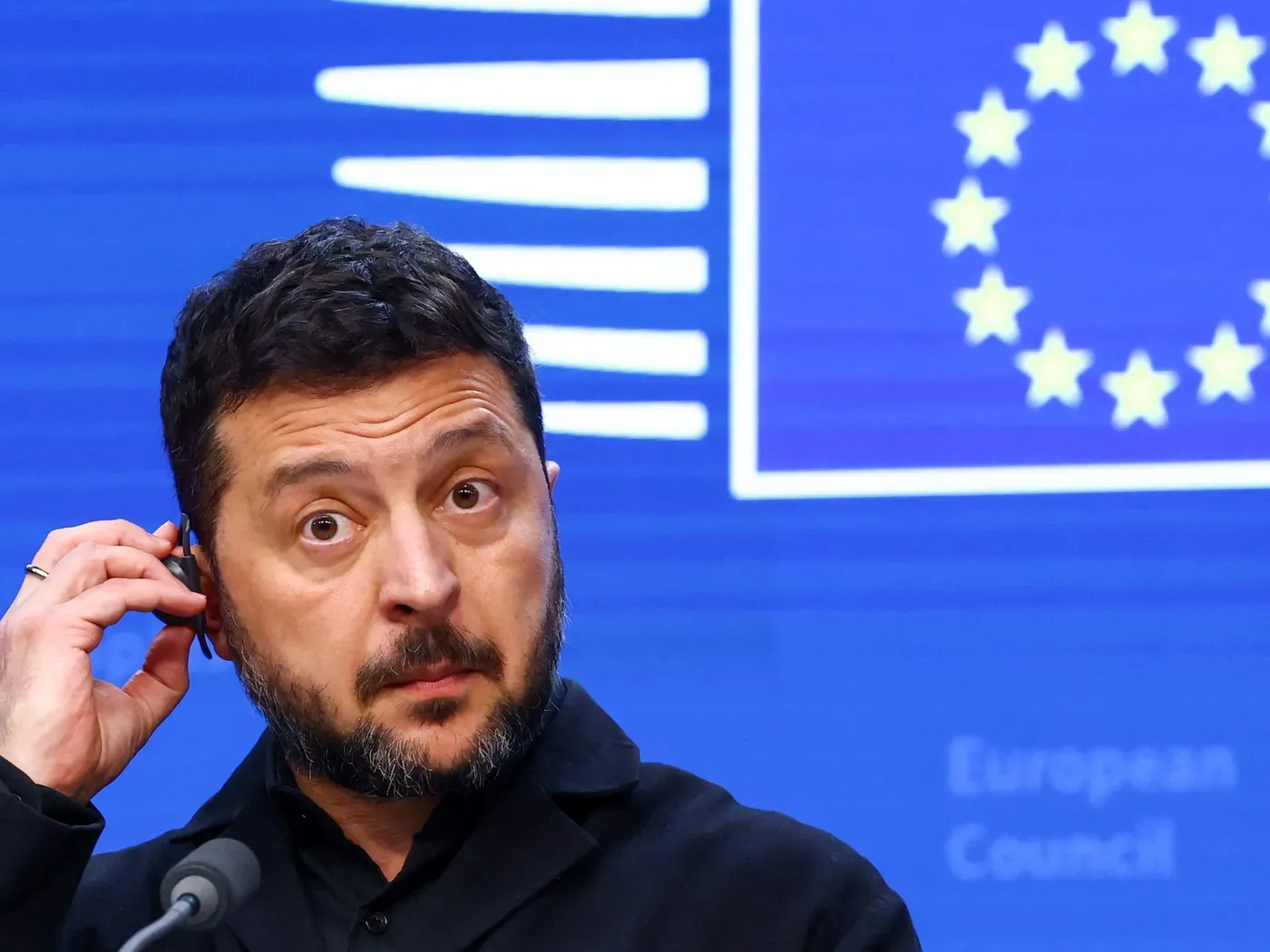
Ukraine's President Volodymyr Zelenskyy expressed disappointment on Wednesday over US President Donald Trump's decision to prioritize a diesel deal with Russian counterpart Vladimir Putin over Ukraine and its European allies.
The diesel deal has added to the tensions between Washington and Kyiv, which have been strained in recent weeks due to reports of disruptions to Starlink/Starshield services. The service was suspended for two days, from October 13-14, before being restored. However, unconfirmed reports suggest that the restrictions may have been imposed by the White House as a pressure tactic on Ukraine.
The disruption of Starlink/Starshield services has further strained relations between Ukraine and the US, which have already been strained due to Trump's previous tilts towards Moscow. On Friday, Zelenskyy accused Washington of continuing to throttle Starlink and making concessions to Russia.
Trump's decision to prioritize a diesel deal with Putin over Ukraine is not unprecedented, as he has done so before at his August 2025 summit in Alaska. However, despite this history, the arrangement under which Europe pays for US weapons delivered to Ukraine continues to work, and the US still shares intelligence with Kyiv.
Despite earlier proposals to reconsider certain aspects of its peace framework, the White House has softened its stance on several key issues. Specifically, it has dropped plans to officially recognize Crimea as part of Russia and to require Ukraine to withdraw from all of its Donbas region.
Ukraine and Europe have continued to cooperate with US diplomatic efforts aimed at Moscow, led by envoys Steve Witkoff and Jared Kushner. This cooperation includes going along with the diesel deal, despite potential opposition from Congress.
However, this cooperation should not lull Ukraine or its European backers into a false sense of security. There are many reasons for them to be concerned, beyond just Trump's unpredictable nature.
One major concern is Putin's determination to escalate the conflict in Ukraine. Cities and critical infrastructure are being targeted daily by ballistic missiles and upgraded drones, putting a strain on Ukraine's air defences. The country is also bracing for another harsh winter.
Russia has been portraying itself as the victim of Ukrainian aggression, after Kyiv resumed its attacks, including an attack on a refinery in Ryazan that Trump described as "a disgrace".
Fighting has escalated along NATO's eastern border as Ukrainian grain shipments through the Black Sea have come under attack in Romanian waters. This move by Russia appears to be part of a broader strategy to disrupt Ukraine's supply chain and gain leverage over key European countries. The attacks on grain ships are likely aimed at crippling Ukraine's economy and eroding its ability to resist Russian aggression.
Russia is also waging a hybrid war against Europe, seeking to intimidate and influence public opinion in crucial member states like Germany. By spreading fear through targeted attacks, Moscow aims to sway the balance of power within the EU. This tactic has already shown some success, with some European leaders beginning to re-evaluate their stance on Russia.
In response to these developments, some EU countries are pushing for renewed engagement with Moscow. Slovak Prime Minister Robert Fico recently announced that his country's intergovernmental economic commission with Russia would resume work. Meanwhile, Bulgarian President Rumen Radev has expressed support for Trump's efforts to negotiate a diesel fuel deal with Moscow.
The financial burden of supporting Ukraine is becoming increasingly unsustainable for European countries. The 90-billion-euro loan authorized by the EU in April may run out before the end of 2027, leaving Kyiv facing an estimated shortfall of up to 70 billion euros for defense and civilian purposes that year. This has sparked a heated debate within the EU about how to finance Ukraine's needs.
The question of whether aid for Ukraine should come from Russia's frozen financial assets in Europe is once again being raised as a possible solution. Trump has called for some of these funds to be released, while others are advocating for deep cuts in EU spending to address the budget shortfall.
The looming elections in several European countries have added to the pressure on leaders to address the budget shortfall and make tough decisions about aid to Ukraine.
In a rare display of unity, European Council President Antonio Costa and Ukrainian President Volodymyr Zelenskyy were joined by European Commission President Ursula von der Leyen in Brussels last week. Costa emphasized that support for Ukraine must continue despite the challenges facing Europe, while Zelenskyy reminded everyone of the consequences if aid is withdrawn.
The EU has taken steps to bolster its relationship with Ukraine ahead of the summit, including opening two clusters in accession talks and imposing new sanctions on Russia. This move follows a meeting between Zelenskyy and British leaders in London earlier this week.
As it stands, the EU and UK have become the primary supporters of Ukraine's survival as an independent state. They have filled the void left by the US, which has been unable to provide consistent support. For Ukraine, becoming a member of the EU or a closely integrated partner like Norway remains its long-term goal.
The path ahead will be fraught with difficulty, particularly in light of the upcoming elections and the need for European leaders to balance competing priorities and make tough decisions about aid to Ukraine.
Europe's military capabilities are currently insufficient to fill the void left by the United States in Ukraine. The ongoing conflict has made it clear that European forces lack the necessary firepower and resources to effectively counter Russian aggression on their own.
The absence of a viable alternative to Starlink is another significant concern for Europe. While European intelligence agencies can provide some data support, they are unable to replicate the satellite-based communication system's capabilities in the short term.
As a result, European nations are investing heavily in developing their own air-defence systems and interceptors. However, these efforts are expected to take at least a decade to bear fruit, leaving Europe reliant on US support for the foreseeable future.
In negotiations with Russia, Europe lacks the leverage needed to bring Vladimir Putin to the table. While sanctions relief and restored energy flows could serve as incentives, any Russian response is likely to require pressure of some kind, something that has thus far eluded the United States under Trump's leadership.
Both Ukraine's President Zelenskyy and European leaders will likely adopt a cautious approach to dealing with Trump, attempting to maintain good relations with him while navigating their own differences. They may be counting on the current White House overture to Russia to lose momentum after the upcoming midterm elections.
They will probably advise Trump that his legacy would be best served by standing firm against Moscow, an opinion shared by many of his fellow Republicans. This wait-and-see strategy relies on weathering through the winter and, ultimately, the end of Trump's presidency.
Facts based on reporting originally published by Al Jazeera.
You may republish this story, in full or in part, if you credit Noti Group and link to it (licence CC BY 4.0). Photos are not included.