








Psychedelics May Not Cause Brain Chaos After All
A recent study has challenged the long-held understanding that psychedelics cause chaos in the brain by disrupting normal communication patterns between different regions. Brain networks,...
A recent study has challenged the long-held understanding that psychedelics cause chaos in the brain by disrupting normal communication patterns between different regions. Brain networks, which are responsible for tasks such as vision, attention, and self-awareness, were thought to become disconnected and start firing randomly under the influence of psychedelics.
However, a team of researchers from Monash University has proposed an alternative explanation for the effects of psychedelics on the brain. Led by neuroscientist Devon Stoliker, they designed an experiment to investigate whether the apparent chaos in brain activity caused by psychedelics is truly random or if there is some underlying structure.
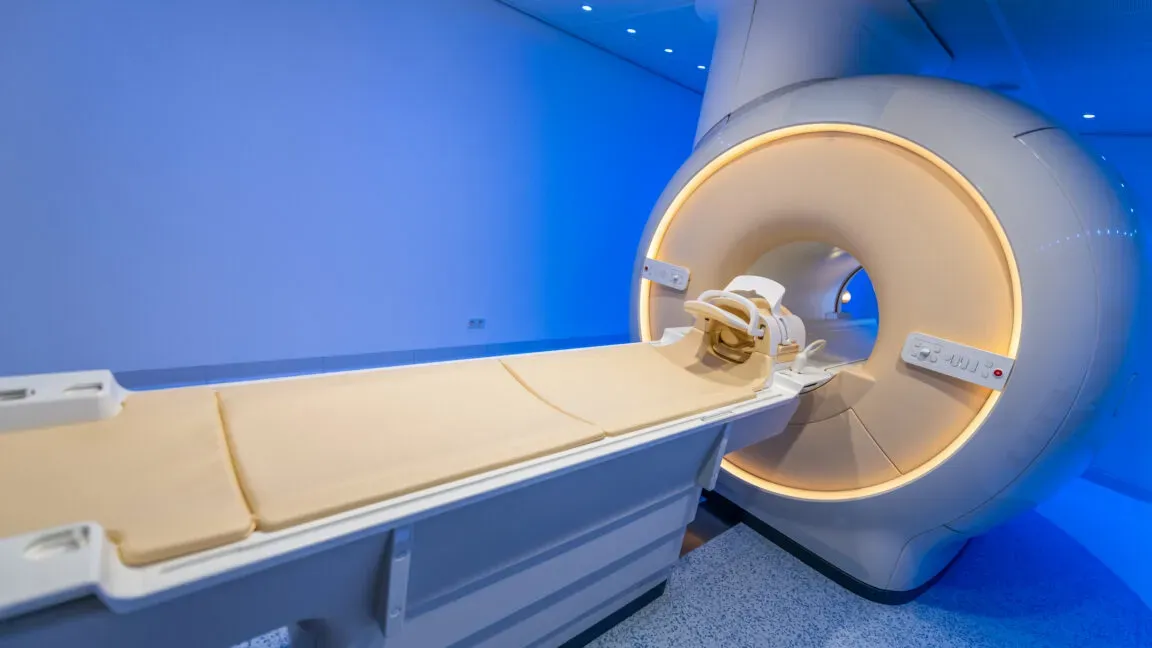
The study involved 62 individuals who had never taken a psychedelic before and were given a dose of psilocybin, a common psychedelic found in certain fungi. Their brains were then scanned using MRI technology to compare their brain activity under both sober and psychedelic conditions.
Using artificial intelligence to analyze the scans, the researchers found that the brain activity patterns caused by psychedelics were not as chaotic as previously thought. Instead, they discovered a more complex and organized pattern of communication between different brain regions.
Stoliker has expressed skepticism about the traditional view that psychedelics cause chaos in the brain. He believes that this explanation fails to account for the profound psychological effects experienced by individuals under the influence of psychedelics, such as insight, clarity, and positive changes.
To further investigate the effects of psychedelics on the brain, Stoliker's team designed a study called PsiConnect. This involved having participants go through a four-part sequence twice, once while sober and once after taking psilocybin, to compare their brain activity under both conditions.
The sequence included tasks such as lying at rest, guided meditation, listening to music, and watching clouds moving across a sky. Each participant's brain was scanned using MRI technology about 80 minutes after dosing, and again on EEG about 150 minutes later.
The researchers wanted to capture the authentic experience of taking psychedelics, without introducing external tasks or stimuli that could disrupt the natural effects of the substances.
This decision was motivated by a desire for ecological validity, which means studying real-world experiences rather than simulated ones in a lab setting.
By not giving participants cognitive tasks to complete during their psychedelic sessions, the researchers aimed to preserve the uninterrupted nature of the experience.
As it turned out, this approach seemed to work, with participants reporting extremely meaningful experiences. In fact, half of them ranked their session among the most significant events of their lives.
Among these participants, 24 even placed their experience in their top five most memorable moments. This suggests that the researchers' approach was successful in capturing a genuine and profound effect from the psychedelics.
The team began analyzing brain scan data to understand what was happening during these intense experiences, with an initial focus on global functional connectivity, how different regions of the cortex interacted with each other.
The brain's response to psychedelics is a complex phenomenon, and researchers have been trying to understand what happens when individuals experience intense visual imagery while under their influence.
To gain insight into this process, the team began analyzing data from EEG sessions, which measure electrical activity in the brain. They found that, during these sessions, alpha-band activity - typically associated with the brain filtering out visual input - was significantly reduced by nearly half.
This reduction in alpha-band activity suggests a blurring of the lines between internal and external experiences, according to researchers. When individuals take psychedelics, they often report seeing complex imagery even when their eyes are closed, which challenges the traditional notion that there is a clear boundary between the inner world and external reality.
The findings from the EEG sessions also mirrored the results obtained from brain scan data, which showed significant changes in how different regions of the cortex interacted with each other. Specifically, activity in the visual network was found to be much more similar when individuals were under psilocybin than when they were sober and their eyes were open or closed.
The standard approach to analyzing brain imaging data involves averaging over both time and participants, but this method can mask ordered structures that appear briefly before disappearing into chaos. By avoiding these averages, the researchers aimed to capture the unique experiences of each individual and gain a more nuanced understanding of how psychedelics affect the brain.
In processing their data in an unconventional way, the team was able to uncover patterns that might have gone unnoticed using traditional analysis methods. This approach allowed them to better understand what happens during intense psychedelic experiences and shed new light on the complex interactions between different regions of the cortex.
The researchers used a machine-learning tool to compress the brain activity data into its essential structure while preserving the order of events.
This approach allowed them to visualize each individual's brain activity as a trajectory through a three-dimensional space, one point for each moment of the scan.
Each person's trajectory separated into distinct clusters corresponding to different states: rest, meditation, music, and the movie they were watching.
A classifier was able to identify which state the person was in by analyzing their brain activity at any given moment, with its performance improving as the participants reported more profound experiences under psilocybin.
The team found that replacing one network's psilocybin activity with its sober version significantly impacted the classifier's accuracy, revealing that certain brain networks played a crucial role in the psychedelic experience.
These networks included the default mode and visual systems, which normally function independently but became less differentiated under psilocybin.
The temporary effects of psychedelics on brain networks may be redefining our understanding of how we perceive the internal and external world.
According to researchers, these substances seem to alter the organization of brain networks that normally maintain a clear distinction between what's happening inside our minds and what's happening outside. This blurring of boundaries raises questions about whether our brains are actively constructing both realities or if they're separate entities.
The next day after undergoing psilocybin treatment, participants reported significant shifts in their psychological state. They rated improvements in their sense of connection to themselves, others, nature, as well as feelings of peace, acceptance, and creativity on a scale from -100 to 100. The overwhelming majority experienced positive changes.
Data collected from brain readings using a classifier that distinguished between meditation, rest, music, and the movie used during treatment correlated with the magnitude of these shifts. This suggests that the effects of psychedelics may be linked to changes in brain organization triggered by specific contexts such as environment, music, or instructions.
Researchers are still refining their methods, acknowledging that identical "embeddedness" scores can correspond to vastly different subjective experiences between individuals. Furthermore, all participants in this study were healthy individuals, not patients with psychological disorders that could potentially benefit from psychedelic-based therapies.
The study's findings suggest that variables such as music or visuals play a crucial role in enhancing the therapeutic effects of psychedelics.
Researchers acknowledge that more research is needed to determine how these variables should be optimized for specific individuals or conditions. This could involve developing personalized approaches tailored to each person's unique needs, potentially leading to more effective treatment outcomes.
Facts based on reporting originally published by Ars Technica.
You may republish this story, in full or in part, if you credit Noti Group and link to it (licence CC BY 4.0). Photos are not included.