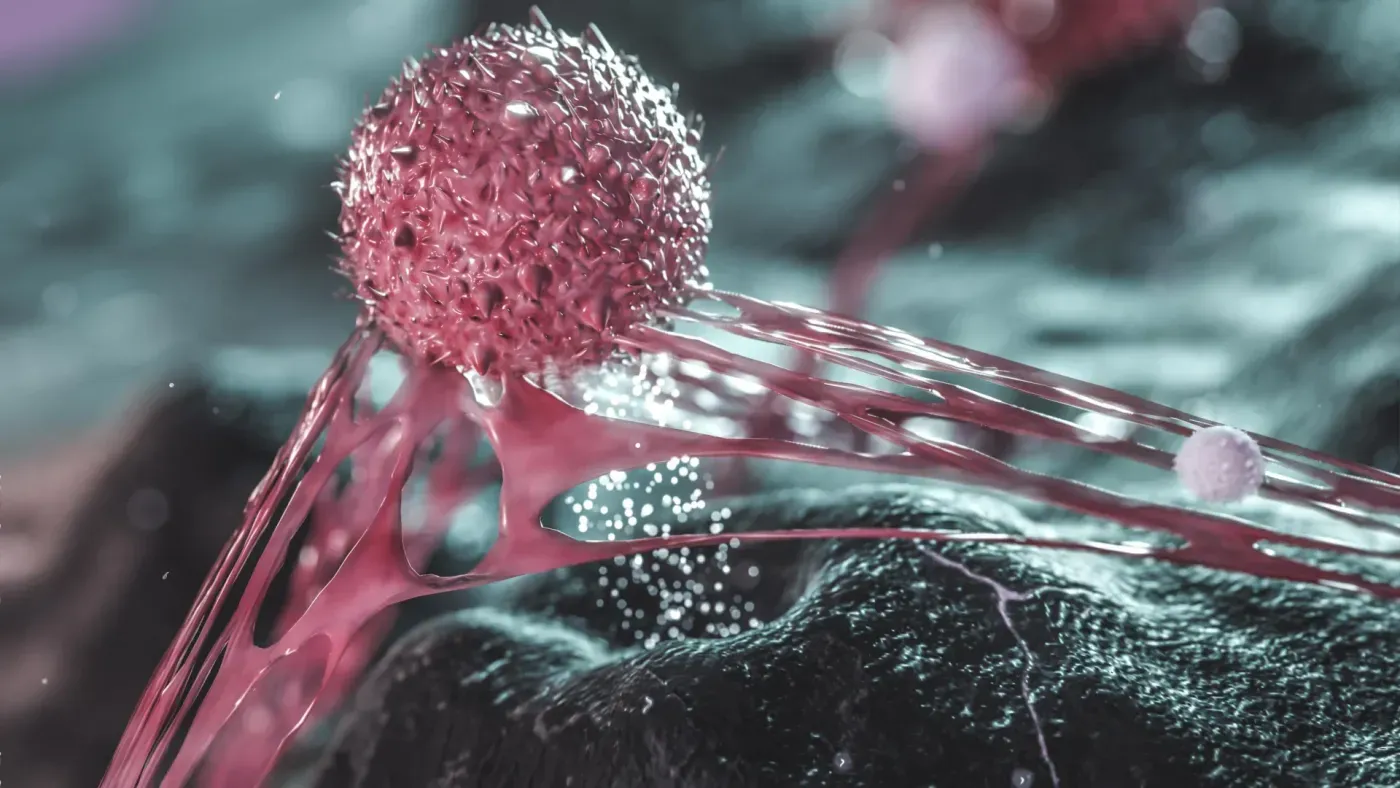








Potential link found between PFOA and aggressive form of breast cancer
Researchers have discovered that higher levels of perfluorooctanoic acid (PFOA) and perfluorooctanesulfonic acid (PFOS) in the blood are associated with a nearly doubled risk of developing ER-negative breast cancer.
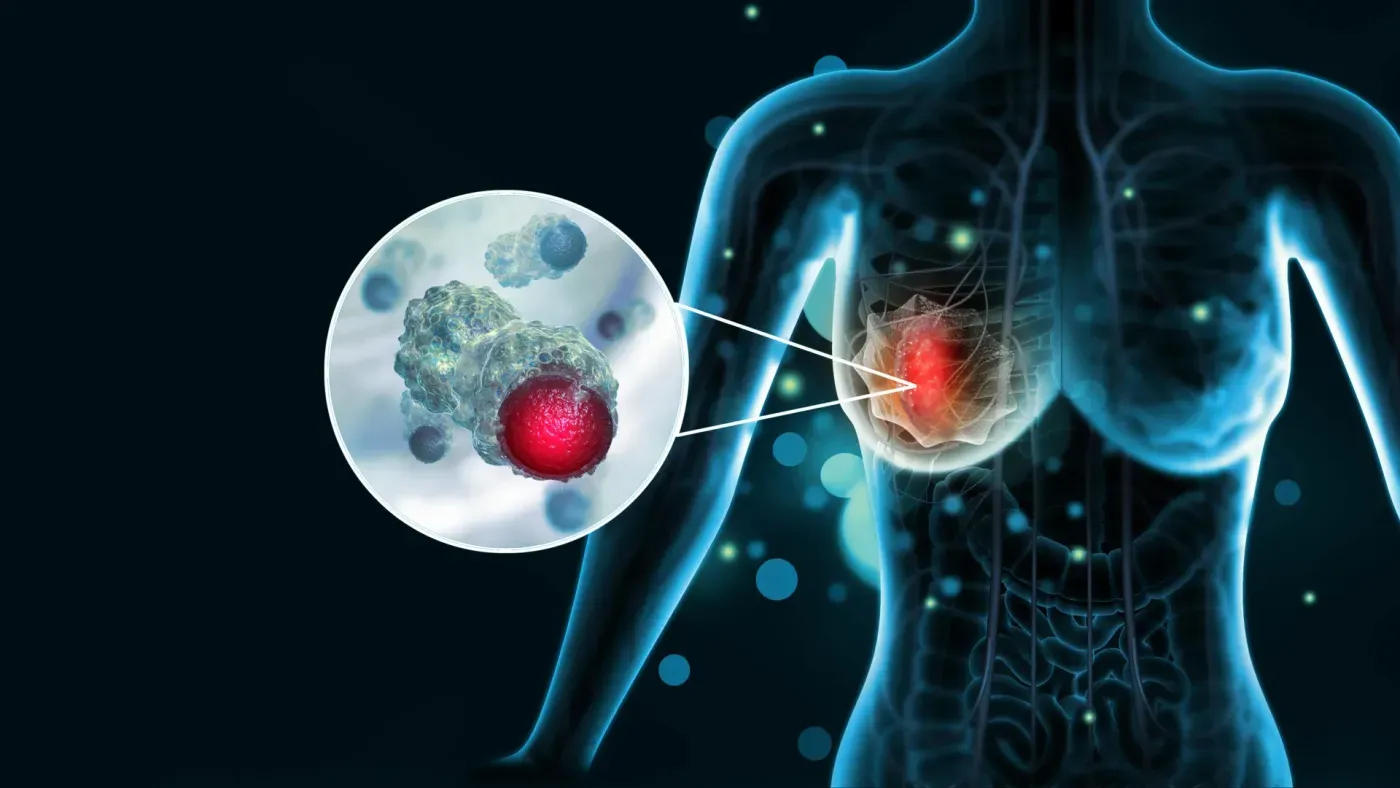
A new study from the National Institutes of Health has uncovered a potential link between two common chemicals and an aggressive form of breast cancer.
The research found that higher blood levels of perfluorooctanoic acid (PFOA) and perfluorooctanesulfonic acid (PFOS) are associated with a nearly doubled risk of developing estrogen receptor-negative, or ER-negative, breast cancer. This type of cancer is particularly aggressive and has a poorer prognosis than other forms of the disease.
The two chemicals in question belong to a large family of per- and polyfluoroalkyl substances known as PFAS. These "forever chemicals" are widely used in everyday consumer products and have been shown to persist in the environment for years, accumulating in human bodies along the way.
According to experts, women with higher concentrations of PFOA and PFOS in their blood are more likely to develop ER-negative breast cancer. However, researchers found no clear link between these chemicals and overall breast cancer risk.
The study's findings have sparked calls for further investigation into the potential health risks posed by PFOA and PFOS. With millions of women worldwide affected by breast cancer, understanding any possible environmental factors contributing to its development is crucial for prevention and treatment efforts.
Researchers have been trying to understand what drives the development of ER-negative breast cancer, a particularly aggressive form of the disease that doesn't respond well to standard treatments. This type of cancer is often more severe than its estrogen-receptor-positive counterpart and has fewer known risk factors.
The study's lead investigator, Alexandra White, Ph.D., noted that exposure to certain persistent environmental chemicals could be one contributing factor in developing ER-negative breast cancer. The researchers conducted a meta-analysis of prior research to confirm their findings and shed light on the possible connection.
PFAS chemicals like PFOA and PFOS have been linked to various health problems, but their potential role in breast cancer is still not well understood. To investigate this further, NIH scientists analyzed blood samples collected from women before they received a cancer diagnosis.
The analysis revealed significant differences in the risk of ER-negative breast cancer among women exposed to varying levels of PFOA and PFOS. Women with the highest levels of PFOA exposure were found to have nearly double the rate of ER-negative breast cancer compared to those with the lowest levels, while PFOS exposure was associated with an even greater increased risk.
The study's results highlight the need for further research into the potential links between environmental exposures and breast cancer. By exploring these connections, scientists may be able to identify new ways to prevent or treat this aggressive form of the disease, which affects millions of women worldwide.
The study's analysis revealed a significant link between the presence of PFAS and an increased risk of aggressive breast cancer.
The research drew from the Sister Study, a large-scale investigation conducted by the National Institute of Environmental Health Sciences (NIEHS) that involved 50,884 women across the United States and Puerto Rico. Participants were between 35-74 years old when enrolled between 2003 and 2009.
They had all been diagnosed with breast cancer in their sisters but were themselves free from the disease at the time of enrollment. The study's data was used to compare a group of women who developed aggressive breast cancer (1,609 individuals) with those who did not develop the disease (2,269 women).
The ongoing investigation into the impact of PFAS on human health has led researchers to explore potential mechanisms by which these chemicals influence cancer development.
Given that the strongest associations were observed in tumors lacking estrogen receptors, it is possible that PFAS exert their effects through biological pathways unrelated to hormonal signaling.
Possible explanations for this phenomenon include changes in gene expression or alterations in the immune response. However, the study did not directly investigate these mechanisms, leaving their involvement uncertain.
The persistence of PFOA and PFOS in people's bodies means that exposure to these older chemicals remains a concern, despite efforts to phase them out and replace them with newer compounds.
Further research should focus on populations with higher levels of PFAS exposure and those experiencing higher rates of ER-negative breast cancer.
The study's findings have significant implications for public health, particularly in regions where PFAS contamination is widespread.
Further research should focus on populations with higher levels of PFAS exposure and those experiencing higher rates of ER-negative breast cancer. The support provided by NIEHS grants underscores the importance of continued investigation into this pressing issue.
Facts based on reporting originally published by ScienceDaily Health.
You may republish this story, in full or in part, if you credit Noti Group and link to it (licence CC BY 4.0). Photos are not included.