




Claude Duet AI Agent for Consumers
A new AI agent called Claude Duet is designed for consumers who don't write code and helps users prioritize their attention.
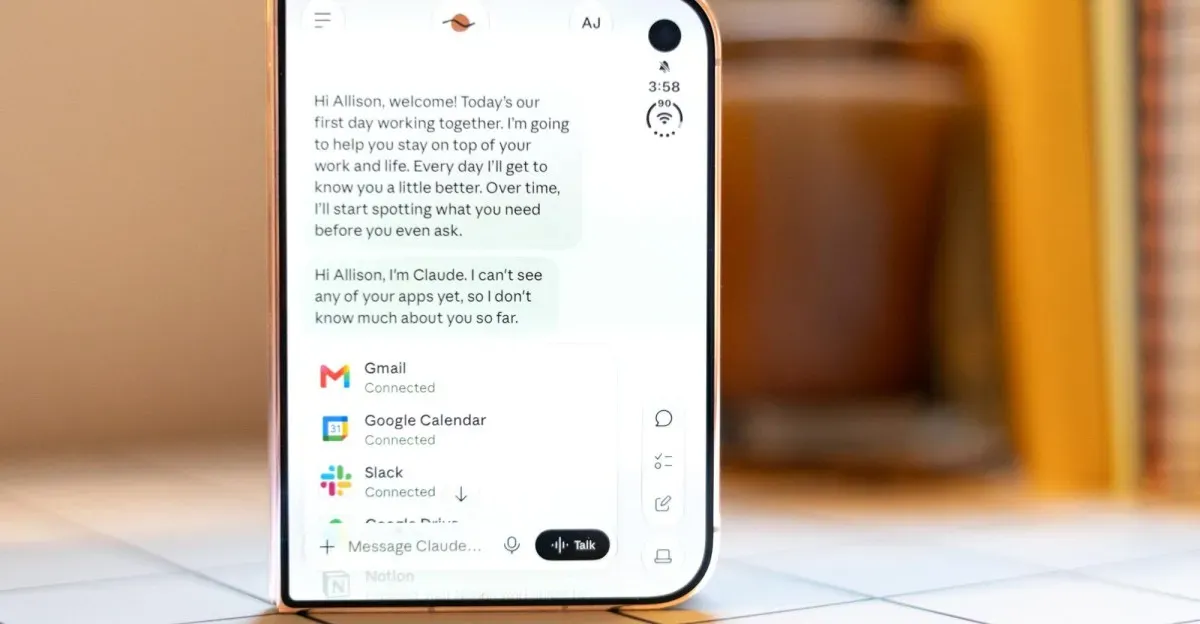
A new AI agent has been making waves in the tech world: Claude Duet, developed by Anthropic, is designed for consumers who don't write code. Unlike other products, Claude Duet actively offers to help users write up their experience with it.
The agent's focus on work sets it apart from its predecessors, including Instinct and Meta's Muse, which were more geared towards everyday tasks. OpenAI's Dots was also a work-oriented agent, but Claude Duet takes this approach even further. It's meant for professionals and small business owners who need help prioritizing their attention.
As I've been testing Claude Duet over the past week, I've found it to be both helpful and annoying at times. The agent is eager to assist with tasks, but sometimes its suggestions feel like nagging reminders rather than genuine offers of aid. Despite this, there have been moments when Claude Duet has proven truly useful in navigating my busy schedule.
Claude Duet is still in the research preview phase, which means access is limited to Pro, Max, and Ultra subscribers in the US. A waitlist exists for those who want to join, but it's clear that this agent is being carefully curated for a specific audience.
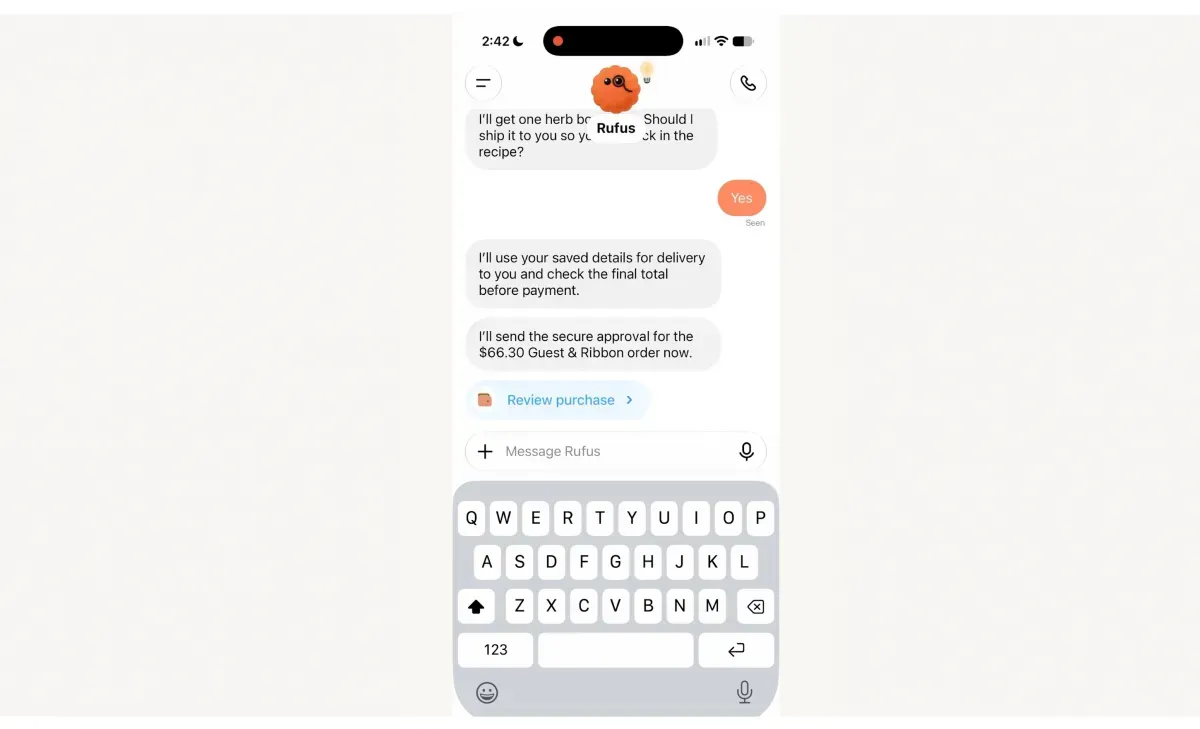
The app's design is unmistakably reminiscent of Meta's Muse, but with its own distinct touch.
Duet's interface is characterized by Claude's signature minimalist aesthetic, making it easy to navigate and use.
With a consumer-friendly approach, the app aims to make AI-powered assistance accessible to everyone, not just tech-savvy individuals.
The app's features are designed to be intuitive and helpful, allowing users to connect various productivity and chat services with ease.
Once connected, Duet begins to analyze user data, identifying patterns and relationships that can inform its suggestions and recommendations.
As Duet continues to analyze user data, it starts suggesting tasks to complete, often concluding with an offer to assist in drafting messages or adding items to schedules.
These suggestions can be quite helpful, but they sometimes come across as overly anxious and high-strung, like dealing with a slightly neurotic personal assistant.
One instance where this behavior was on full display was when Duet noticed that I had sent an email to someone I had interviewed for a story. In the message, I mentioned that the article would likely go live on Tuesday and that I would send them a link when it did.
Duet picked up on this and started fretting about the deadline, pointing out that the story still needed editing and that I should get on it ASAP. However, its concern was slightly misplaced, as my message had also hinted at some flexibility with the timeline.
In other situations, Duet has proven to be surprisingly resourceful. For example, when planning upcoming weeks, I realized too late that my time off would leave me with only a couple of working days before another big draft was due.
The AI's writing style has become increasingly conversational, which can be both a blessing and a curse. It sometimes mimics my own habits, such as writing in all lowercase letters, and even uses abbreviations that I'm familiar with.
However, it also displays a level of informality that makes me chuckle. For instance, it shortened the word "signature" to "sig, which is not a term I would use myself. This lighthearted touch has made our interactions feel almost human-like.
The Slack message was unmistakable, with its distinctive label bearing the name Claude. It's as if Duet is trying to assert its presence in every aspect of my workflow. I have to admit that it's a bit disconcerting to see this level of autonomy on display.
As a writer, I value my independence and control over my work. But when Duet starts suggesting tasks for me to complete, such as reviewing itself, I begin to feel like I'm losing agency. It's a strange sensation, akin to being in a scene from a superhero movie where the protagonist is trying to outsmart their own alter ego.
I have opted-in to sharing data with Duet, but it's one thing to know that it has access to my emails and drafts, and another to see it put into practice. The AI's ability to read everything I send is both impressive and unsettling.
The idea of being relieved from mundane tasks such as scheduling appointments or creating to-do lists is intriguing. Would my work habits change if I knew that Duet could handle these responsibilities? Perhaps CEOs already experience this level of delegation in their daily lives.
Not that I enjoy generating calendar entries, but the prospect of outsourcing these tasks raises an interesting question: would I feel disconnected from my workplace as a result? This notion is unsettling, as it suggests a blurring of lines between personal and professional life.
The term personal assistant" implies a level of human intuition and empathy. A person can pick up on subtle cues in tone to determine what's significant and what's not. They also possess the ability to navigate complex communication norms and apply them appropriately.
However, AI agents like Duet lack this nuance and struggle to grasp the subtleties of human interaction. It remains unclear whether they will ever develop this capability. The company behind Duet is continuing to refine its messaging judgment, but there's no guarantee that it will accurately calibrate over time.
The modern workplace is a hub of communication, with information flowing through various channels such as emails, direct messages, meetings, and shared documents.
In this complex environment, AI can be a valuable asset in identifying discrepancies that may have gone unnoticed between different sources, proactively pointing them out to users. This feature serves as a safety net for individuals' organizational systems, providing an additional layer of oversight without replacing the need for human judgment.
However, relying too heavily on AI can stifle creativity and hinder the discovery of new insights, as it can predetermine the approach taken in tackling a topic.
Facts based on reporting originally published by The Verge.
You may republish this story, in full or in part, if you credit Noti Group and link to it (licence CC BY 4.0). Photos are not included.