






Global Cloud Services Disrupted by Microsoft Outage
Widespread disruptions occurred across multiple services, including email, Teams video conferencing, and cloud-based Windows computers, due to a cascading software issue that left millions of users without access.
Microsoft's global cloud services were severely impacted by a widespread outage on Thursday, affecting various regions around the world, including the U.S. and the Americas initially, but soon spreading globally.
The problems began to unfold as engineers struggled to recover downed servers, with initial reports suggesting that much of the company's systems had been hit by a cascading software issue. The severity of the outage escalated rapidly, causing widespread disruptions across multiple services.
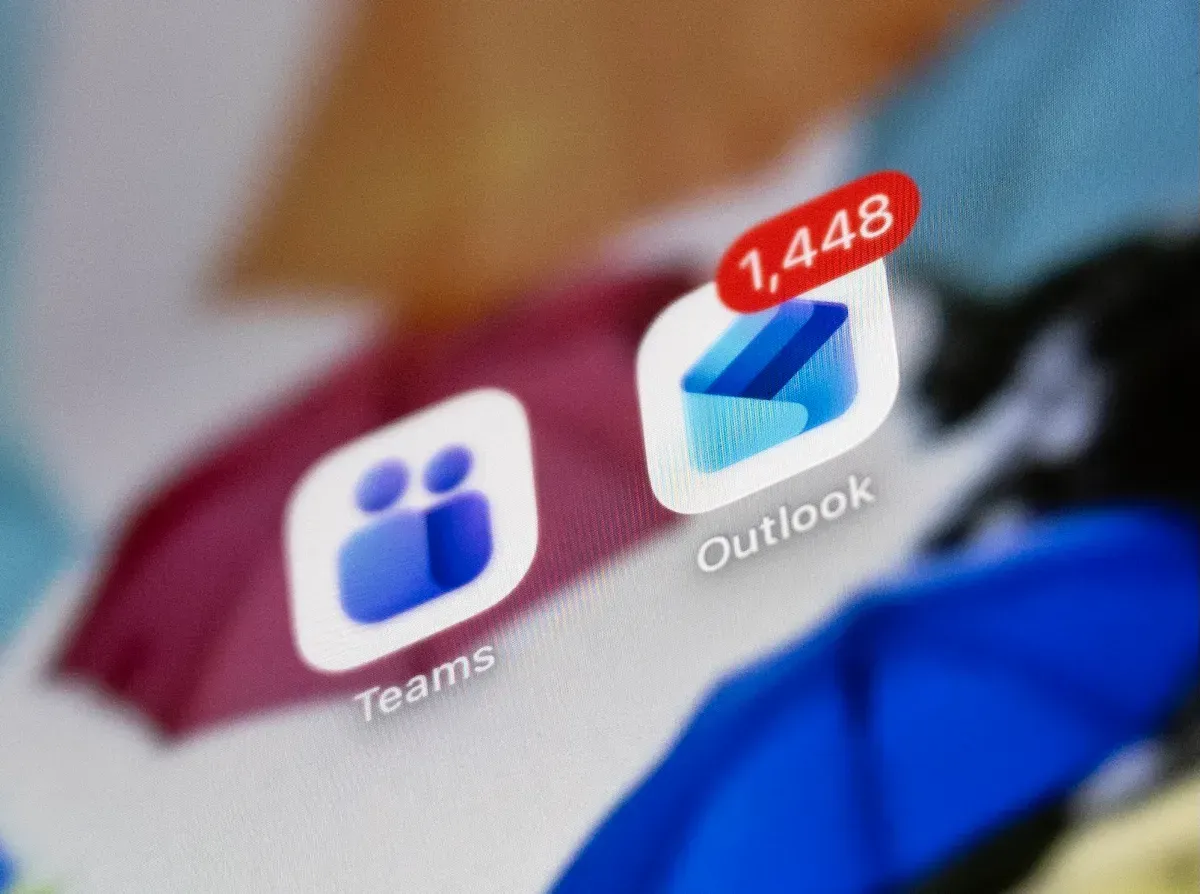
What started as an email and Teams video conferencing outage quickly snowballed into a full-blown crisis, affecting both consumer and business users of Microsoft's cloud services. This included access to email, files, documents, Copilot AI tools, Defender security screening software, and internal Intune dashboards.
System administrators were also unable to access their features, while some users experienced issues with accessing their cloud-based Windows computers. The outage had far-reaching consequences for various industries worldwide, including the technology sector.
The cause of the issue remains unknown, with Microsoft stating that a large number of servers became unexpectedly unavailable. Engineers continue to investigate the root cause of the problem.
Microsoft engineers have been working around the clock to resolve the issue and restore services. As of Friday morning on the U.S. east coast, Outlook email service had begun to recover, with some emails trickling in after initial efforts to find the cause of the server failures proved unsuccessful.
The global cloud crisis sparked by Microsoft's email outage continued to unfold on Friday, as services slowly began to return online. According to Doug Madory, director of internet analysis at Kentik, a company that monitors worldwide internet traffic, traffic was trickling back into Microsoft's systems after nearly 18 hours of downtime.
Microsoft has maintained that there is no evidence of malicious activity associated with the incident, which may offer some reassurance for the millions affected by the outage. However, the company will likely face scrutiny over its inability to quickly recover from the server failures, which were caused by an issue within Microsoft's own systems.
A spokesperson for Microsoft declined to comment on whether the company has implemented measures to detect malicious activity, such as logging capabilities or internal checks. The lack of transparency surrounding these issues is likely to fuel concerns about Microsoft's preparedness and response to similar incidents in the future.
The latest outage follows a major incident in September, when a prolonged outage hit Microsoft's cloud services due to a core authentication configuration issue that prevented users from accessing their accounts.
Microsoft's cloud services experienced a significant disruption due to an authentication issue that affected users worldwide. The outage was particularly severe because it impacted email access, making it difficult for people to communicate and conduct business as usual.
The cause of the problem remains unclear, but experts speculate that it may be related to a configuration error or a security vulnerability in Microsoft's core systems. This incident is the latest in a series of outages that have plagued the tech giant, raising concerns about the reliability and resilience of its cloud infrastructure.
Microsoft has yet to provide a detailed explanation for the outage or outline any concrete steps being taken to prevent similar incidents from happening in the future. The company's silence on the matter has only added to the frustration and anxiety among users who rely heavily on its services.
The latest email outage has dealt a significant blow to Microsoft's reputation, highlighting the need for greater transparency and accountability in managing its cloud services.
Facts based on reporting originally published by TechCrunch.
You may republish this story, in full or in part, if you credit Noti Group and link to it (licence CC BY 4.0). Photos are not included.