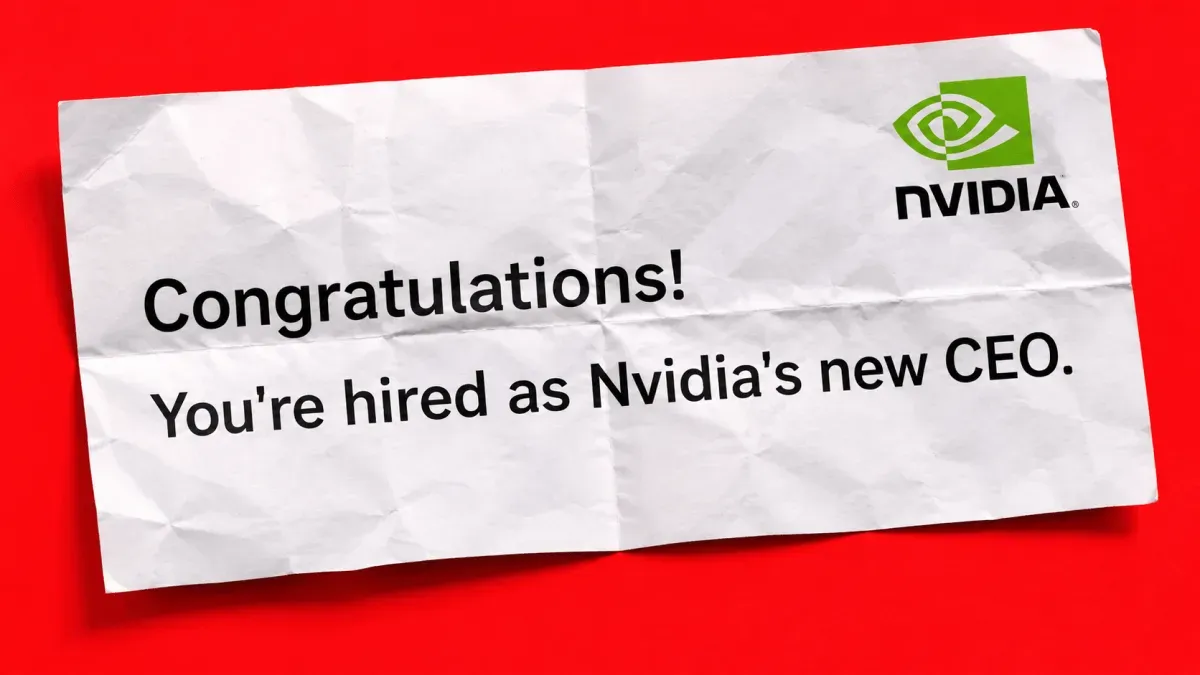




Nvidia CEO Resigns Amid Leadership Crisis in Israel
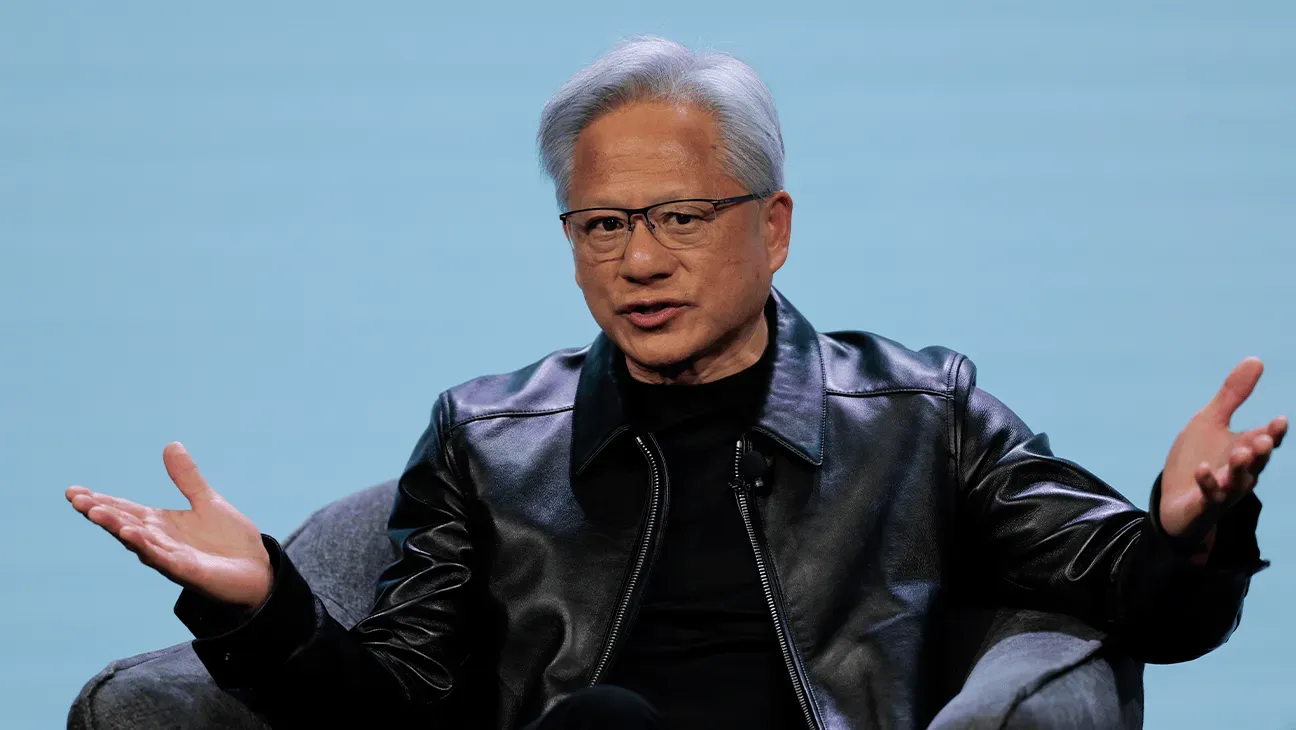
A wave of concern has swept through Israel's tech community following the resignation of Jensen Huang, former CEO of Nvidia, a company that has been instrumental in driving the country's economic growth in recent years.
A wave of concern has swept through Israel's tech community following the resignation of Jensen Huang, former CEO of Nvidia, a company that has been instrumental in driving the country's economic growth in recent years.
Nvidia's influence on Israel extends beyond its workforce of over 6,000 local employees, as the semiconductor giant has played a significant role in shaping the country's R&D landscape. The company's acquisitions and investments have created opportunities for Israeli startups to collaborate with Nvidia's global team.
Huang's leadership at Nvidia saw the company make several strategic moves in Israel, including the $6.9 billion acquisition of Mellanox in 2019. This deal not only expanded Nvidia's presence in the country but also established a major R&D facility outside of the US.
Local tech entrepreneurs are closely watching the leadership crisis at Nvidia, with many wondering how it will impact the company's commitment to Israel. "Jensen brought Nvidia to Israel with the acquisition of Mellanox," said Pavel Gurvich, an Israeli repeat cybersecurity entrepreneur, "so there is a strong positive sentiment towards Nvidia and Jensen in Israel's tech community."
The question on everyone's mind now is whether Nvidia's new leadership will maintain its investment in the country. The company had plans to build a multibillion-dollar campus in northern Israel, which has sparked concerns about the future of these projects under new management.
The turmoil at Nvidia has sent shockwaves through the tech industry, and not just in terms of its leadership. Interim CEO Colette Kress's comments on X have been making the rounds, revealing her daily routine as Nvidia's CFO - starting with meetings in Israel before heading to California.
Kress may not be around for long, but potential successors are already being floated. Two Israelis are among those rumored to be in contention: Apple's Johny Srouji and Nvidia's Michael Kagan. However, their names are not at the top of a list that is still very much tentative.
The uncertainty surrounding Nvidia's leadership may have some investors worried about the company's grip on the tech industry as a whole. But they don't think it will necessarily mean a decline in demand for Nvidia's products. In fact, they believe slower decision-making could create opportunities for competitors to step up their game.
According to Yanai Oron of Vertex Ventures Israel, "slower decisions at Nvidia could give competitors an opening." However, if that uncertainty also leads to reduced spending on AI, it could result in a bigger share of a smaller market. Nvidia has been the dominant player in the global AI industry, with its cash reserves fueling massive investments across the board.
Under Huang's leadership, Nvidia invested heavily in companies and developed next-generation chips. This empire may not be doomed to collapse without its architect at the helm, but it does seem less likely to become a monopoly. According to Adi Levanon of Selah Ventures, "Huang's departure doesn't dismantle Nvidia's technology or ecosystem."
Levanon believes that Huang's exit could actually give competitors more room to shape the future of AI. With Nvidia's grip on the industry potentially loosening, it may be an opportunity for challengers to emerge and try their hand at shaping what comes next.
As global companies increasingly deploy AI agents into their workflows, a growing interest in alternative solutions has emerged. This trend is driving venture capital investments into developers of AI-specific chips and inference software that could potentially rival Nvidia's dominance.
Levanon pointed out that challengers now have an opportunity to prove that a different approach can deliver better economics, noting that a change in leadership alone may not be enough to win over customers.
The surge in demand for more efficient and specialized AI processing hardware has created a window of opportunity for new entrants to the market. This is evident from the increased interest and investment flowing into companies developing cutting-edge AI chips and inference software.
Developers are now faced with the challenge of creating products that can meet the growing demands of businesses, which are increasingly reliant on AI agents to drive their operations forward.
The turmoil at Nvidia is not just a setback for the company's stock price, but also an opportunity for other players in the AI market to step up and fill the gap.
As businesses increasingly rely on AI agents to drive their operations forward, developers are now faced with the challenge of creating products that can meet these growing demands. This has sparked a surge of interest among investors, who see potential in companies that can offer innovative solutions to this problem.
The Nvidia crisis is providing a catalyst for innovation, and it's likely that we'll see new players emerging in the market as a result.
Facts based on reporting originally published by TechCrunch.
You may republish this story, in full or in part, if you credit Noti Group and link to it (licence CC BY 4.0). Photos are not included.