





Groundbreaking Discovery on Role of Fructose in Ovarian Cancer
Research at The Wistar Institute has uncovered a mechanism by which ovarian cancer cells influence nearby tumor cells, even after treatment. This finding suggests that dietary sugar may play a role in cancer progression.
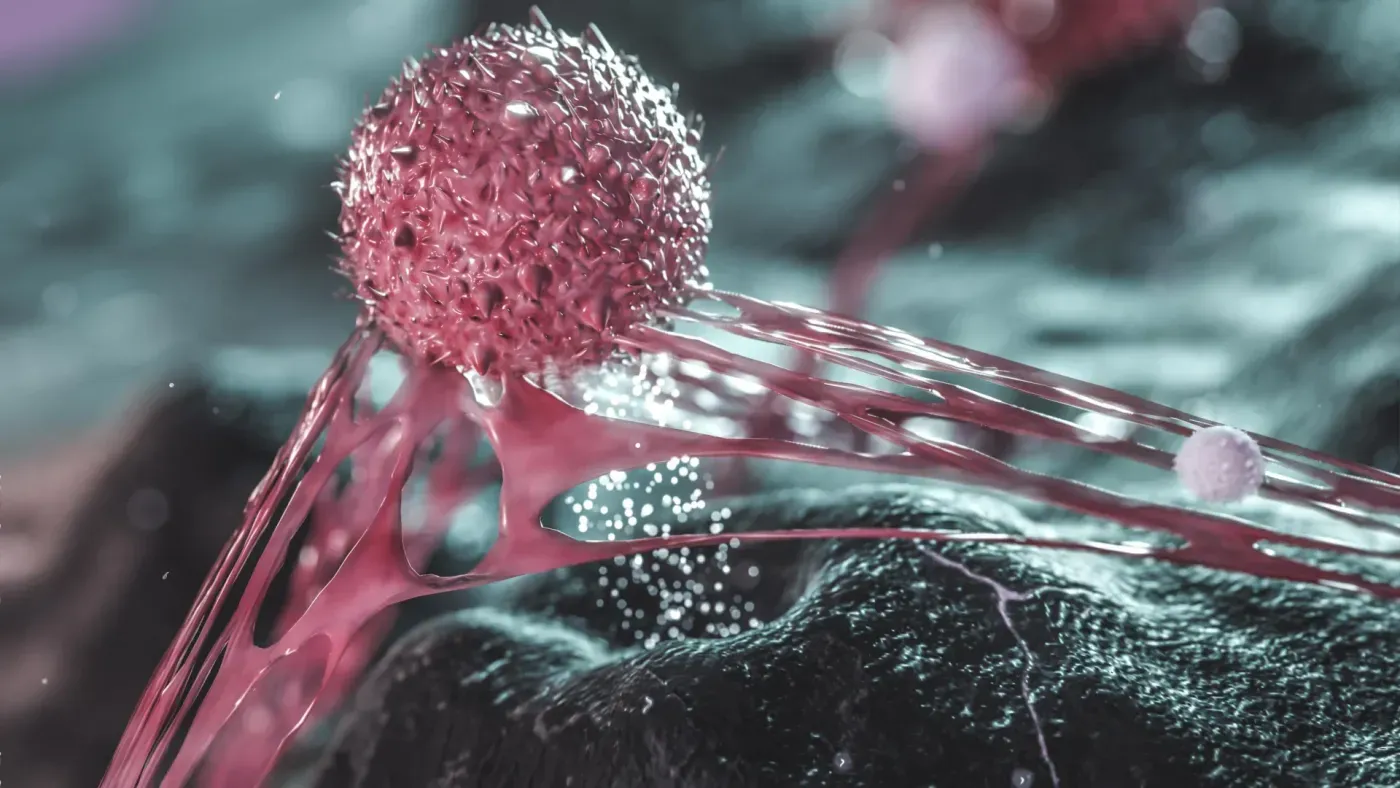
Researchers at The Wistar Institute have made a groundbreaking discovery about the role of fructose in ovarian cancer. According to their findings, aggressive ovarian cancer cells can release fructose, which serves as a signal that prompts nearby tumor cells to break free and spread.
The study reveals a previously unknown mechanism by which cancer cells continue to influence a tumor even after treatment has halted cell division. This finding raises important questions about the potential impact of dietary sugar on cancer progression.
Some surviving cancer cells are biologically active, despite no longer dividing, according to Aidan Cole, Ph.D., postdoctoral fellow in the lab of Katherine Aird, Ph.D. These non-dividing cells release molecules that send signals to nearby cells, and the study shows that a nutrient like fructose can act as one of these signals.
Ovarian cancer often returns after chemotherapy because it frequently spreads throughout the abdominal cavity. Most patients with ovarian cancer initially respond well to platinum-based chemotherapy, which damages DNA and prevents cell reproduction.
The space inside the abdomen contains organs such as the stomach, intestines, and liver, providing a fertile ground for tumor cells to spread and establish new sites of growth.
The process by which cancer cells break free from their original location and establish new tumors is known as metastasis, responsible for approximately 90% of ovarian cancer deaths. This phenomenon has sparked significant interest among researchers seeking to understand the underlying mechanisms.
Previous studies have suggested that cancer cells that survive chemotherapy can continue to influence surrounding cells even when they are no longer actively dividing. These surviving cells produce and release a mixture of substances that can affect the behavior of nearby cells, potentially contributing to recurrence.
Researchers developed an experiment to investigate this process, separating the surviving cancer cells from the molecules they released. The study found that these released substances alone were sufficient to significantly increase cancer spread in a preclinical model.
The next step was to identify which specific substances were responsible for encouraging cancer cells to spread. To their surprise, the researchers discovered that fructose, a naturally occurring sugar found in various foods, played a key role in this process.
Fructose is not only present in fresh fruits and honey but also as a component of table sugar and high fructose corn syrup, commonly used in soft drinks and processed foods.
Cancer cells that have survived chemotherapy treatment can produce and release fructose into their surroundings, where it acts as a chemical messenger.
This messenger encourages neighboring cancer cells to become more capable of spreading, suggesting that fructose plays a role in the process of metastasis. The researchers observed this phenomenon in preclinical experiments involving cancer cells exposed to high amounts of fructose.
Fructose consumption is particularly relevant in countries like the United States, where it can account for up to 20% of daily calorie intake in some individuals, largely due to the widespread use of high fructose corn syrup in processed foods and soft drinks.
The discovery highlights a new mechanism by which diet may influence cancer progression, one that is distinct from other factors known to affect cancer risk. By altering dietary habits, researchers hypothesize that nutritional strategies might eventually become part of efforts to limit cancer spread.
However, more research is needed before specific dietary recommendations can be made, as the findings do not establish a direct causal link between sugar consumption and cancer spread in humans.
The researchers employed a CRISPR screen to study the biological changes involved in cancer cell spread. This sophisticated technique allowed them to systematically examine genes and identify those influencing a particular cellular process.
Fructose was found to suppress cholesterol production in neighboring cancer cells, which is crucial for maintaining connections between cells. Cholesterol plays a vital role throughout the body, serving as an essential component of cell membranes that regulate how cells interact with their environment.
Cell membrane integrity relies on cholesterol, particularly when it comes to holding neighboring cells together. These connections function like biological glue, making it more difficult for cancer cells to detach and spread. However, reduced cholesterol production due to fructose consumption weakens these bonds.
As a result of weakened connections, cancer cells can detach more easily from one another, potentially allowing them to escape and spread to other locations within the body. This discovery offers an explanation for how a common nutrient like fructose may influence the spread of cancer.
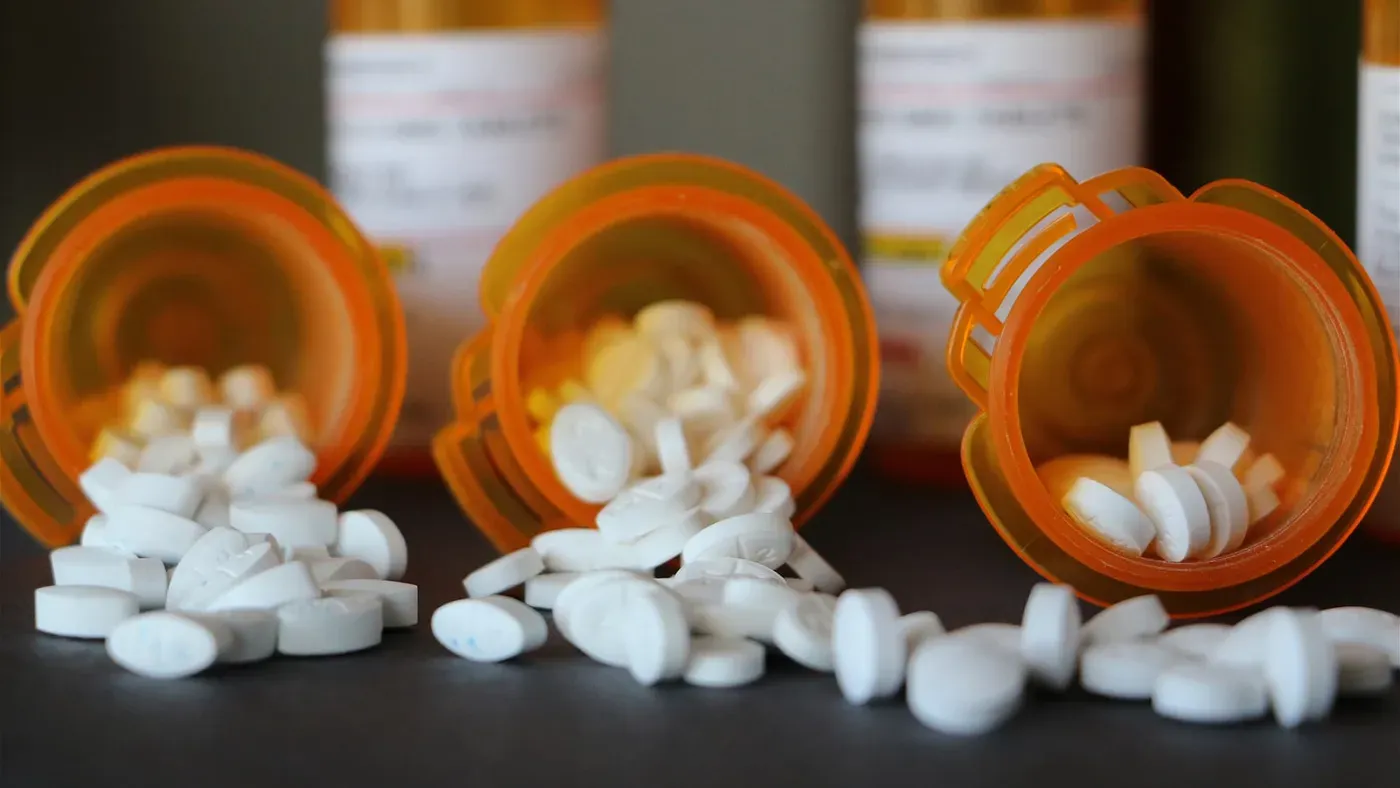
The findings also led researchers to investigate statins, medications prescribed to lower cholesterol levels in millions of people worldwide. Statins work by reducing the body's production of cholesterol, commonly used to prevent heart attacks and strokes, but their relationship to cancer cell spread remains unclear.
The research team behind the study on fructose and cancer cell spread is now looking into the relationship between statins and tumor progression.
Their experiments have revealed that statins alone can weaken the connections between cancer cells, making it easier for them to separate and escape from their original location.
This finding has significant implications for the treatment of ovarian cancer, which often spreads within the abdominal cavity. The researchers are now exploring whether combining cholesterol-lowering medications with chemotherapy could enhance or hinder the effectiveness of treatment in certain situations.
The possibility of statins influencing chemotherapy outcomes is a topic of ongoing investigation. Researchers emphasize that their findings have not been tested in patients and should not be taken as a reason to discontinue prescribed statins without consulting a doctor.
A key aspect of this research is its potential application beyond ovarian cancer. The scientists suspect that the same biological process could occur in other forms of cancer, particularly those affecting organs within the abdominal cavity.
The researchers believe that cancers such as pancreatic, colon, and liver cancer may also be influenced by fructose in a similar way to ovarian cancer. While this is still a hypothesis, it suggests that the discovery could have far-reaching implications for our understanding of cancer biology and treatment options.
The discovery of a common sugar's role in cancer cell behavior has sparked new avenues for research into how cancer spreads.
Researchers have begun designing additional experiments to replicate their findings in various types of cancers, including pancreatic, colon, and liver cancer. This further investigation could provide valuable insights into the complex relationship between nutrients, cholesterol production, and cancer cell behavior.
The identification of fructose as a signal that helps cancer cells break free and spread may lead researchers toward new strategies for preventing metastasis and improving cancer treatment options.
Facts based on reporting originally published by ScienceDaily Health.
You may republish this story, in full or in part, if you credit Noti Group and link to it (licence CC BY 4.0). Photos are not included.