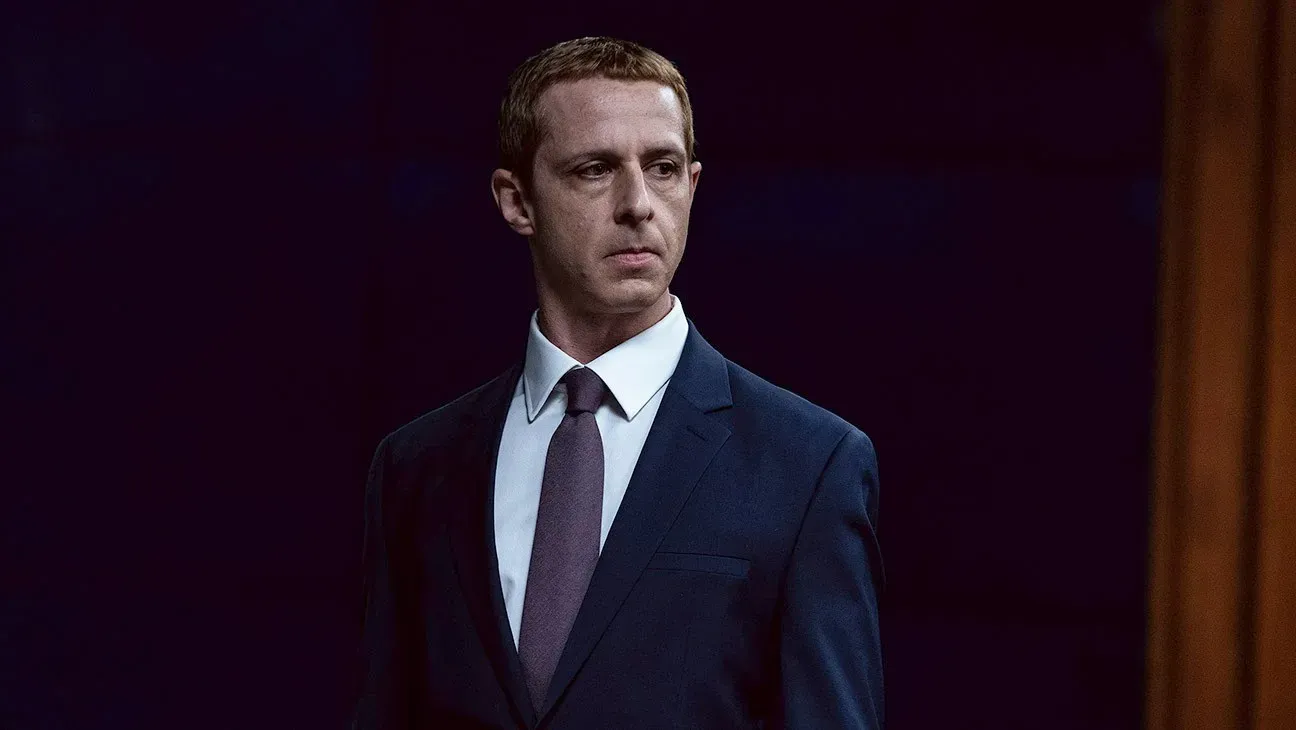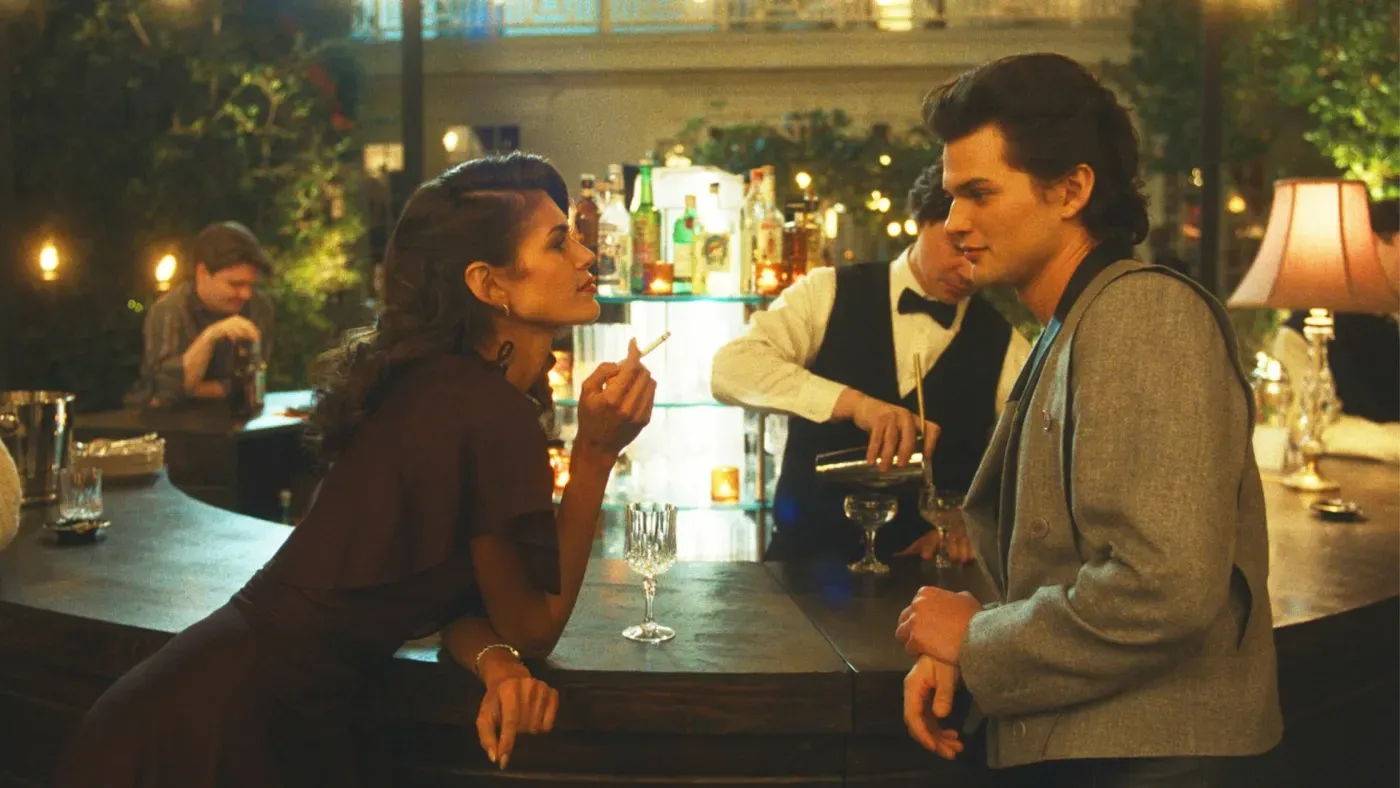

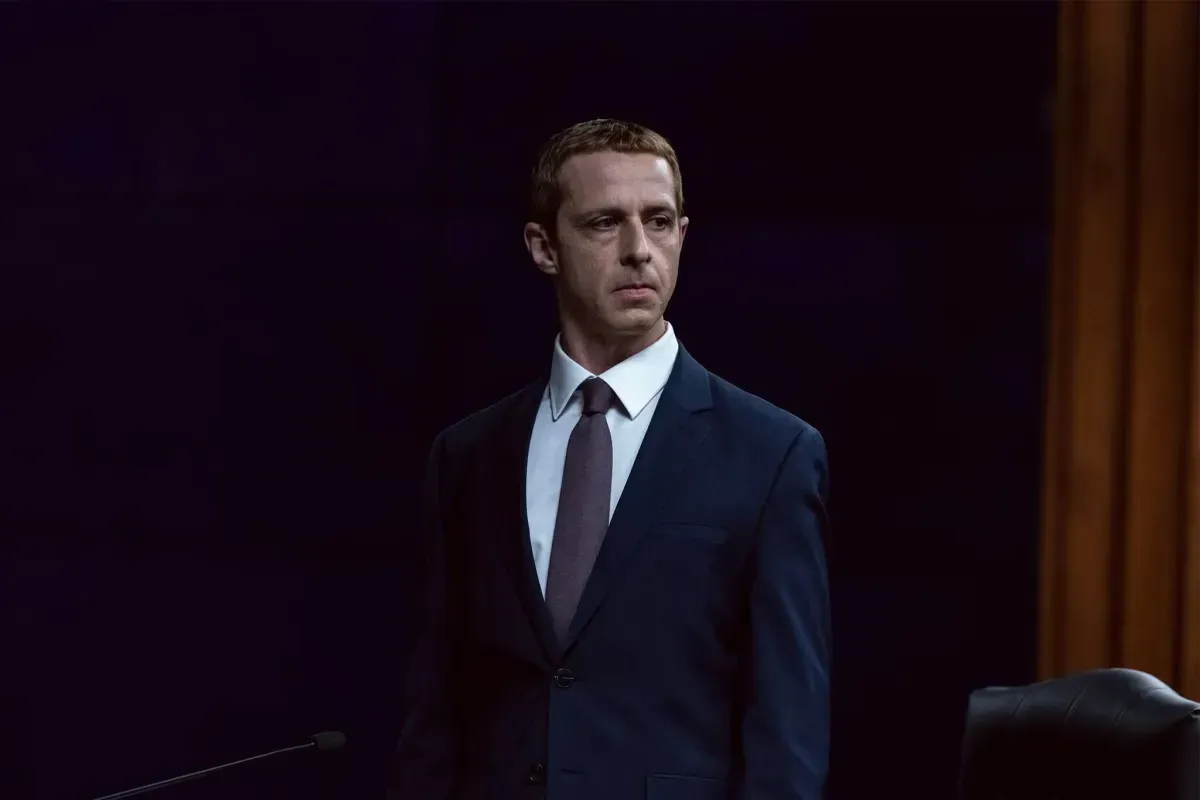




Midnight Mass Actress Samantha Sloyan Discusses Portraying Complex Characters
Samantha Sloyan has made a career out of playing characters that elicit strong reactions from audiences, and she wears it like a badge of honor.

Samantha Sloyan has made a career out of playing characters that elicit strong reactions from audiences, and she wears it like a badge of honor.
Her portrayal of Beverly "Bev Keane in Netflix's horror miniseries Midnight Mass is a prime example, with viewers expressing their distaste for the character through online vitriol. Sloyan acknowledges this backlash but sees it as a sign that her performance resonated deeply with audiences.
She notes that people's intense dislike of Bev often stems from personal experiences or connections to similar characters in their own lives, making the reaction feel more intimate and meaningful. This level of investment in a character is something Sloyan strives for in her performances.
Sloyan's ability to tap into the complexities of her characters has earned her praise from those who work with her, including Midnight Mass creator Mike Flanagan. He praises her gift for committing fully to the perspective of the character she's playing, even if that means portraying a villain.
For Sloyan, it's not about making audiences love her characters; rather, she seeks to make them believe in and understand their motivations. This approach often leads to unexpected sympathy for characters who might otherwise be seen as irredeemable.
As an actress, Sloyan has faced criticism from fans before, particularly during her time on Grey's Anatomy. Her character, Dr. Penelope Penny Blake, was a doctor involved in the storyline surrounding Patrick Dempsey's departure from the show.
Sloyan still laughs about the backlash she received for her role in Grey's Anatomy. She defends her character by pointing out that the medical staff were following protocol and didn't intentionally withhold information from Derek Shepherd's loved ones.
Despite the criticism, Sloyan sees her job as an actress as bringing characters to life in a way that resonates with audiences. She believes that this connection is what makes her performances impactful and memorable.
Samantha Sloyan's commitment to her craft has earned her a reputation for delivering nuanced and complex performances, often leaving audiences with strong reactions, whether it's love or hate.
Samantha Sloyan has taken on a new role in the TV reimagining of Stephen King's classic novel Carrie, where she plays Margaret White, one of horror's most infamous matriarchs.
The Prime Video series marks another collaboration between Sloyan and writer-director Mike Flanagan, who also directed her in The Fall of the House of Usher, The Midnight Club, and The Haunting of Hill House. In this reimagining, Margaret is portrayed as a fiercely protective mother who loves her daughter and will stop at nothing to shield her from harm.
In contrast to previous screen versions of Margaret White, which depicted her as a more sinister character, Flanagan's take presents her as a loving parent driven by a desire to protect her child. Sloyan notes that this portrayal is entirely different from what audiences may be familiar with.
Margaret's actions in the series are motivated by her love for Carrie and her determination to shield her from bullying and cruelty. However, as she becomes more involved in her daughter's life, she also starts to get charmed by the insidious nature of her actions.
The Prime Video series offers a fresh take on the classic novel, with Summer H. Howell playing the titular character Carrie. Sloyan's performance as Margaret has been praised by Flanagan, who notes that she is able to convey both strength and vulnerability in her portrayal of the character.
Flanagan says that he was only interested in casting Sloyan for the role of Margaret because of her unique ability to communicate complex emotions on screen. He praises her ability to convey a sense of strength and vulnerability at the same time, which he believes is essential for bringing this version of Margaret to life.
Sloyan has worked with Flanagan multiple times before, and she credits him with creating a sense of security and familiarity in an industry that can often feel nomadic. She notes that having a creative home like Flanagan's team is a rare luxury in the entertainment industry.
Flanagan's upcoming Exorcist film will also feature Sloyan in a small role, marking another collaboration between the two artists.
Margaret White's character in the Carrie series is a complex one, marked by a deep-seated love for her daughter that underpins her seemingly cruel nature.
When discussing Margaret, actress Samantha Sloyan mentions the iconic portrayal of the character in the original book and film, describing Margaret as a snarling, foaming beast who views Carrie as a personification of sin.
However, Sloyan reveals that Mike Flanagan's approach to the character was different, focusing on the idea that Margaret loves her daughter, which is a departure from the typical portrayal of Margaret as an abusive and cruel mother.
This shift in perspective allows for a more nuanced understanding of Margaret's actions, particularly when contrasted with Carrie's own trauma and awareness of her situation. The two characters are depicted as being born out of different experiences, with Margaret's love and fear influencing her behavior.
The show also explores the loss of Margaret's husband, who is described as someone consumed by conspiracy theories and a life of fear. Without him, Margaret is left to navigate a new reality that is marked by a sense of vulnerability and uncertainty.
Sloyan notes that Margaret's internal struggle is particularly evident in the aftermath of her husband's passing, as she grapples with learning to let go of the fears that have been instilled in her.
The dynamic between Margaret and Carrie is deeply rooted in their relationship, which is portrayed as a complex mix of love, hope, and trust. This is particularly evident in the show's depiction of the cult-like atmosphere within their household.
Sloyan's portrayal of Margaret has been shaped by Flanagan's vision for the character, which emphasizes the complexity of her emotions and motivations. By focusing on Margaret's love for Carrie, Sloyan brings a new level of depth to the character that sets her apart from previous portrayals.
The show's exploration of Margaret's inner world is a key aspect of its narrative, allowing viewers to gain insight into the motivations behind her actions and the impact they have on those around her.
Margaret's transformation from a grieving mother to a force to be reckoned with is a pivotal aspect of the show's narrative. Her inner world is explored in detail, revealing the motivations behind her actions and their impact on those around her.
The use of plaid as a visual motif is a deliberate choice, symbolizing Margaret's shift from a softer, more vulnerable persona to a more militaristic and assertive one. This transformation is reflected in both her clothing choices and her behavior.
Tammy Joe, the show's wardrobe designer, played a key role in creating Margaret's look, which evolves from a casual, at-home style to something more armored and protective. The plaid shirt, which has become an iconic part of Margaret's character, was chosen for its symbolism as well as its aesthetic appeal.
Margaret's decision to take matters into her own hands after Carrie opens up about her bullying is a significant departure from the original character's persona. This new direction adds depth and nuance to Margaret's character, highlighting her capacity for love and protection.
As Margaret becomes more involved in Carrie's life, she begins to put herself out there, using social media as a tool to advocate for her daughter. This shift from hiding to exposing herself is a powerful statement about the lengths she will go to protect those she loves.
Margaret's willingness to take on this new role is driven by her love and ferocity towards Carrie. Her initial response to Carrie's desire to avoid school, saying Oh, honey, I don't want you to either," sets the stage for her later actions.
This moment serves as a turning point in Margaret's character development, marking a declaration of war against the forces that threaten her daughter. She chooses to use social media as a weapon, employing the tactics she has learned from Ralph.
The insidious nature of social media proves to be a seductive force for Margaret, who becomes increasingly charmed by its power and potential. This aspect of her character adds complexity to her portrayal, highlighting the blurred lines between love and obsession.
Margaret's actions are motivated by a desire to protect Carrie, but they also raise questions about the impact of social media on individuals and society as a whole. The show's exploration of these themes adds depth and relevance to its narrative.
As Margaret becomes more entrenched in her online persona, she begins to lose sight of what is real and what is not. This blurring of lines between reality and virtual reality creates tension and raises questions about the consequences of her actions.
The show's portrayal of Margaret's transformation serves as a commentary on the ways in which social media can both unite and isolate individuals. Her journey highlights the complexities of online interactions and the need for empathy and understanding in the digital age.
Margaret's outspoken advocacy for decency and truth in the school auditorium raises questions about her moral compass. Is it driven by a desire to protect her daughter, honor her husband, or follow a religious intent? Her actions suggest a complex mix of motivations.
The portrayal of Margaret as a horror figure is intentional, highlighting the genuine fear that people experience during active shooter drills. This aspect of the show allows viewers to see the reality of these events through fresh eyes, rather than becoming desensitized to them. Margaret's character taps into this horror by questioning why such tragedies continue to occur despite being widely known.
Margaret's behavior towards other children is notably cruel, but her actions also suggest a twisted understanding of parental love and the prerogative of prioritizing one's child above all else. This dynamic is central to her character and informs her motivations throughout the story.
The show explores the theme of Margaret using religion as a tool for control, particularly with regards to forced prayer. Her appropriation of religious values serves to further isolate and punish those around her. In contrast, other characters in the show embody acceptance, love, and interest, qualities that are notably absent from Margaret's actions.
Margaret's relationship with control is a key aspect of her character development. Throughout the story, she struggles with feelings of losing, taking, and relinquishing control. This dynamic is particularly pronounced in her interactions with her daughter Carrie.
As the narrative unfolds, it becomes clear that Margaret feels out of control. Her sense of panic and denial are palpable as she tries to navigate an uncertain future for her daughter. The inciting event sets off a chain reaction, forcing Margaret to confront the reality of losing control.
Margaret's illusion of control is rooted in her desire to dictate Carrie's path in life. However, this plan is ultimately unworkable, and the character is left reeling from the consequences of her actions. Her denial and inability to adapt to changing circumstances are hallmarks of her character's flaws.
The show's portrayal of Margaret highlights the fragility of human control. Despite our best efforts to dictate outcomes, we are ultimately at the mercy of circumstance. This theme is a recurring one throughout the narrative, as characters struggle to come to terms with their own limitations.
Margaret's actions serve as a stark reminder of the darker aspects of human nature. Her use of fear and manipulation to control those around her underscores the complexity of her character.
The complexities of Margaret's character are multifaceted and open to interpretation, leaving audiences pondering what drives her ultimate fear.
Margaret's dual nature as both a fearful mother and someone who possesses Carrie's abilities adds depth to the narrative, raising questions about the motivations behind her actions and emotions. By exploring this dynamic, the series challenges viewers to consider the blurred lines between protection and manipulation.
Facts based on reporting originally published by The Hollywood Reporter.
You may republish this story, in full or in part, if you credit Noti Group and link to it (licence CC BY 4.0). Photos are not included.