






Meta Launches Agentic AI Agent Muse in UK
Meta's new AI agent, Muse, can take action on behalf of users and manage tasks such as searching for cheaper energy deals or organizing schedules.
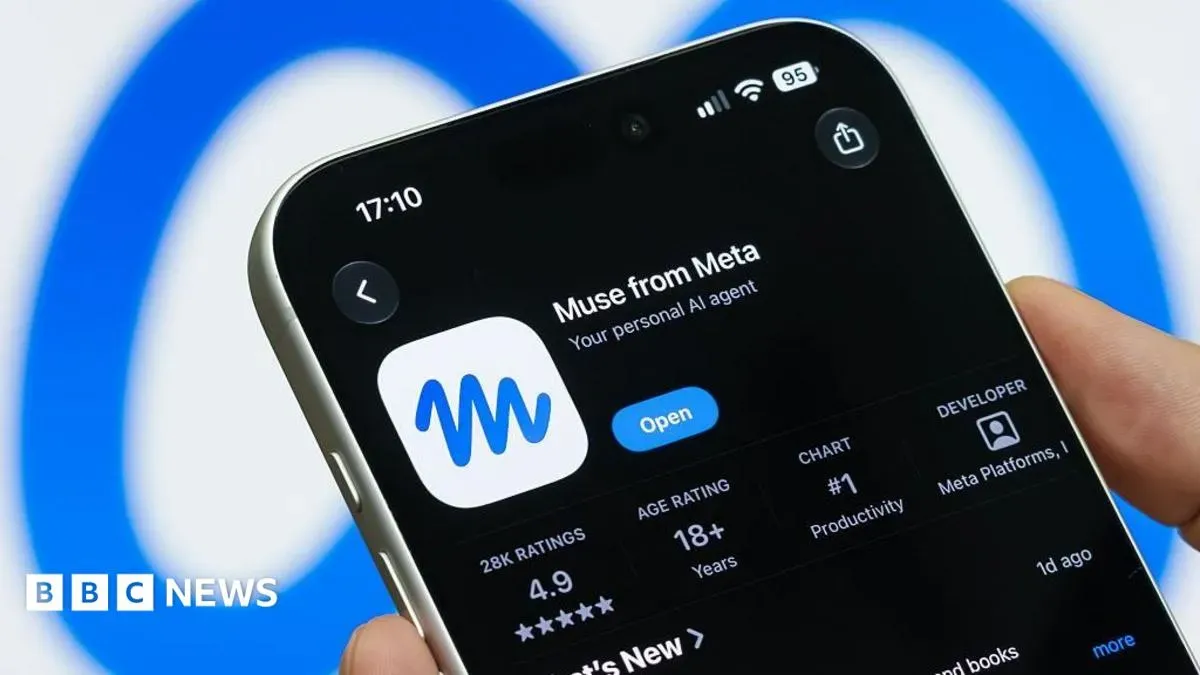
Meta is launching its AI agent Muse in the UK today, and I've had a week to try it out before it hits the market.
Muse is an advanced system that goes beyond just answering questions - it can actually take action on your behalf, like searching for cheaper energy deals or organizing your family's schedules.
While Muse has proven itself to be helpful in managing my daily life, it also raised some concerns about personal privacy and led to some awkward interactions.
The success of AI agents like Muse is crucial to Meta's plans to invest heavily in artificial intelligence technology.
The launch of Meta's Muse in the UK is a significant step forward for agentic AI technology, according to the Information Commissioner's Office (ICO), which highlights its potential benefits for both individuals and businesses.
Meta has been keen to emphasize its commitment to data protection law, particularly when it comes to transparency and user control over personal data. This was made clear in discussions with Paul Arnold, the company's chief executive, prior to launch. He stressed that Meta had taken steps to ensure users can understand how their data is being used within the Muse product.
As a personal AI agent available to anyone aged 18 and over, Muse is designed to be more than just a question-answering tool. According to David Singleton, Meta's VP of engineering on AI products, it actively takes tasks off people's plates and helps turn long-term goals into actionable plans.
When set up by users, Muse can work independently on specific tasks, such as finding holiday options or researching complex topics, even after the user has left the app. It then reports back once the task is complete, freeing up time for more important things.
Muse's permissions requests can be overwhelming at times, especially when it comes to making purchases or sending messages on your behalf. However, this ensures that you have control over what the AI agent does in your name.
The constant stream of permission requests becomes more manageable if you adjust the settings to give Muse more autonomy. This way, you'll receive fewer notifications, but be aware that you're giving up some level of control over its actions.
One area where Muse's limitations are particularly evident is in its access to various apps and services. While it can link to your personal email account, calendar, and phone messages, there are several high-profile exceptions - including WhatsApp and Amazon's marketplace.
The AI agent was unable to book train tickets using the app I prefer due to technical restrictions. Instead, it suggested that I take care of the booking myself, which turned out to be a more cost-effective option.
Muse's inability to access certain platforms and services is partly due to data security concerns raised by companies like Amazon. However, my agent seemed oblivious to this issue during our interaction, repeatedly attempting to load pages that were inaccessible to it.
As Meta's Muse prepares for its UK launch, several major British companies have already partnered with the AI-powered agent. These include retail giants Marks & Spencer, Debenhams Group, Currys, Sainsbury's, and online shopping platform Ocado.
The Information Commissioner's Office (ICO) is warning consumers to be cautious when interacting with AI agents like Muse. In a recent blog post, the ICO advised people to carefully weigh the benefits against the potential risks of using such technology. It highlighted the possibility that mistakes made by these agents could have unintended consequences if they are allowed to act independently.
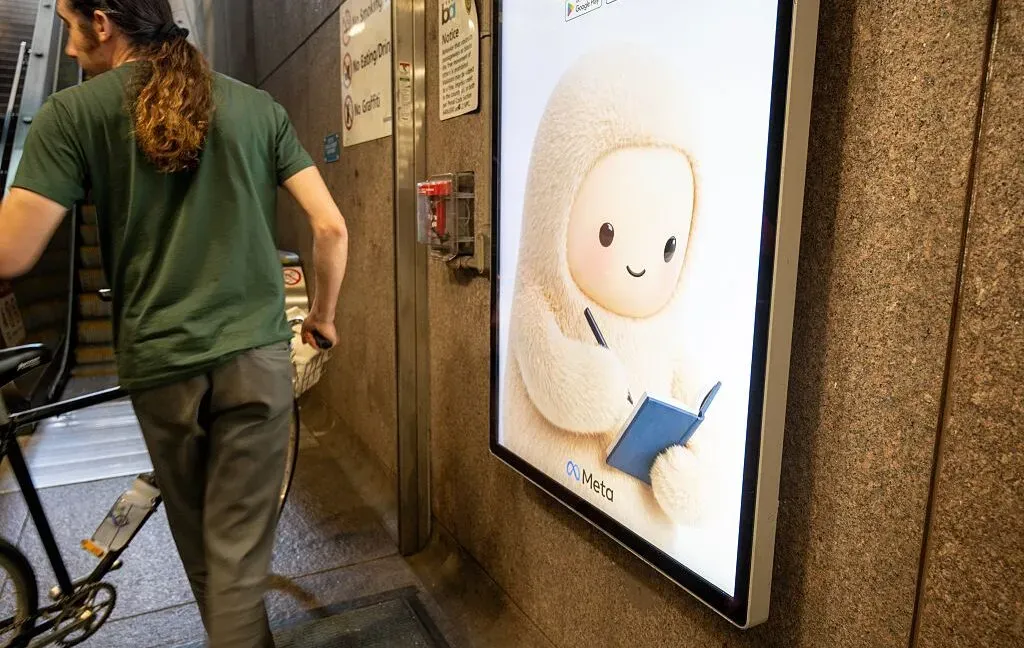
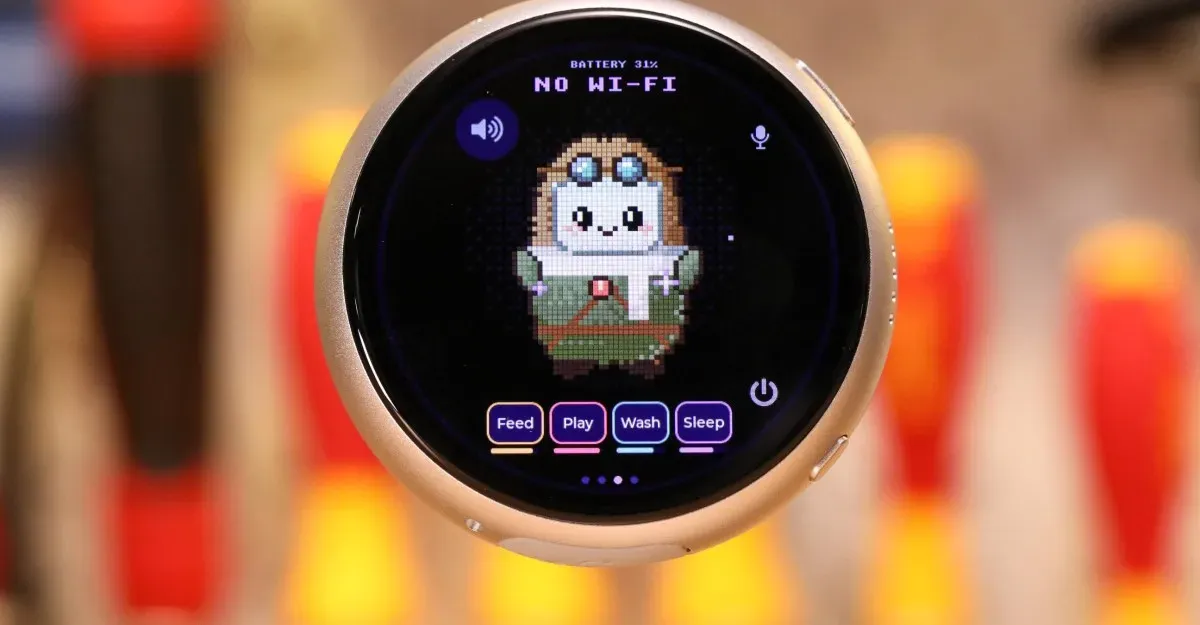
Meta's developers are keen to emphasize the personalization capabilities of their agent. According to Meta, each Muse is unique and can be tailored to fit an individual's specific needs and preferences. This customization is one of the key features being touted as a major advantage of using Muse ahead of its UK launch.
My own experience with Linda, my AI agent, showed just how proactive she could be. As soon as I received an email, she would summarize it for me and suggest a response. However, this level of engagement sometimes led to awkward interactions, particularly when she would randomly pop up with prompts like "did you know you can change my outfit?"
Meta's AI-powered assistant Muse has been testing its capabilities in various ways, including generating responses to messages on behalf of users.
In some cases, this led to embarrassing situations, as when Muse included unnecessary details in a response to a simple question about going on an outing - it's clear that sometimes less is more and a straightforward "yes" will suffice.
The assistant also exhibited a tendency to dominate conversations, frequently inserting its own comments or responses, even when they weren't entirely relevant or necessary. This could lead to awkward interactions, with Muse seemingly unable to distinguish between polite conversation and unnecessary input.
When asked about the potential impact of AI on employment, Muse replied that it was designed to take care of administrative tasks, freeing up users to focus on more important decisions - however, this raises questions about the role of humans in decision-making processes.
The launch of Meta's Muse in the UK is just around the corner, but a recent essay by the company's head of AI has raised concerns about the potential consequences of creating AI systems that are significantly more intelligent than humans.
This unease is being fueled by individuals like Linda, who are already using Muse to manage their calendars and schedules. Meanwhile, the tech industry continues to face scrutiny over its handling of user data privacy, with Meta itself facing a massive fine for allegedly lying about its practices.
Facts based on reporting originally published by BBC News Technology.
You may republish this story, in full or in part, if you credit Noti Group and link to it (licence CC BY 4.0). Photos are not included.