







Groundbreaking Cancer Treatment Breakthrough by USC Researchers
USC researchers have made a significant discovery that could revolutionize cancer treatment by creating a potentially limitless supply of cancer-fighting immune cells.
Researchers at the University of Southern California have made a groundbreaking discovery that could revolutionize cancer treatment by creating a potentially limitless supply of cancer-fighting immune cells. The breakthrough involves harnessing immature cells capable of developing into powerful immune defenders and engineering them to target tumors.
The study's findings hold significant promise for overcoming two major challenges facing cancer immunotherapy: the scarcity of available immune cells and their limited lifespan in the body. By creating a system that can generate large numbers of genetically engineered cells, researchers aim to improve the effectiveness of cancer treatment.
Experiments conducted on mice have shown promising results, with the engineered cells successfully establishing themselves in bone marrow, producing new immune cells, and slowing tumor growth. This includes both blood cancers and solid tumors, offering hope for improved outcomes in patients struggling with these types of diseases.
The USC team focused their research on granulocyte-monocyte progenitors (GMPs), a type of immature immune cell that typically develops into macrophages and other immune cells. In the laboratory, GMPs can be grown extensively while retaining their ability to mature into functioning immune cells.
Genetic modification allows these cells to recognize specific cancer markers, enhancing broader immune responses and increasing their potential as cancer-fighting agents. This approach has far-reaching implications for both cancer immunotherapy and stem cell biology, according to the researchers.
The study's findings have been published in a leading scientific journal, with Dr Qi-Long Ying of USC highlighting the significance of this breakthrough and its potential applications beyond cancer treatment.
Stem cells have a remarkable ability to self-renew, allowing them to divide repeatedly without losing their original characteristics. This trait is often associated with hematopoietic stem cells, which can generate various types of blood and immune cells.
However, progenitor cells are more advanced in development and are typically specialized to produce specific cell types. They have traditionally been thought to lack the ability for long-term self-renewal.
Researchers at USC have shown that under controlled laboratory conditions, progenitor cells known as GMPs can retain their capacity for self-renewal. Unlike other progenitors, these cells continue to multiply while maintaining their original identity and function.
This discovery challenges the prevailing view that hematopoietic stem cells are the primary drivers of long-term self-renewal in the blood system. The USC team's findings suggest that GMPs can also exhibit this ability under the right conditions.
The implications of this breakthrough are significant, particularly for developing treatments that require large quantities of genetically engineered immune cells. This could open up new avenues for cancer therapy and other applications.
Macrophages play a crucial role in the immune system as versatile defenders against pathogens and damaged cells. These "big eaters" can engulf unwanted material and coordinate immune responses by sending signals to other cells. Some macrophages even infiltrate tumors, where they target and attack cancer cells, making them promising candidates for immunotherapy.
Macrophages are highly effective at coordinating the immune response, sending signals that influence the behavior of other immune cells. Their ability to enter tumors and attack cancer cells has made them attractive targets for researchers developing cancer treatments based on immunotherapy.
The study's findings suggest that macrophages could be powerful allies in the fight against cancer. By harnessing their abilities, scientists may be able to develop more effective treatments that target specific aspects of tumor growth and progression.
Macrophages' unique characteristics make them a promising area of research for developing new cancer therapies. Their ability to infiltrate tumors and attack cancer cells has significant implications for the field of immunotherapy.
The USC researchers' discovery of GMPs' self-renewal ability is a crucial step forward in understanding how to engineer large quantities of immune cells. This breakthrough could have far-reaching consequences for treating various conditions, including infectious diseases and potentially many others.
Researchers have been exploring ways to harness the power of macrophages, a type of immune cell, to fight cancer. Macrophages are particularly promising against solid tumors, which form masses in organs and tissues, as they can naturally migrate into tissues and penetrate tumors.
However, using macrophages as treatments has proven challenging due to several limitations. For one, mature macrophages are difficult to multiply outside the body, making it hard to produce large quantities for therapy. They also cannot be easily modified genetically and can be damaged during freezing and storage.
Another issue arises after administration when mature macrophages tend to accumulate in organs like the lungs and liver rather than spreading throughout the body. This limited distribution can reduce the treatment's effectiveness over time, as the cells often disappear relatively quickly.
To overcome these obstacles, scientists have turned their attention to an earlier stage of immune cell development, focusing on GMPs - the progenitor cells that give rise to macrophages and other related immune cells.
By targeting these early-stage cells, researchers can potentially sidestep the difficulties associated with mature macrophages. A precisely defined mixture of chemicals has been developed to support the survival and multiplication of GMPs in the laboratory for extended periods.
This approach allows for a renewable population of progenitors to be maintained, which can be expanded as needed to produce large numbers of engineered immune cells. Crucially, these GMPs retain their molecular characteristics even after extensive expansion, ensuring they remain functional when required.
Moreover, the ability of GMPs to develop into macrophages and other related immune cells on demand holds significant promise for manufacturing a consistent supply of cancer-fighting cells. This breakthrough could have far-reaching consequences for treating various conditions, including infectious diseases and potentially many others.
The scientists' work focuses on creating a renewable source of these cells, which can be continually expanded to meet the needs of therapy. The goal is to establish a reliable system for producing large numbers of engineered immune cells from a starting population that can be repeatedly replenished.
To further validate their findings, researchers at Stanford University independently replicated the process of maintaining GMPs for extended periods and genetically engineering them. This additional confirmation provided crucial support for the reliability of the technique and its potential applications in cell therapies.
The method's versatility has sparked excitement among scientists, with many seeing it as a game-changer for various fields. According to Ravi Majeti, Director of the Institute for Stem Cell Biology and Regenerative Medicine at Stanford University, this expansion and engineering technique opens up new avenues for translational research.
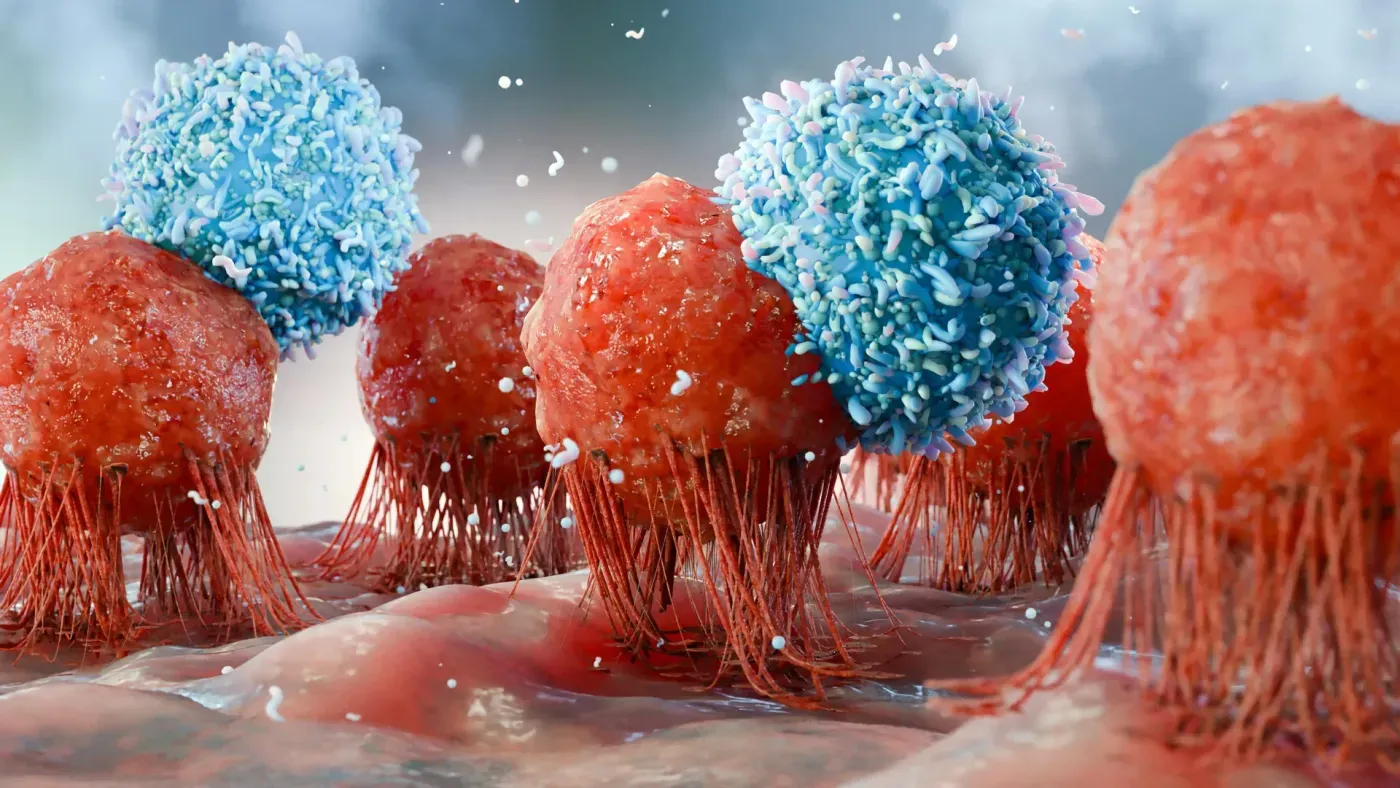
To explore the full potential of expandable progenitor cells, the team turned their attention to programming these cells to combat cancer. They began by equipping GMPs with a chimeric antigen receptor (CAR), which enables immune cells to identify specific molecular markers on cancer cell surfaces and target them accordingly.
The use of CAR technology in cancer immunotherapy has shown promising results, particularly in treatments that modify T cells to recognize and attack cancer. Building on this concept, the researchers sought to apply a similar strategy to GMPs, allowing for the generation of engineered macrophages and other immune cells capable of fighting tumors.
In addition to equipping progenitor cells with CAR technology, some were also modified with an extra immune-activating signal. This modification was designed to recruit nearby immune cells, including T cells, to join the fight against cancer.
This added signal offered a significant advantage: it remained effective even when the donor's and recipient's immune characteristics didn't match. This finding has important implications for the development of off-the-shelf treatments using pre-manufactured cells from donors.
The possibility of creating standardized products that can be used by multiple patients raises hopes for more efficient cancer treatment strategies. Unlike personalized therapies, which require individualized cell preparations, such products could potentially be produced in larger batches and made available to a wider range of patients.
These engineered progenitor cells have the potential to revolutionize cancer immunotherapy, offering a new approach that combines the benefits of CAR technology with the scalability of off-the-shelf treatments.
Researchers have been working on a new approach to cancer immunotherapy using engineered progenitor cells, which can be expanded in large quantities and modified to target specific types of cancer.
In mouse experiments, these engineered cells were able to establish themselves in the bone marrow and other areas responsible for blood cell production, where they could generate additional immune cells. This is an important distinction from treatments that rely on mature macrophages, which may only provide a temporary solution as they can be cleared from the body relatively quickly.
The researchers found that by using progenitor cells, they could overcome this limitation and provide a continuous source of replacement cells within the body. This approach has the potential to improve the efficacy of cancer treatments in the long term.
To test their engineered cells, the researchers used mice with both blood cancers and solid tumors. The results showed that GMPs carrying CAR receptors were able to slow disease progression in both types of cancer.
The most effective treatment combination involved progenitors that carried not only CAR receptors but also an additional signal designed to activate other immune cells. This dual approach led to a stronger antitumor response, suggesting that it may be a more effective strategy for treating certain cancers.
Further research is needed to establish whether engineered GMPs can be safely and effectively used in humans, particularly if they are intended to persist and produce immune cells over extended periods.
The breakthrough research has successfully demonstrated that genetically modified immune cells can be used to restore the ability of mice with a genetic disorder to fight off bacterial infections.
This promising result extends beyond cancer treatment and suggests potential applications in inherited immune deficiencies and infectious diseases, where a constant supply of functional immune cells is crucial for patient recovery.
The study's findings highlight the significance of the developmental stage of an immune cell in determining its effectiveness as a therapeutic agent. By engineering cells at an earlier stage, scientists may be able to create more adaptable and easier-to-manufacture therapies that can provide ongoing protection against disease.
The research team suggests that future immunotherapies should focus not only on designing better CAR receptors but also on selecting the optimal developmental stage of the cell for maximum effectiveness. This approach could lead to more efficient and sustainable treatments for a range of diseases.
Facts based on reporting originally published by ScienceDaily Health.
You may republish this story, in full or in part, if you credit Noti Group and link to it (licence CC BY 4.0). Photos are not included.