








Global alert issued over potential cyber threat to millions of websites worldwide
Websites are shutting down as a precautionary measure due to vulnerabilities found in PHP programming language.
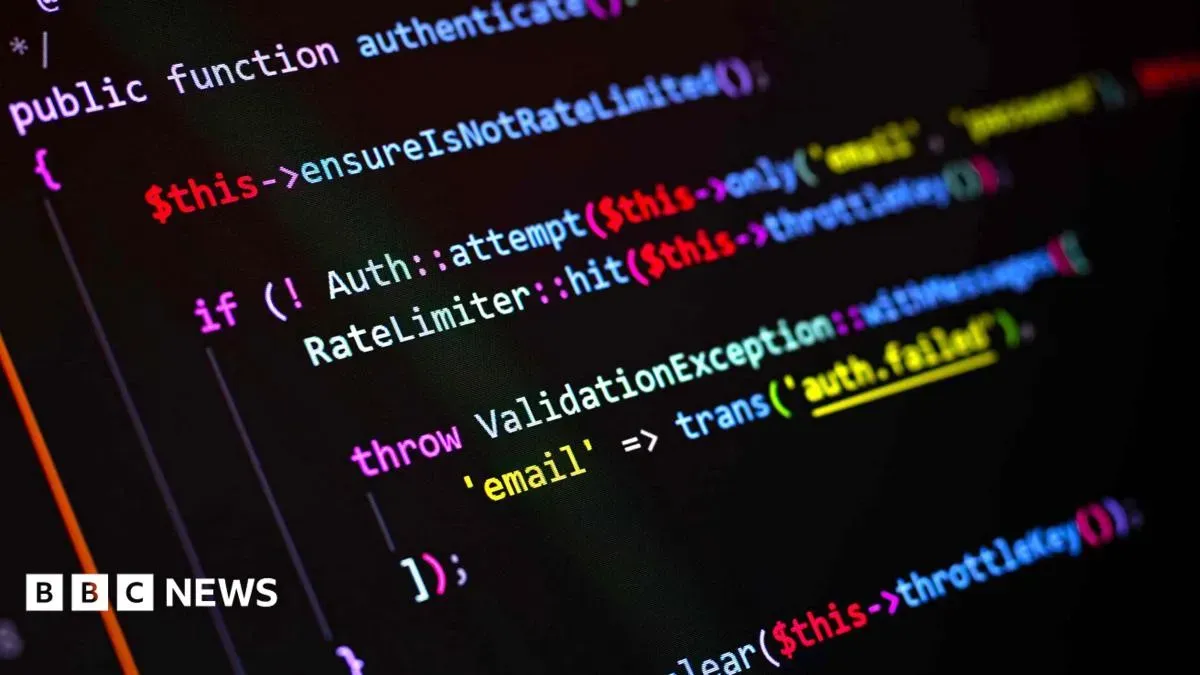
A global alert has been issued over a potential cyber threat that could compromise millions of websites worldwide.
The warning comes from vulnerabilities found in PHP, a programming language widely used to power online platforms.
Websites have begun taking precautions by temporarily shutting down as a precautionary measure, with some already offline.
The move is unprecedented, but experts say it's a necessary step given the potential consequences of an attack.
PHP's widespread use means that even well-defended sites could be at risk if exploited.
A recent open letter signed by 100 tech companies called for increased cyber resilience in the face of rising AI threats.
This warning now appears to have been taken seriously, with websites taking proactive steps to mitigate potential damage.
The fact that vulnerabilities had been quietly present in PHP for years has raised concerns about their long-term impact.
Cyber security experts say exploiting these weaknesses is a complex task, requiring significant resources and expertise.
One researcher who attempted to test the vulnerabilities found it difficult to do so, highlighting the challenge ahead.
The rapid advancement of artificial intelligence has made it increasingly easier to detect vulnerabilities in complex systems, such as programming languages like PHP.
This has been evident in the recent discovery of several flaws in PHP, which have been exploited by researchers using AI-powered tools. The tech industry's reliance on AI for bug detection and patching is a double-edged sword, allowing for swift identification and resolution of security issues but also potentially alerting malicious actors to the same vulnerabilities.
The PHP foundation has issued a fix to address the flaws, but the news was leaked before it could be implemented across all affected sites. This has created a dilemma for those responsible for disseminating information about the patches, as they must balance warning users with the risk of informing potential attackers.
As millions of attempts have been made to exploit the vulnerabilities by large web companies like Cloudflare and Palo Alto Networks, experts are left wondering whether any malicious activity has succeeded in using these flaws. The affected companies may not be aware yet, making it difficult to determine the extent of any attacks.
For now, the unexploded bomb of a potential cyberattack remains intact, with some experts viewing this as a success due to the swift identification and patching of the vulnerabilities by AI-powered tools.
The swift identification and patching of vulnerabilities in PHP by AI-powered tools has been hailed as a success, but experts warn that this may not be the end of the story.
This is because cyber attackers can also utilize AI to exploit weaknesses, making it essential for website owners to remain vigilant. Cyber security authorities are urging immediate action to fix the identified vulnerabilities, but there's a catch - the patch only works on the latest version of PHP, so older sites will need to upgrade first.
The update poses a significant challenge for many websites, requiring substantial repair work that may be beyond the capabilities of some developers. Those who rely on web development services are advised to reach out to their service providers and request prompt attention to this pressing issue.
Ultimately, the patching of vulnerabilities in PHP serves as a stark reminder of the ongoing cat-and-mouse game between cyber security experts and malicious actors in the digital realm.
Facts based on reporting originally published by BBC News Technology.
You may republish this story, in full or in part, if you credit Noti Group and link to it (licence CC BY 4.0). Photos are not included.