
Tesla to Sell Autonomous Two-Seater Vehicle by End of Year
Tesla has announced that it will begin selling its Cybercab, an autonomous two-seater vehicle without a steering wheel or traditional controls, to customers by the end of this year.
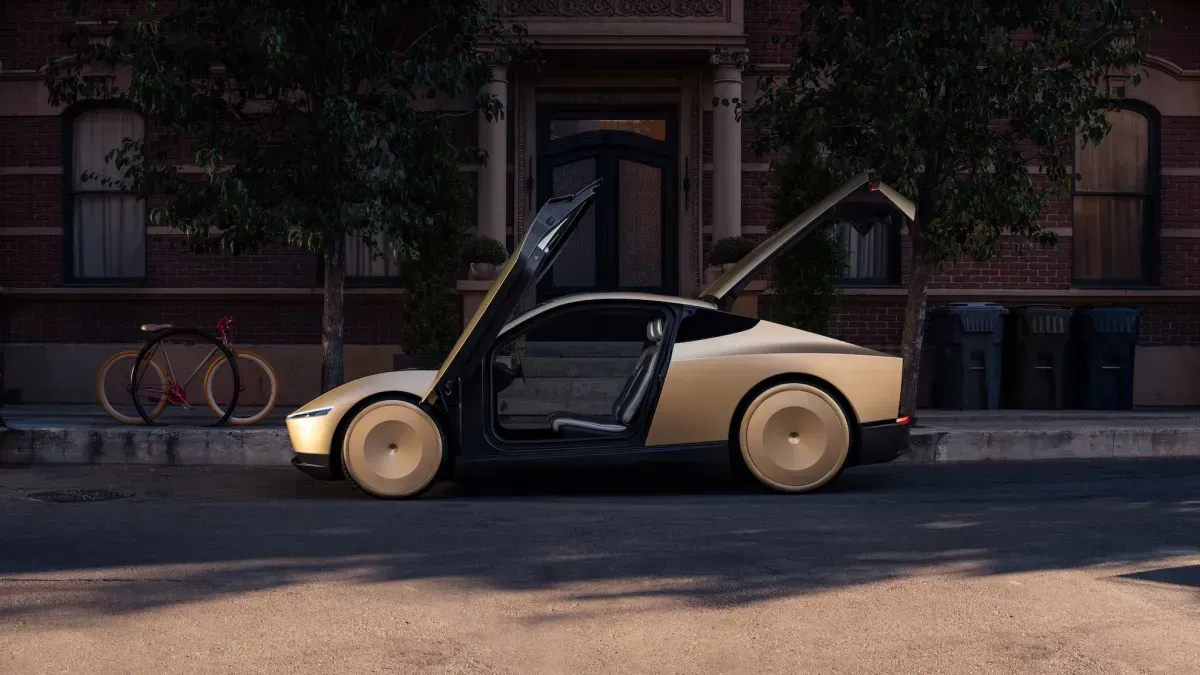
Tesla has announced that it will begin selling its Cybercab, an autonomous two-seater vehicle without a steering wheel or traditional controls, to customers by the end of this year. This decision comes despite ongoing investigations into whether the vehicle meets US vehicle safety standards.
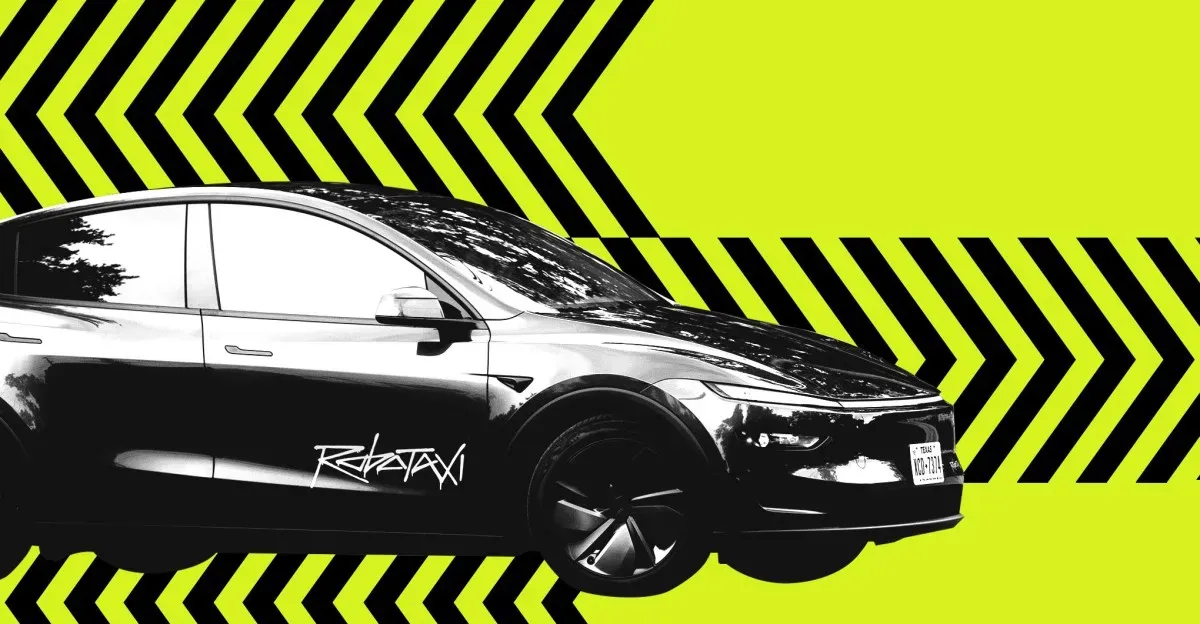
In Tesla's third-quarter earnings call, Lars Moravy, vice president of engineering, revealed that all Cybercabs currently in production are destined for the company's own robotaxi fleet. However, as the fleet grows, Tesla plans to start delivering fully designed autonomous vehicles to customers on a small scale.
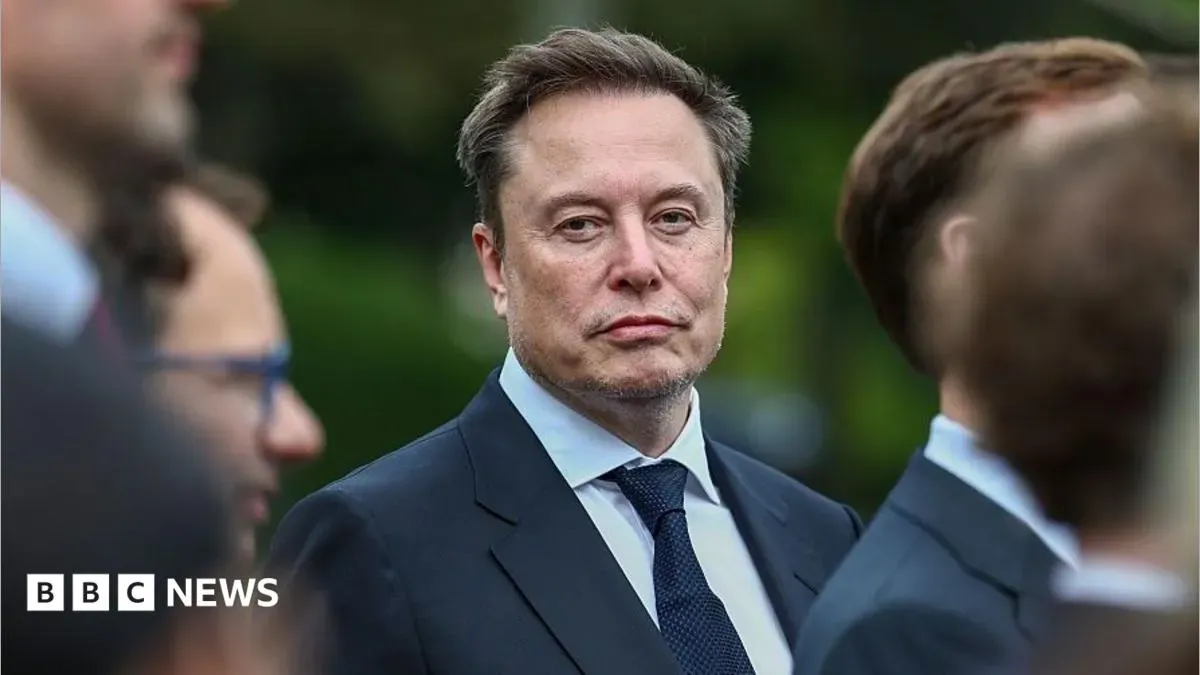
The move marks a significant shift from earlier plans by CEO Elon Musk to turn privately owned Tesla vehicles into self-driving taxis through a software update. Now, it appears that Tesla is focusing on building a massive fleet of low-cost robotaxis from scratch, with the Cybercab being a key component.
Tesla first floated the idea of selling autonomous vehicles to third parties last month at its Cybercab event in Austin and even created an online form for those interested in buying robotaxis. While details about the sales process are still scarce, it's clear that Tesla is moving forward with plans to offer the Cybercab to customers.
Tesla's Full Self-Driving (FSD) capabilities continue to evolve through software updates, but drivers are still required to remain engaged and ready to take control, despite some users pushing the limits of this rule.
The company is working towards a fully autonomous version of FSD, which would allow vehicles to operate without human intervention. However, Tesla's timeline for rolling out this feature has been delayed once again, with Musk stating that it will be available in the second quarter of next year.
This means that third-party fleet customers may gain access to the autonomous Cybercab before Tesla owners can enjoy the same capability in their own vehicles. The timing of these events could potentially create a discrepancy between how different groups of users experience and interact with FSD.
The Cybercab is being designed as a ride-hailing vehicle, rather than a car for personal ownership. This approach aligns with Musk's vision for the vehicle's primary use case, which he described on a recent call as "transport as a service".
Tesla plans to own and operate most of the Cybercabs, making them available for passengers through its network, while also potentially allowing third-party fleets to offer the vehicles as part of their services.
The regulatory hurdles facing Tesla's Cybercab fleet plans have just gotten more complicated. The National Highway Traffic Safety Administration (NHTSA) has launched an investigation into the Cybercab, which began operating on public streets in Austin mere hours after its launch.
At issue is whether the Cybercab complies with Federal Motor Vehicle Safety Standards (FMVSS), which require manual controls such as brake pedals and other features like rearview and side mirrors. Historically, automakers have self-certified their vehicles' compliance with these standards, but Tesla followed suit in this case.
Current regulations are not tailored to accommodate vehicles without manual controls, although the Department of Transportation has proposed revising these requirements for autonomously driven vehicles. In the meantime, NHTSA will scrutinize the Cybercab's certification process and technical data.
The outcome of this investigation could have far-reaching implications for Tesla and others seeking to operate autonomous vehicles like the Cybercab. If found non-compliant, the Cybercab may not be legally permitted on public roads until regulatory issues are resolved.
Tesla's plans to offer the Cybercab as part of its network, as well as potentially allowing third-party fleets to offer the vehicle, could also be impacted by this investigation.
The investigation into Tesla's Autopilot system has far-reaching implications for the electric vehicle manufacturer's plans to offer its Cybercab as part of its network. This could potentially allow third-party fleets to offer the vehicle as well, but it remains unclear how this will be affected by the ongoing probe.
Tesla's business model relies heavily on its advanced driver-assistance systems, and any disruptions to these plans could have significant consequences for the company's growth and expansion. The investigation is likely to continue in the coming weeks and months, with Tesla facing mounting pressure to address concerns about the safety and reliability of its Autopilot technology.
Facts based on reporting originally published by TechCrunch.
You may republish this story, in full or in part, if you credit Noti Group and link to it (licence CC BY 4.0). Photos are not included.