Tesla Sets Deadline for Autonomous Robotaxis
Tesla has set a deadline of Q2 2027 for customers to add their vehicles to the company's robotaxi fleet.
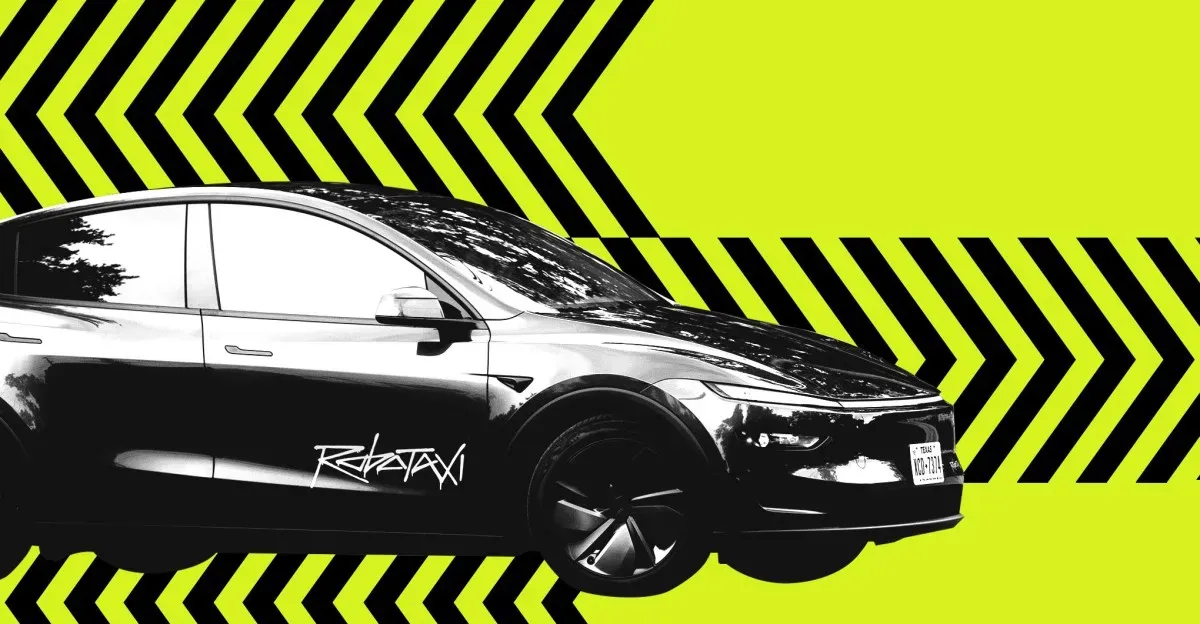
Tesla has been making ambitious promises to its owners about unsupervised autonomous driving and the ability to add their vehicles to the company's robotaxi fleet for several years now. On a recent earnings call, the company finally gave itself a specific deadline to meet this goal.
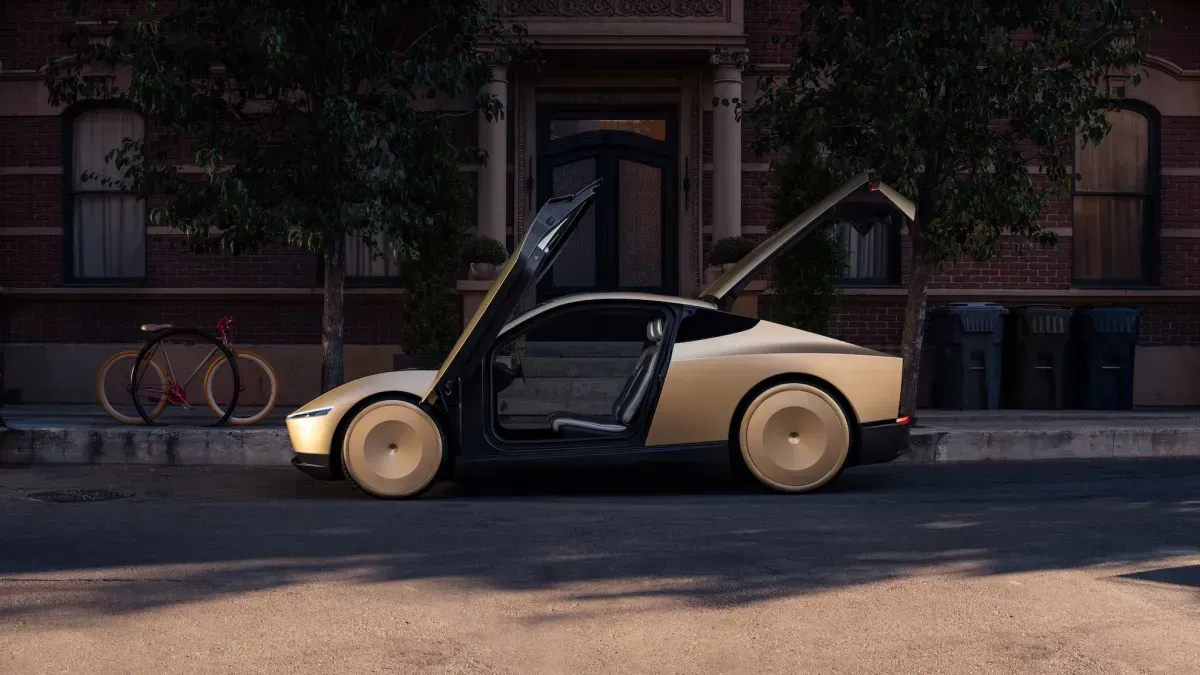
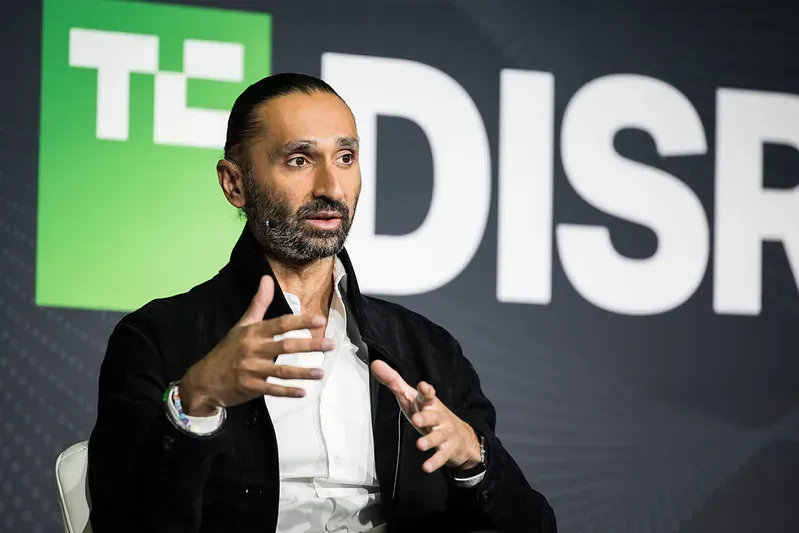
According to Ashok Elluswamy, Tesla's Vice President of Autonomous Driving, customers will be able to add their own vehicles to the robotaxi fleet in the second quarter of 2027. This development is significant because it would allow multiple Tesla owners to share their vehicles for ride-hailing services, essentially turning them into a shared transportation resource.
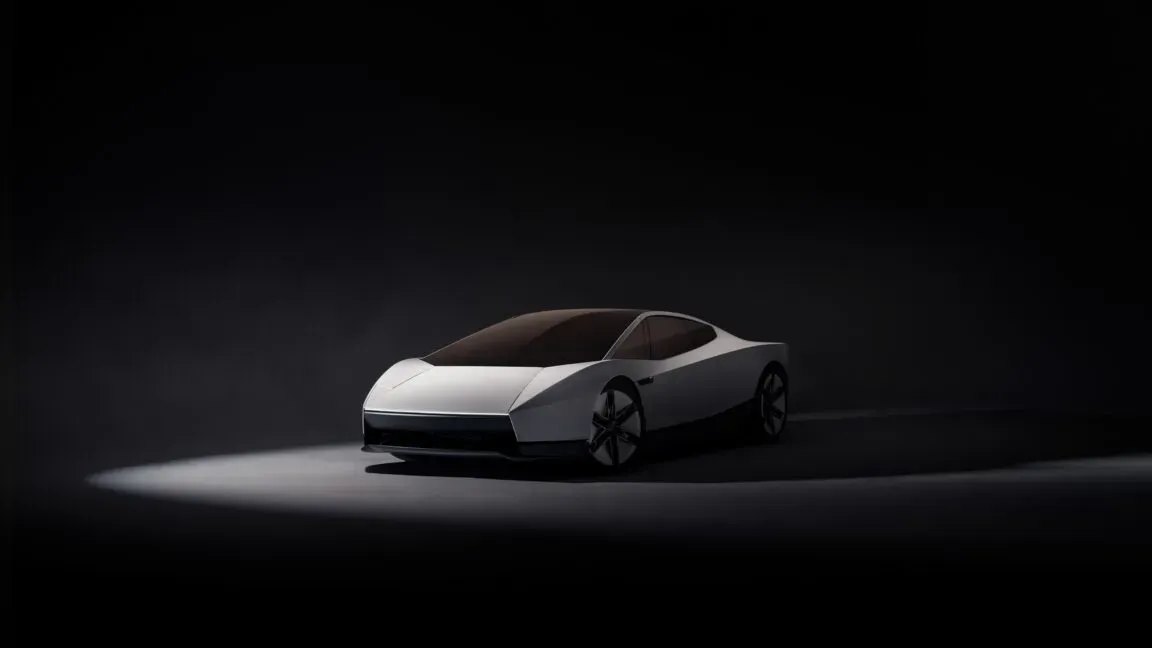
To make this happen, Elluswamy explained that the software used in Tesla's Cybercabs and Model Y vehicles will be made available to customers as part of the V15 release. However, there is one additional requirement: the customer's vehicle must be able to participate in Tesla's geofencing system and fleet management, which enables fully autonomous operation.
Tesla owners will need to ensure their vehicles meet these requirements before they can join the robotaxi fleet. The company has set a deadline for this to happen in Q2 2027, but its history of missed deadlines on similar promises raises questions about whether it will be met.
While Tesla's plans are ambitious, the company's track record with autonomous driving and robotaxis suggests that delays may be inevitable.
Tesla's autonomous driving technology has been making steady progress in recent times, albeit at a slow pace. The company's consumer driver-assistance features have seen incremental improvements, bringing it closer to its long-term goal of "unsupervised" Full Self-Driving.
The concept of the Tesla Network, where customer-owned vehicles can be used as robotaxis, earning their owners passive income while driving autonomously, was first introduced in 2019. Elon Musk envisioned a scenario similar to Uber or Airbnb, where owners could monetize their vehicles by offering them for hire. However, this promise remains unfulfilled.
Despite the slow progress, Tesla has made some strides in its robotaxi ambitions. In Texas and Florida, there are several hundred Robotaxis on the road, with human safety monitors still present in some of these vehicles. Meanwhile, Austin is home to a fleet of fully driverless Cybercabs, although their numbers are limited.
The growth of Full Self-Driving (Supervised) has been one bright spot for Tesla this quarter. According to recent data, over 75 percent of new buyers in North America opted for the feature, marking a significant jump from the previous quarter. This trend suggests that customers are increasingly interested in Tesla's autonomous driving technology, even if the company is yet to meet its ambitious targets.
According to Tesla's latest update, the company has reached a significant milestone in its autonomous driving technology, having logged over 3 million miles of unsupervised driving. This marks a substantial increase from July, when it reported 380,000 miles driven autonomously.
Despite this progress, there are still major regulatory challenges that need to be addressed before Tesla can open up its robotaxi fleet to customer-owned vehicles. This includes obtaining specific permits at the local and state level for unsupervised autonomous ride-hailing services, as well as securing insurance coverage.
Moreover, in most places, it is currently illegal for individuals or companies to use their own self-driving cars as driverless taxis or passenger rides. Additionally, there are technical limitations that need to be overcome, particularly with regards to older Tesla models and consumer vehicles, which require additional software layers to guarantee safety without human intervention.
Facts based on reporting originally published by The Verge.
You may republish this story, in full or in part, if you credit Noti Group and link to it (licence CC BY 4.0). Photos are not included.