








European Food Supply Chain Hit with Wave of Cyber-Attacks
A wave of cyber-attacks has hit Europe's food supply chain, affecting businesses in the UK and several other countries.
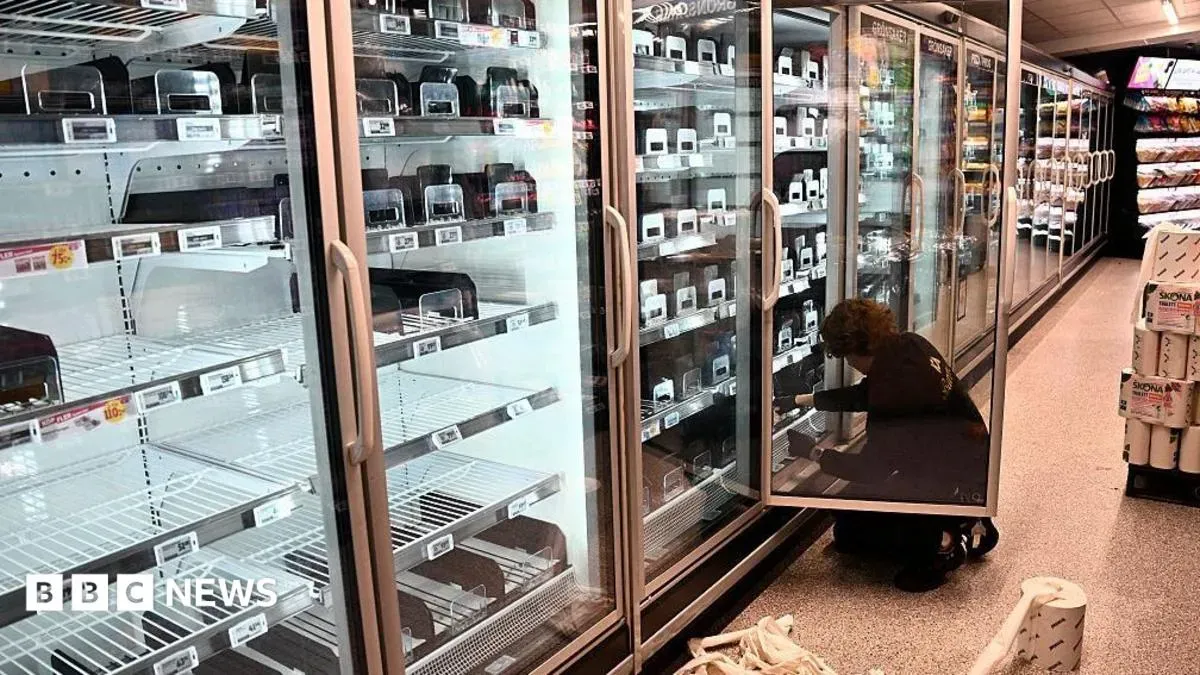
A wave of cyber-attacks has hit Europe's food supply chain, affecting businesses in the UK. The attacks targeted supermarket fridges and freezers across several countries, including Ireland, Sweden, Estonia, and Belgium, causing temperatures to rise.
The National Cyber Security Centre (NCSC) has confirmed that it is aware of instances where vulnerable technology was exploited in the UK. In response, the NCSC worked through the night to alert potentially affected organisations, taking swift action to mitigate potential damage.
Some members of the British Association of Independent Meat Suppliers (AIMS) have been caught up in the attacks, with Tony Goodger, head of communications at AIMS, warning that businesses in the food industry must remain vigilant. "None who have been affected have lost any meat," he noted, but this highlights the need for vigilance across the supply chain.
The attacks serve as a reminder to food industry operators that their businesses can be seen as targets by hackers. As such, AIMS is urging its members and the wider industry to remain vigilant in the face of these cyber threats.
The UK food supply chain has been affected by a European freezer hack, according to the country's cyber chief. This follows attacks on supermarkets and food suppliers in France earlier this month, where hundreds of stores were targeted overnight.
Fresh and frozen food worth millions of euros was spoiled as a result of these hacks, which exploited vulnerabilities in some systems used to remotely control and manage cold refrigeration units. These weaknesses had been identified by cyber-security researchers months prior but were not addressed by the affected companies.
The hack points to an urgent need for organisations and businesses to ensure that the technology underpinning their operations is secure and up-to-date. Many firms have extended systems beyond their end of life, failing to upgrade them or keep them in secure compartments disconnected from the internet, creating vulnerabilities that can be easily exploited by hackers.
These vulnerabilities amount to "low-hanging fruit" for cyber attackers, according to experts, who warn that such actions can lead to significant consequences.
The UK's cyber chief has warned that vulnerabilities in the country's food supply chain could be exploited more quickly and easily by hackers using artificial intelligence.
These weaknesses can be found in various systems, including those used for refrigeration, which are critical to maintaining the freshness of perishable goods. The ability to control these systems remotely is a major concern, as it allows attackers to cause significant disruptions to food supplies. This could have far-reaching consequences, particularly for businesses that rely on timely and efficient supply chains.
A recent cyber incident in Europe has highlighted the potential risks, with around 40 supermarkets in Belgium and Luxembourg affected by a hack that compromised their refrigeration systems. The same method is believed to have been used in a previous incident last month that hit hundreds of French supermarkets. In both cases, many retailers were left with no choice but to discard spoiled food, resulting in significant financial losses.
The manufacturer of some of the affected refrigerators has explained how the hack worked, revealing that the units' evaporators were switched to defrost mode, causing them to warm up and spoil the contents. This method is thought to be particularly effective due to its simplicity and speed, allowing hackers to quickly gain control over critical systems.
The UK food supply chain has not yet been directly affected by a recent European freezer hack, but experts are warning of potential vulnerabilities.
Major supermarkets in the UK have been approached for comment on their cybersecurity measures and any steps they might take to prevent similar attacks. So far, there is no indication that these efforts are underway or that any major supermarket has fallen victim to such an attack.
The severity of this issue is highlighted by those closest to it, with one supermarket manager in Belgium expressing distress over the consequences of food waste during a time when many people struggle to access basic necessities.
Facts based on reporting originally published by BBC News Technology.
You may republish this story, in full or in part, if you credit Noti Group and link to it (licence CC BY 4.0). Photos are not included.