







Engine Regulations Criticized After Bahrain Grand Prix Delay
The chaotic opening scenes at the Bahrain Grand Prix caused a 53-minute delay due to software issues with the electronics controlling the engines.
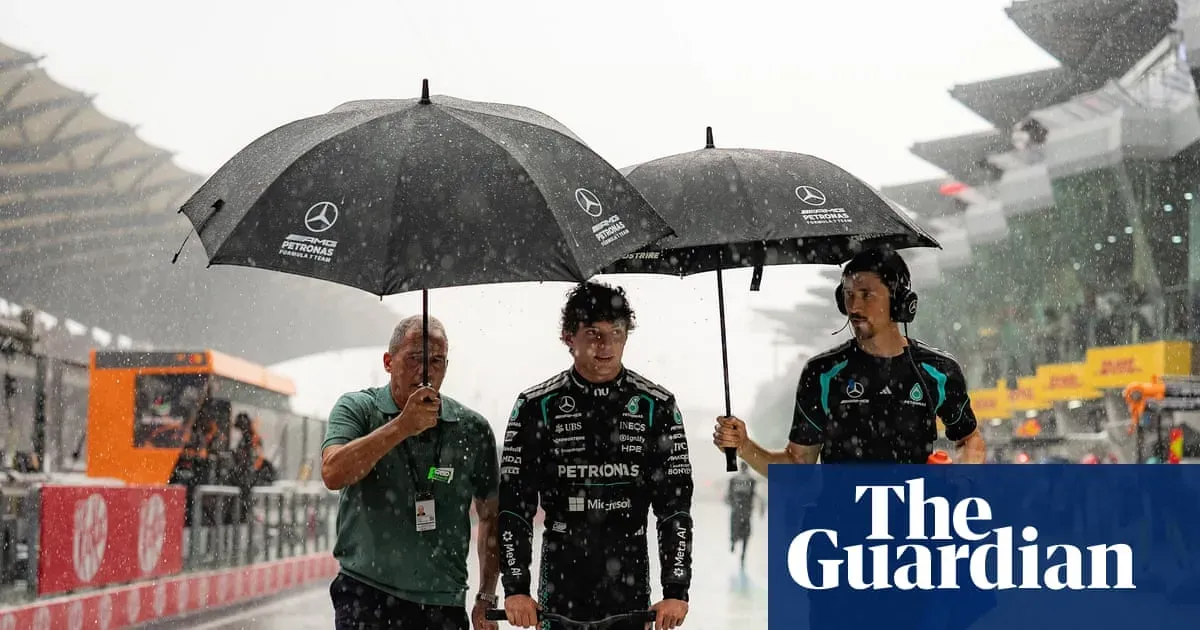
The chaotic opening scenes at the Bahrain Grand Prix have left Formula One drivers united in their criticism of the sport's current engine regulations.
A host of cars were unable to accelerate and came to a halt on the track, causing a 53-minute delay before the race could begin. The problem was attributed to software issues with the electronics controlling the engines, which had not been sufficiently tested under low-grip, wet conditions.
The FIA described the issue as an "unintended loss of power, but drivers were less diplomatic in their assessment. Championship leader Kimi Antonelli labelled the experience as insane". He recalled that at one point, cars were lining up five-wide on the straight, with no clear understanding of what was happening.
Lewis Hamilton was among those who suffered from the software problems, forced to stop his car and restart the engine in order to continue. This was a first for him, and it's clear that such an experience is not one he - or any driver - would want to repeat.
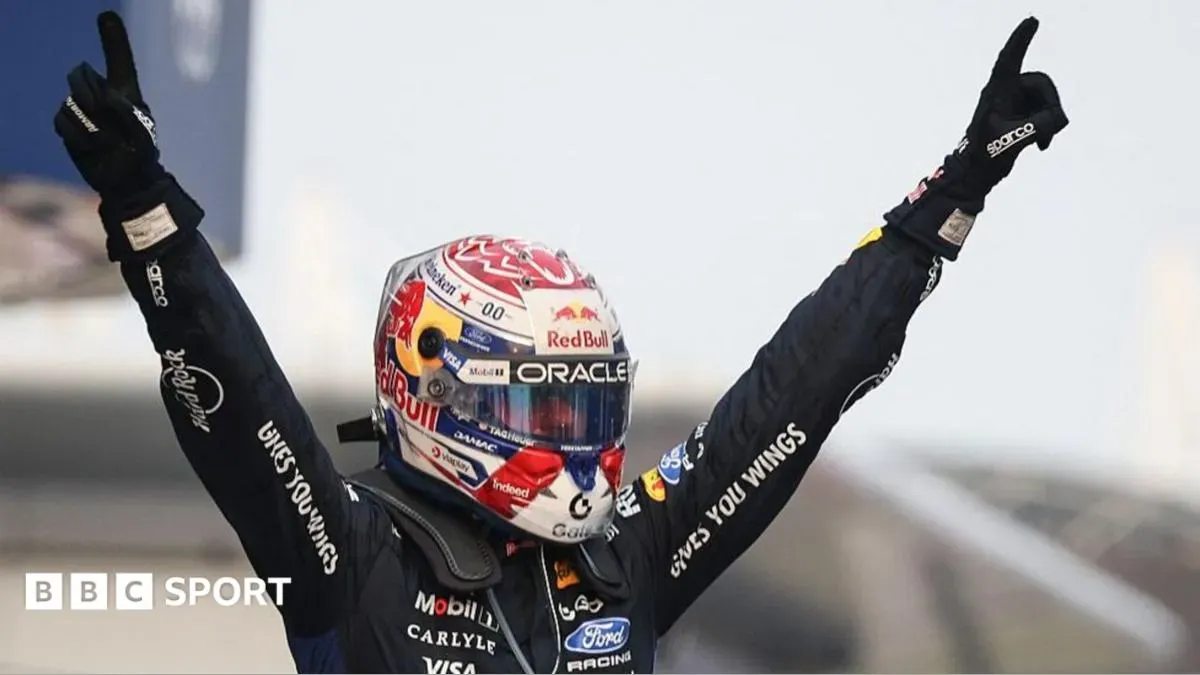
The issue has sparked renewed criticism of the engine regulations, with drivers calling for improvements to prevent similar incidents in the future. Red Bull's Max Verstappen echoed his previous concerns about the rules, suggesting that lessons need to be learned from this episode.
The engine regulations have been a contentious issue in Formula 1, and the chaotic start to the Bahrain GP has added fuel to the fire.
Drivers are growing increasingly frustrated with the current formula, which combines electronic and combustion power in almost equal measure. The delay caused by software issues was just the latest example of how complex the regulations have become. This complexity is not only affecting drivers but also teams and manufacturers.
The issue at hand is not just about the technical aspects of the sport but also about the decision-making process that led to this point. Drivers are questioning whether the current engine formula was the right direction for the sport five years ago. The complexities of the regulations have raised concerns about how they will be simplified in future seasons.
Carlos Sainz, a driver who has been vocal about his dissatisfaction with the engine regulations, believes that Formula 1 needs to take a hard look at itself and understand how it reached this point. He is not alone in his criticism, as many drivers are expressing similar sentiments.
The current engine formula is set to remain unchanged for the remainder of the season, but minor adjustments are planned for next year with more significant changes scheduled for 2028. The Bahrain GP debacle has once again highlighted the need for a rethink on the engine regulations.
The FIA's swift response to rectify the software issue after the chaotic Bahrain GP has highlighted the complexities of engine regulations in Formula One.
F1 drivers are increasingly frustrated with the current engine rules, which they believe have contributed to the problem. They point out that the governing body had not thoroughly tested the updated software due to limited wet running this season, combining circumstances that led to a critical bug.
The incident has brought into focus the need for more rigorous testing and review of engine regulations to prevent similar situations in the future, ensuring drivers can safely navigate various racing conditions.
- Max Verstappen
- Lewis Hamilton
- Kimi Antonelli
- #LewisHamilton
- #MaxVerstappen
- #KimiAntonelli
- #CarlosSainz
- Max Verstappen Bahrain GP
Facts based on reporting originally published by The Guardian Sport.
You may republish this story, in full or in part, if you credit Noti Group and link to it (licence CC BY 4.0). Photos are not included.