





Elizabeth Holmes Documentary Becomes Highest-Grossing Doc of All Time
A new documentary on Elizabeth Holmes has become one of the highest-grossing documentaries, sparking a national conversation about her personality.
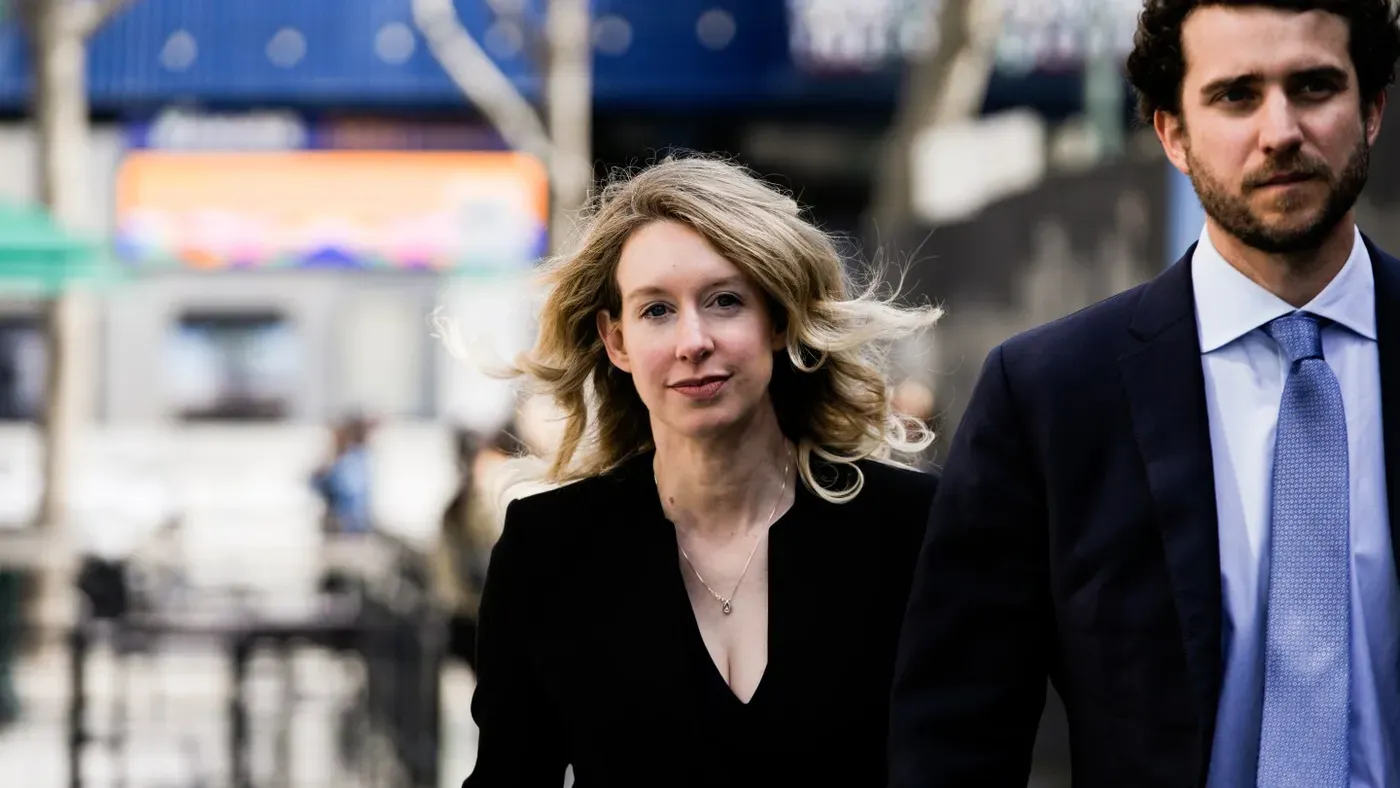
A new documentary featuring disgraced Theranos founder Elizabeth Holmes has become one of the highest-grossing documentaries of all time, sparking a national conversation about her charismatic yet deceitful personality.
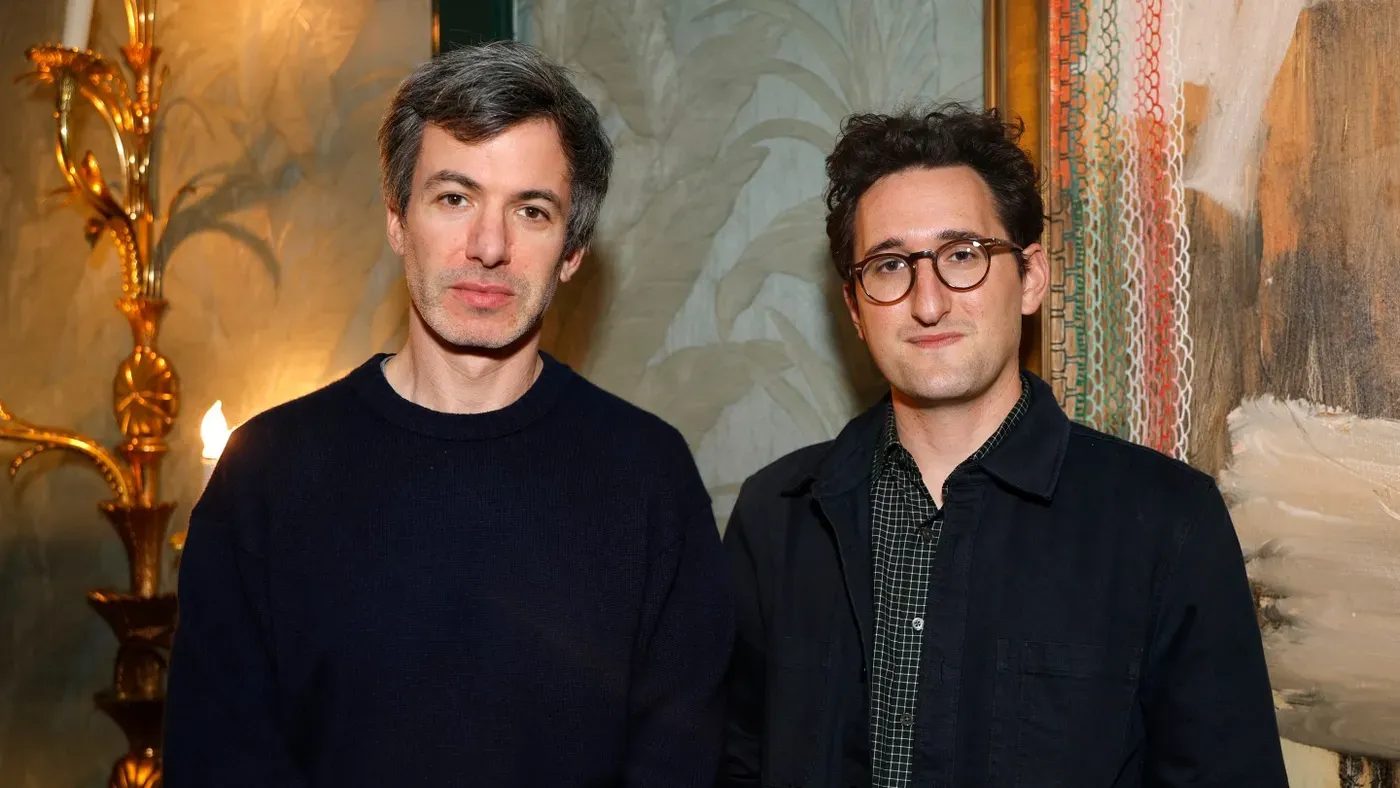
The film, directed by Nathan Fielder and Lance Oppenheim, offers a nuanced portrayal of Holmes' final weeks before prison, avoiding simplistic characterizations. Instead, it highlights her ability to evoke sympathy from those who are aware of her wrongdoing.
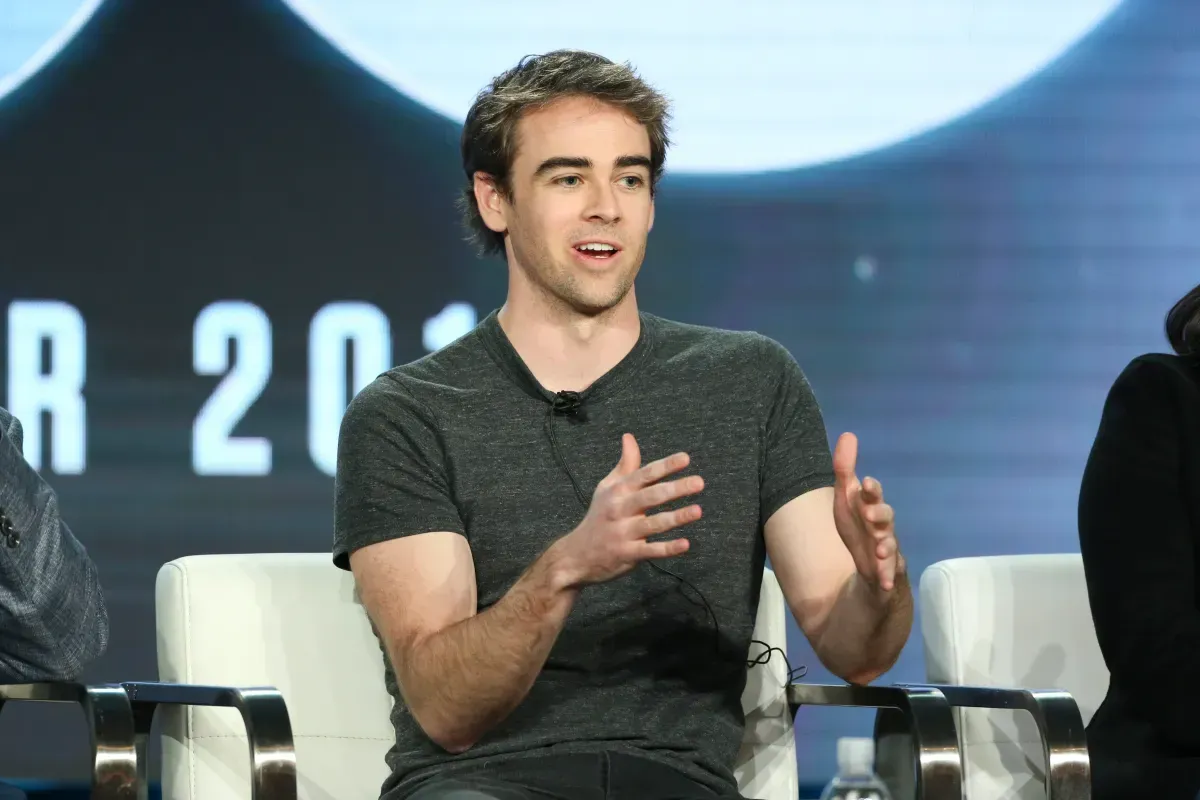
Tyler Shultz, a key whistleblower at Theranos, doesn't need the documentary to remind him of Holmes' manipulative tactics. As one of the first employees to expose the company's inaccuracies, he recalls how faulty blood testing devices made their way into Walgreens stores and delivered false results to patients.
Theranos reached an astonishing valuation of around $10 billion before its technology was revealed to be ineffective. The company relied on third-party equipment for most of its tests, using its own machines only for a small fraction of the work.
As the world becomes increasingly reliant on artificial intelligence, a cautionary tale from the Theranos scandal is resurfacing. The company's rise and fall serves as a reminder of the dangers of unchecked ambition and the ease with which investors can be swayed by charismatic leaders.
Theranos' story has taken on new significance in the current AI boom, where companies with questionable track records are raising massive amounts of capital. This phenomenon is not limited to large venture firms; individual investors are also being targeted with promises of high returns.
Tyler Shultz, a whistleblower from the Theranos scandal, is sounding the alarm about the potential for deception in the AI industry. He notes that the model used by Elizabeth Holmes, where she would meet with investors over coffee and secure funding without providing substantial evidence, has been scaled up to unprecedented levels.
Shultz' grandfather, George Shultz, a former U.S. Secretary of State and Treasury, was an investor and board member at Theranos. He echoes his grandson's concerns about the power that comes with investing in companies like Theranos.
Theranos' funding often came from individual investors such as the DeVos and Walton families, rather than traditional venture firms. The company kept its scientific information and evidence behind closed doors, citing trade secrets, which may have contributed to its ability to secure funding without scrutiny.
The recent Theranos scandal serves as a stark reminder of the importance of rigorous due diligence when investing in new technologies. However, some worry that this lesson may be forgotten in the current AI boom, where complex and opaque systems can make it difficult to separate fact from fiction.
Shultz's concerns are particularly pertinent given the ease with which AI-powered tools can be used to deceive investors and the public at large. With the rapid development of new technologies, it is becoming increasingly challenging for even the most seasoned experts to discern what is truly innovative and what is merely a rehashed concept wrapped in a new package.
The difficulty of evaluating complex systems like AI has significant implications for investors who may be tempted to overlook red flags in their pursuit of returns. By failing to conduct thorough due diligence, they risk being duped by companies that are more interested in lining their pockets than delivering genuine innovation.
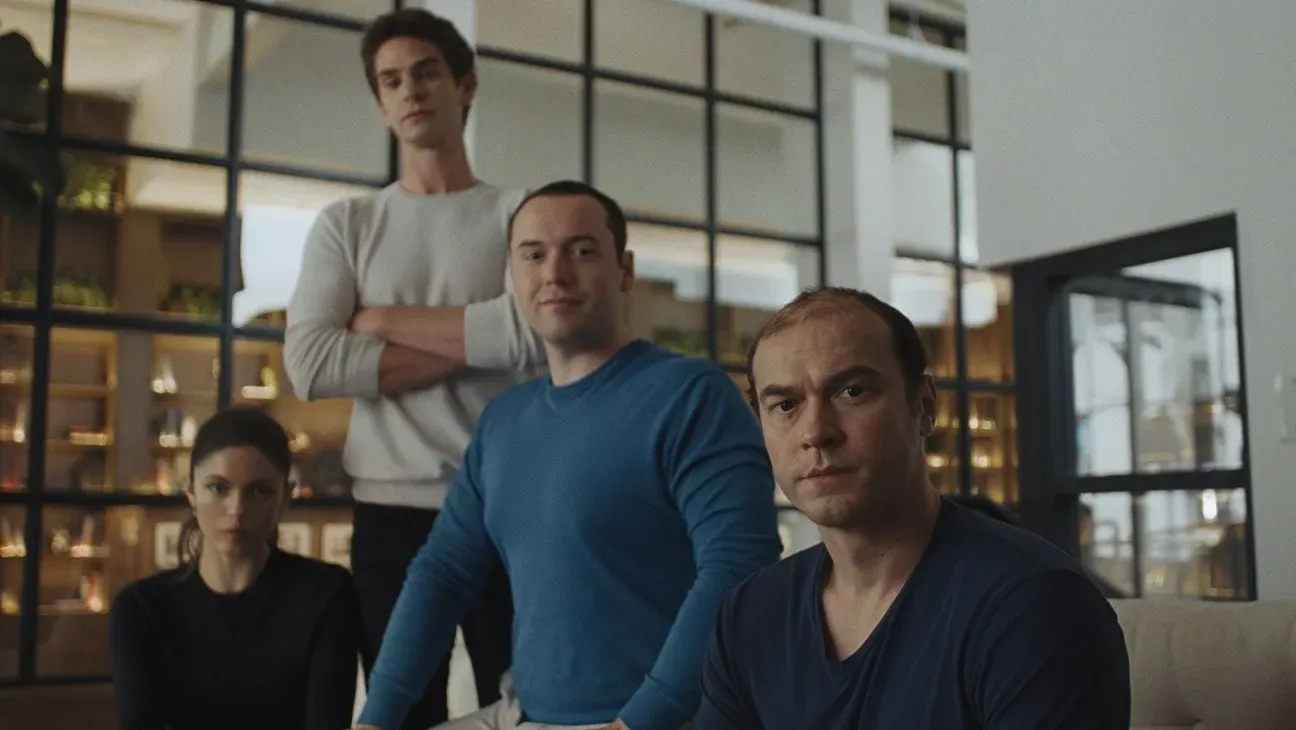
The recent documentary "You Can See Everything highlights the potential pitfalls of investing in unproven technologies. The film follows a mother as she navigates her final days before serving an eleven-year prison sentence, raising questions about why she would choose to invite a camera crew into her life at this point.
The film also touches on the activities of Elizabeth Holmes and her partner Billy Evans, who are reportedly working on a new diagnostics company called Haemanthus. With $20 million in funding, this venture bears some resemblance to Theranos, which raises concerns about whether lessons have been learned from that company's demise.
The documentary You Can See Everything has raised concerns about Elizabeth Holmes' portrayal, as it glosses over some of the most egregious crimes committed by Theranos, including providing faulty medical information to patients and harassing former employees like Tyler Shultz.
This selective focus on Holmes' persona has contributed to her being more of a celebrity figure than a villain in the public's eye. The documentary's approach may be seen as trivializing the harm caused by Theranos' actions, which had real-life consequences for people who trusted the company with their health.
Tyler Shultz expressed his unease about what might come next for Holmes, given her apparent preparation for a new chapter in her life. He is uncertain about where this second act will lead and whether it will involve more deception or manipulation of those around her.
The documentary's portrayal of Holmes has sparked debate about the impact of media representation on our perception of public figures. While it may be entertaining to watch a charismatic figure like Holmes, the consequences of her actions should not be minimized or ignored.
As the tech industry continues to grapple with the consequences of its own hype, a stark reality is emerging: many companies are failing to deliver on their AI promises.
The latest data suggests that AI has failed to provide a significant financial return for most businesses, according to an Apollo economist who spoke out about the issue. This revelation comes as no surprise to those familiar with the AI graveyard", a running list of projects and startups that have struggled or failed entirely.
The industry's lack of accountability is a major concern, and experts warn that it may be leading to widespread deception of investors and consumers alike, a problem that could have far-reaching consequences.
Facts based on reporting originally published by TechCrunch.
You may republish this story, in full or in part, if you credit Noti Group and link to it (licence CC BY 4.0). Photos are not included.