






Ebola Outbreak Spreads to Another Health Zone in DRC
The Ebola outbreak has spread to another health zone in the Democratic Republic of the Congo (DRC), with four confirmed cases and two deaths recorded in Alimbongo health zone.
The Ebola outbreak in the Democratic Republic of the Congo (DRC) has taken a concerning turn as cases have been reported in another health zone in the east.
Alimbongo health zone in North Kivu province has become the latest area to be affected by the virus, with four confirmed cases and two deaths recorded there as of October 6. This development is part of an ongoing outbreak caused by the Bundibugyo species of Ebola virus.
The World Health Organization (WHO) has been monitoring the situation closely, releasing updates on the spread of the disease. According to their latest figures, cases have been reported in 64 health zones across seven provinces in the DRC.
Ituri province remains the worst-affected region in terms of cumulative cases, while North Kivu is accounting for an increasing number of newly confirmed infections. The sheer scale of the outbreak is evident from the numbers released by the WHO: as of October 6, they reported a total of 8,728 confirmed cases.
A Kenyan citizen who had been living in the DRC has been diagnosed with the Bundibugyo virus after falling ill and receiving treatment before traveling to Kenya through Uganda. This imported case highlights the risk of cross-border transmission and underscores the need for vigilance at borders to prevent further spread.
The patient who brought Ebola into Kenya traveled a significant distance before arriving in Nairobi on October 3. The individual was isolated and tested upon arrival, but unfortunately, the test results confirmed they had contracted the virus. Despite receiving supportive treatment, the patient's condition worsened, and they passed away on October 5.
Kenyan health officials quickly sprang into action to contain the spread of the disease, identifying 28 people who were in close contact with the infected individual. These contacts included family members and healthcare workers who may have been exposed to the virus. The World Health Organization (WHO) is also working to trace the passengers and crew members from the flight to Nairobi that brought the patient into the country.
To mitigate the risk of further transmission, public health measures are being implemented in both Kenya and Uganda. This includes contact tracing and enhanced surveillance to identify anyone who may have come into contact with the infected individual. The goal is to detect any potential cases early on and prevent the spread of the disease.
In a separate development, preliminary test results from Wajir County in Kenya came back negative for Ebola on October 8. According to the county governor, this result has eased concerns about a possible second case, but monitoring will continue to ensure that no other cases are missed.
The imported infection highlights the importance of vigilance and cooperation between neighboring countries in preventing the spread of infectious diseases. The response efforts in the DRC are facing significant challenges, including limited treatment capacity, insecurity, and difficulties securing cooperation from some communities.
The number of Ebola cases in North Kivu has risen significantly, accounting for nearly 40 percent of newly confirmed cases nationwide as of October 5, according to a recent update from medical charity Doctors Without Borders.
This surge is particularly concerning given that just two months ago, North Kivu made up only 24 percent of national cases. The organisation's data highlights the escalating challenge posed by the outbreak in this region.
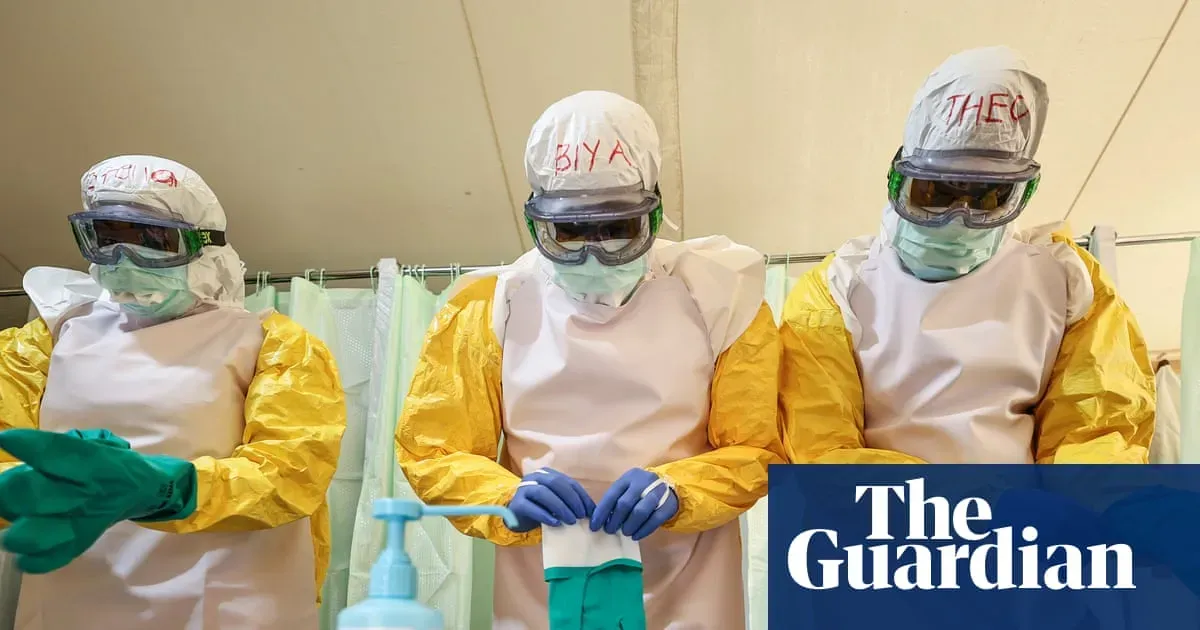
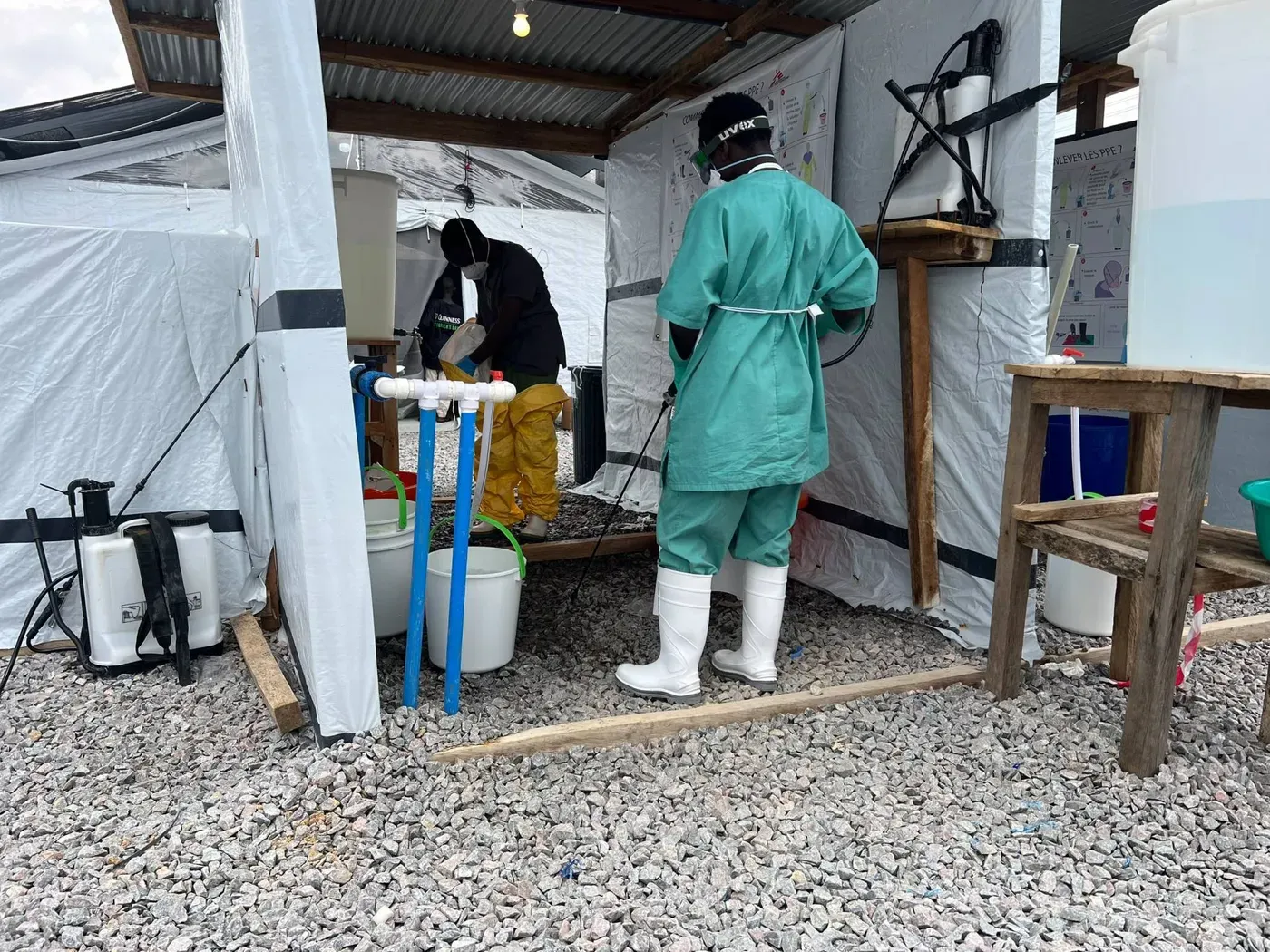
The treatment capacity in dedicated centres is severely strained, with insufficient beds available to meet demand. Delays in diagnosis have resulted in some patients being treated outside facilities equipped to manage Ebola, further increasing the risk of transmission among patients and healthcare workers.
MSF has warned that many non-specialised health facilities lack the resources and expertise needed to effectively manage the disease, exacerbating the situation. This not only puts patients at greater risk but also threatens the safety of those working in these facilities.
Community leaders are expressing growing concern over the failure to contain transmission early on in some areas, such as Ituri province, where new cases have been reported alongside attacks on response workers in Beni and Butembo.
As the Ebola outbreak continues to spread in eastern Democratic Republic of Congo (DRC), concerns are growing about the effectiveness of contact tracing efforts.
The World Health Organization (WHO) reports that response teams have identified 29,535 contacts and are following up with 23,741 of them as of October 4. This represents a significant challenge for health authorities, who aim to reach at least 85 percent of all contacts but currently stand at 80.4 percent.
Contact tracing is crucial in identifying individuals who may have been exposed to the virus, monitoring them for symptoms and detecting infections early on. However, gaps in follow-up can hinder efforts to break transmission chains and ultimately control the outbreak.
To address these challenges, the Africa Centres for Disease Control and Prevention (Africa CDC) has emphasized the need for a community-centred response that prioritizes active case finding, systematic contact tracing, and sustained engagement with local communities.
The current Ebola outbreak presents distinct challenges compared to previous outbreaks in the DRC, including the lack of approved vaccines or specific treatments for Bundibugyo virus disease.
The rapid identification and tracking of individuals exposed to Ebola is crucial to controlling the current outbreak in eastern DRC. According to Jean Kaseya, director-general of Africa CDC, this requires pinpointing every contact and monitoring them closely.
To effectively bring the outbreak under control, it's essential to quickly identify anyone showing symptoms before they can transmit the virus further, Kaseya emphasized. This approach will ultimately lead to breaking the last chain of transmission, enabling authorities to contain the outbreak fully.
Facts based on reporting originally published by Al Jazeera.
You may republish this story, in full or in part, if you credit Noti Group and link to it (licence CC BY 4.0). Photos are not included.