







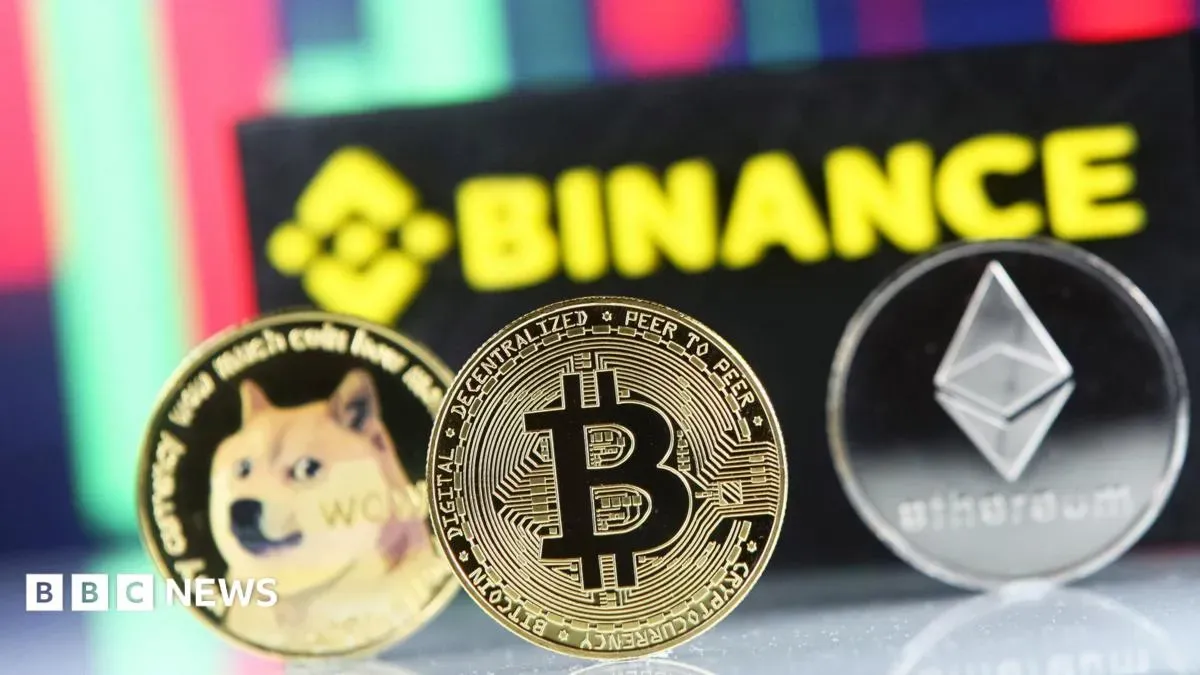
Binance Hit by Massive Crypto Hack with Estimated Loss of $6.3bn
The world's largest cryptocurrency exchange, Binance, has been targeted in a massive hack, believed to be the largest ever suffered by a crypto exchange, with an estimated loss of $6.3bn.
The world's largest crypto exchange, Binance, has been hit by a massive hack, believed to be the largest ever, with an estimated loss of $6.3bn.
Binance operates as a platform where users can buy, sell and trade digital currencies, such as Bitcoin, using their smartphones or computers through digital wallets. The exchange allows users to deposit and withdraw these virtual assets.
The company's co-chief executive officer, Richard Teng, has confirmed that Binance is working closely with authorities to investigate the incident and determine its cause. In a statement, he assured that all losses will be covered by the exchange.
Binance was founded in China in 2017 and has since grown to become one of the largest cryptocurrency exchanges globally, boasting hundreds of millions of registered users worldwide. The company has faced scrutiny in recent years over various issues, including regulatory concerns and allegations of improper transactions.
The hack is believed to be the largest ever suffered by a crypto exchange, with an estimated loss of $6.3bn. Binance has announced that it is beginning to recover some of the lost funds.
Binance's global centralised exchange, Binance.com, was targeted by hackers, leaving the company scrambling to recover lost funds.
The attack did not affect Binance.us, which is specifically designed for US residents and offers trading services without any disruptions.
Initial findings from Teng suggest that a compromised DevOps engineer's laptop may have been the entry point for the attackers.
This allowed them to access a service container where they could submit unauthorized withdrawal transactions, further facilitating the attack.
The hack was not a simple process but rather a complex sequence of events, according to Teng's statement, which implies that the attackers exploited vulnerabilities in the system.
Some cybersecurity experts believe that the engineer may have been tricked into downloading malware onto their laptop while conducting a test.
This malicious software then gained access to sensitive areas of the system due to the high security privileges already assigned to the laptop.
Experts point out that even robust security measures can be compromised if an individual with authorized access is deceived or manipulated.
The identity of those behind the attack remains unknown, but some analytics firms have suggested a possible link to North Korea.
A recent report by AI-powered investigations company TRM Labs suggests a possible link between the Binance hack and previous cyber attacks attributed to North Korea. The report highlights similarities between the Binance attack and earlier incidents, including a $1.5bn hack on the ByBit exchange in 2025.
The Lazarus Group, also known as TraderTraitor, has been accused of working directly for the North Korean regime. This group is believed to be responsible for several high-profile cyber attacks. Their tactics often involve using sophisticated methods to steal large sums of cryptocurrency and other digital assets.
North Korea's use of cyber warfare is not a new phenomenon, according to Dr Edward Howell, a University of Oxford expert on North Korean foreign policy. He notes that the country has a long history of employing cyber attacks as a means to extract cash and fund its military programs.
Binance has reportedly located around $3bn in affected assets following the hack, which it is working to freeze in collaboration with partners.
The exchange remains on track to resume its withdrawal service within 45 hours, as previously expected.
Meanwhile, users from other cryptocurrency platforms have been warned by experts to be cautious of hackers exploiting the situation for their own gain.
Marijus Briedis, NordVPN's chief technology officer, advises users to be vigilant against phishing attempts and fake support accounts that may try to trick them into divulging sensitive information or transferring funds.
He recommends verifying updates through trusted sources such as the Binance app or website.
The increasing use of artificial intelligence (AI) in cyber attacks has raised concerns about the potential for AI agents to identify vulnerabilities in software and exploit them faster than human hackers.
This concern was highlighted by the Bank of England, which warned that external factors could leave financial institutions struggling to fix weaknesses before attackers take advantage of them.
Crypto's decentralized nature makes it vulnerable to such threats, as it is not controlled by central banks or governments. This lack of regulation has contributed to its growing popularity among investors who value financial freedom.
The widespread adoption of crypto has also led to significant volatility in its value, with prices rising and falling rapidly based on market demand.
Facts based on reporting originally published by BBC News Technology.
You may republish this story, in full or in part, if you credit Noti Group and link to it (licence CC BY 4.0). Photos are not included.