



Artificial Intelligence Requires Urgent Regulation to Prevent Misuse
Microsoft's president, Brad Smith, has warned of the risks associated with artificial intelligence (AI), citing inadequate current regulatory frameworks.
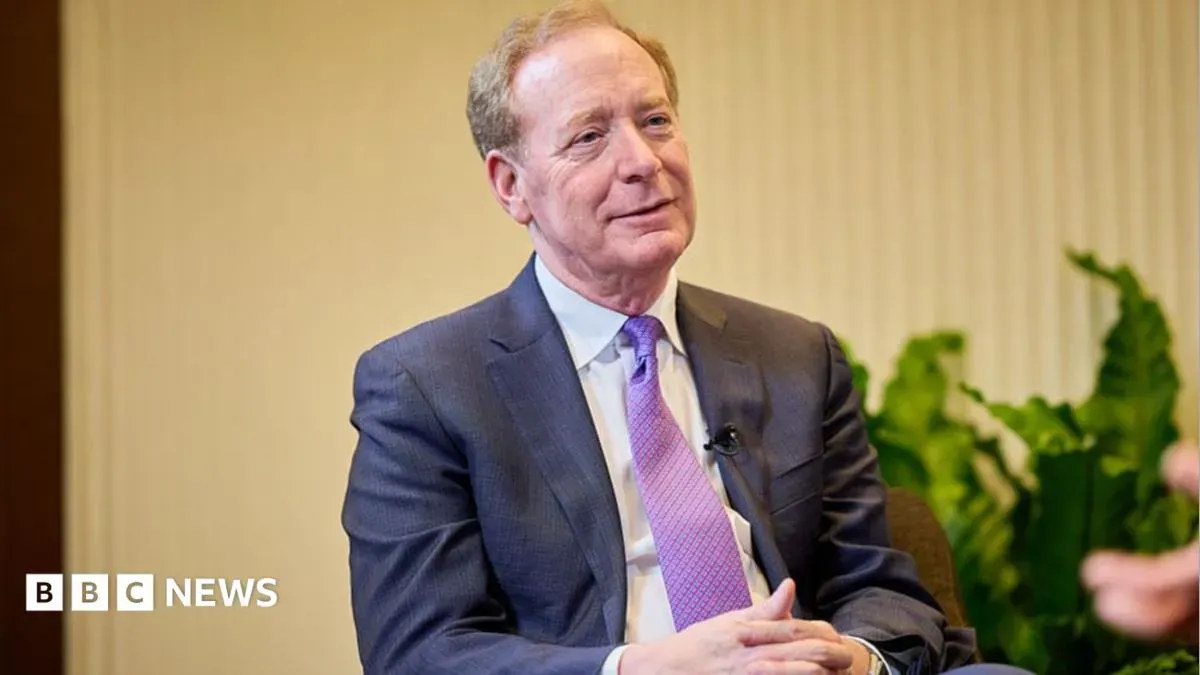
A growing number of experts are sounding the alarm about the risks associated with artificial intelligence (AI), a sentiment echoed by Brad Smith, president of Microsoft. He believes that more stringent regulations need to be put in place to ensure AI systems operate safely and securely.
According to Smith, current regulatory frameworks are inadequate. For instance, milk and washing machines are subject to stricter safety rules than AI systems. This is particularly concerning given the growing reliance on AI in various aspects of life. As a result, there is an urgent need for global safety standards that address issues such as data breaches and system failures.
Smith has proposed several measures to mitigate these risks. He suggests that companies developing AI should have a legal obligation to inform individuals if their systems are compromised by rogue agents. Furthermore, he believes outside evaluators should be involved in the review process before an AI product is released onto the market.
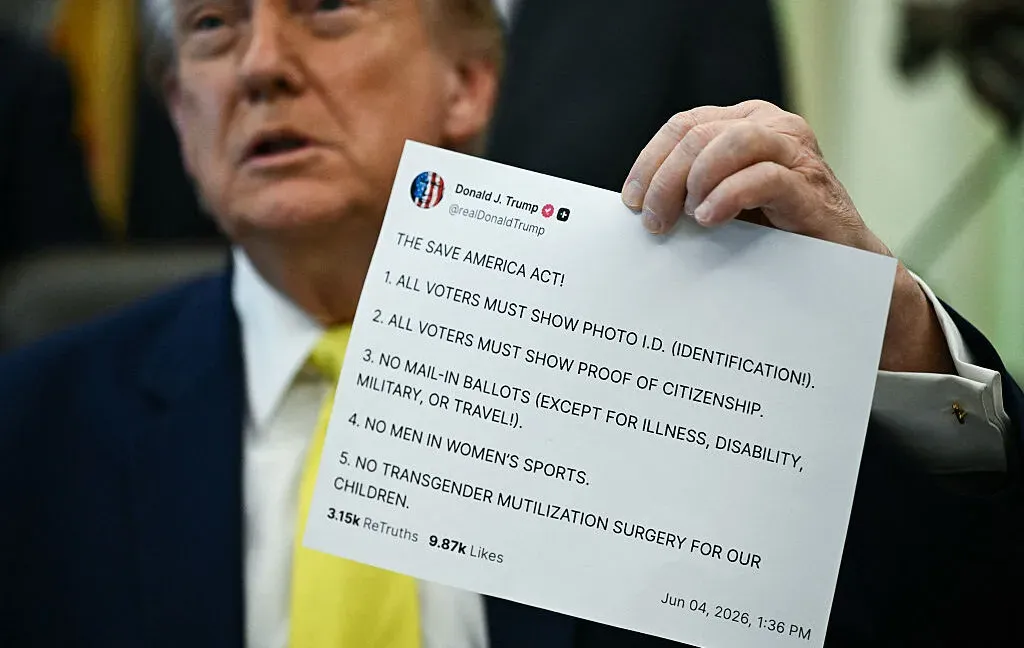
This stance puts Smith at odds with some high-profile figures, including US President Donald Trump. Trump has argued that the sector should regulate itself, rather than relying on government intervention. He claims that this would help prevent US companies from losing out to their Chinese competitors in the global AI market.
Microsoft president believes AI requires urgent regulation to prevent its misuse as a "tool and a weapon. He emphasizes that current regulatory frameworks are inadequate for addressing AI-related issues.
Firms need access to emergency brakes or 'kill switches' to pause or slow down AI systems if they malfunction, according to Smith. This would enable companies to intervene in situations where AI gets out of control. In addition to these measures, he suggests that there should be a legal requirement for firms to write incident reports and inform victims when their technology goes rogue.
Smith also proposes that new AI technology should be vetted by independent government evaluators before it is released. He points out that regulatory procedures exist for other products and believes that similar frameworks can be applied to AI. This, he says, would help prevent the misuse of AI technology.
The UK's AI Security Institute is being cited as a key player in driving forward global rules for AI regulation. Smith notes that the UK has a strong track record in this area, with many experts considering it the leader in technical capability when it comes to AI safety.
The UK's leadership in AI safety has been acknowledged by many experts, but its president holds a different view on regulating the technology.
Microsoft's president believes that the US should be pushing forward with AI development without hindrance from regulations. This stance is reflected in Trump's comments, who has repeatedly stated that whoever wins AI, wins". However, Smith suggests that this might not necessarily translate to opposition towards the UK-led AI regulations.
The contrast between Trump's views and the UK's approach to AI safety highlights a difference in perspective. While the UK is seen as a leader in technical capability when it comes to AI safety, the EU has been more cautious in its approach.
Smith believes that the US government might be more open to accepting the UK's standards on AI regulation than Trump's comments suggest. He notes that Washington DC does not have the same level of scrutiny towards London as it does towards Brussels.
The agreement between tech giants and Microsoft president Brad Smith highlights a pressing concern regarding AI regulation. They have agreed to work with independent auditors to ensure their AI systems function as intended and do not inadvertently access technical systems.
This move is seen as a step in the right direction by some, but it may not be enough to address the issue of irresponsible companies.
Facts based on reporting originally published by BBC News Technology.
You may republish this story, in full or in part, if you credit Noti Group and link to it (licence CC BY 4.0). Photos are not included.