




Apple Warns German Lawmakers and Public Figures of iPhone Hacking Threat
German lawmakers and public figures have received notifications from Apple suggesting their iPhones may be vulnerable to cyberattacks.
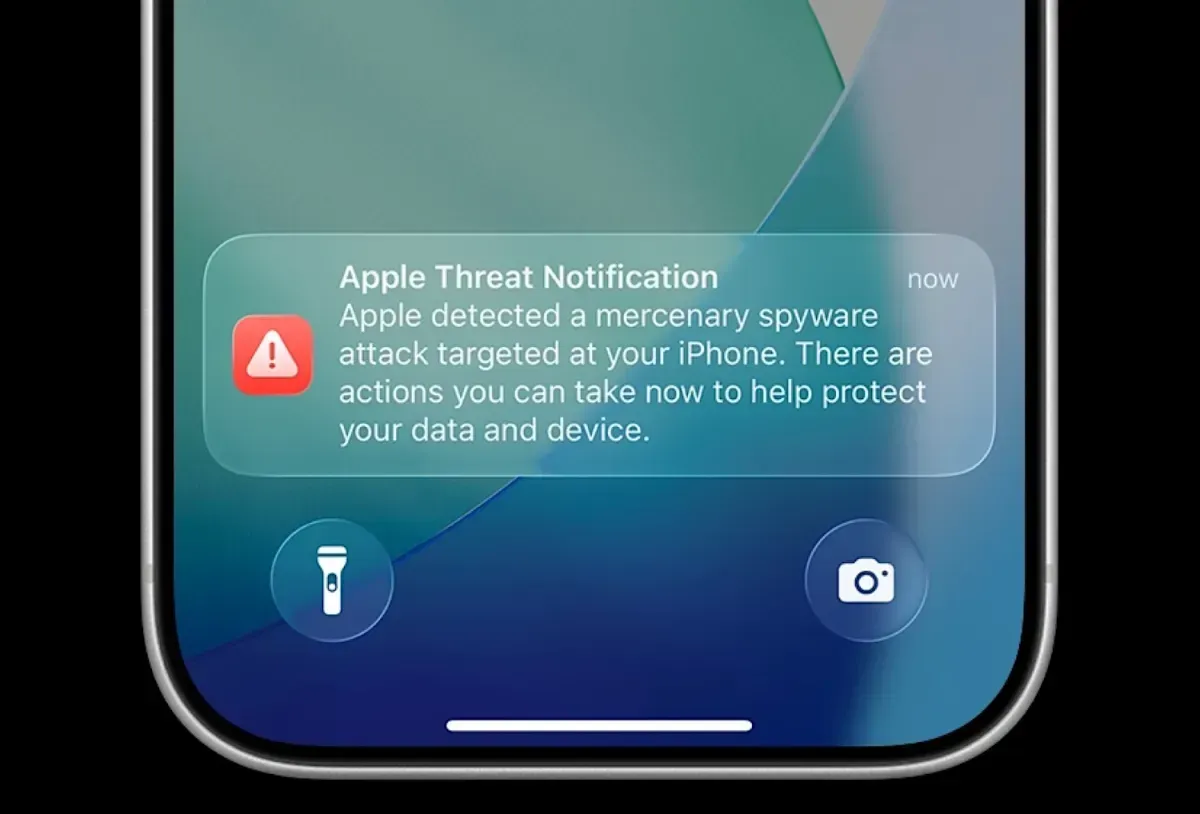
The German government has issued a warning to its lawmakers and public figures after it emerged they had received notifications from Apple suggesting their iPhones may have been hacked by government-backed spyware.
According to reports, members of the Bundestag, Germany's parliament, as well as other notable individuals, have been sent warnings by Apple that their devices may be vulnerable to cyberattacks. The German federal cybersecurity office, known as the BSI, has confirmed this development and is urging those who have received notifications to take action.
The government in Berlin is taking the situation seriously, with a spokesperson stating that they are investigating the matter and considering steps to protect affected individuals. However, it remains unclear which members of the government may be at risk, including whether German Chancellor Friedrich Merz has been targeted.
Apple's threat notifications are typically sent to individuals who may have been targeted by spyware, which can steal sensitive information such as messages, location data, and more from their phones. This type of malware often relies on zero-click exploits that can compromise devices without the user even realizing it.
The BSI is cautioning those who receive Apple's notifications to assume their device may be compromised, emphasizing the importance of taking immediate action to secure their iPhone.
The recent Apple threat notifications have not been limited to German lawmakers alone. A filmmaker based in Beirut, Radwan Mortada, received a warning from Apple that his device had been targeted by another attack after he was previously hit by spyware in 2021.
This latest round of threats suggests the existence of a sophisticated and widespread hacking operation targeting individuals across the globe. According to Apple's notifications, users in 99 countries have been affected. The identity of those behind these attacks remains unclear.
The growing number of spyware attacks on civil society members has raised questions about the involvement of governments in these operations. While governments rarely develop their own spyware tools, they often purchase them from private vendors known as "mercenary spyware" makers. One such company is Israel's NSO Group, which sells the highly contentious Pegasus spyware.
Germany's central federal law agency, the BKA, has been linked to purchasing access to Pegasus in 2019. This transaction highlights the murky nature of the global surveillance market and the potential for governments to exploit these tools for their own purposes.
The recent controversy surrounding German lawmakers' iPhones has taken a disturbing turn. Reports suggest that these devices may have been compromised by sophisticated spyware, potentially putting sensitive information at risk.
Investigations are ongoing to determine the extent of the breach and identify those responsible for deploying the malware. The incident highlights the vulnerabilities of even the most secure devices in today's digital landscape.
The use of commercial surveillance tools against government officials raises significant concerns about the misuse of such technology. It underscores the need for stricter regulations and greater transparency in the global surveillance market.
As the investigation unfolds, it is clear that this incident will have far-reaching implications for governments and institutions worldwide, emphasizing the importance of robust cybersecurity measures to protect sensitive information.
Facts based on reporting originally published by TechCrunch.
You may republish this story, in full or in part, if you credit Noti Group and link to it (licence CC BY 4.0). Photos are not included.