





70th BFI London Film Festival: Filmmakers Share Insights from Event
Isabel Sandoval and her film "Moonglow" were among the featured films at the festival, which showcased movies from Europe, Africa, and Asia.
The 70th edition of the BFI London Film Festival may have come to an end, but some of its featured filmmakers are still sharing their insights and experiences from the event.
At a Filmmaker Afternoon Tea session, representatives from various films showcased at LFF had the opportunity to discuss their work with members of the press. This informal setting allowed for in-depth conversations about the creative processes behind each film.
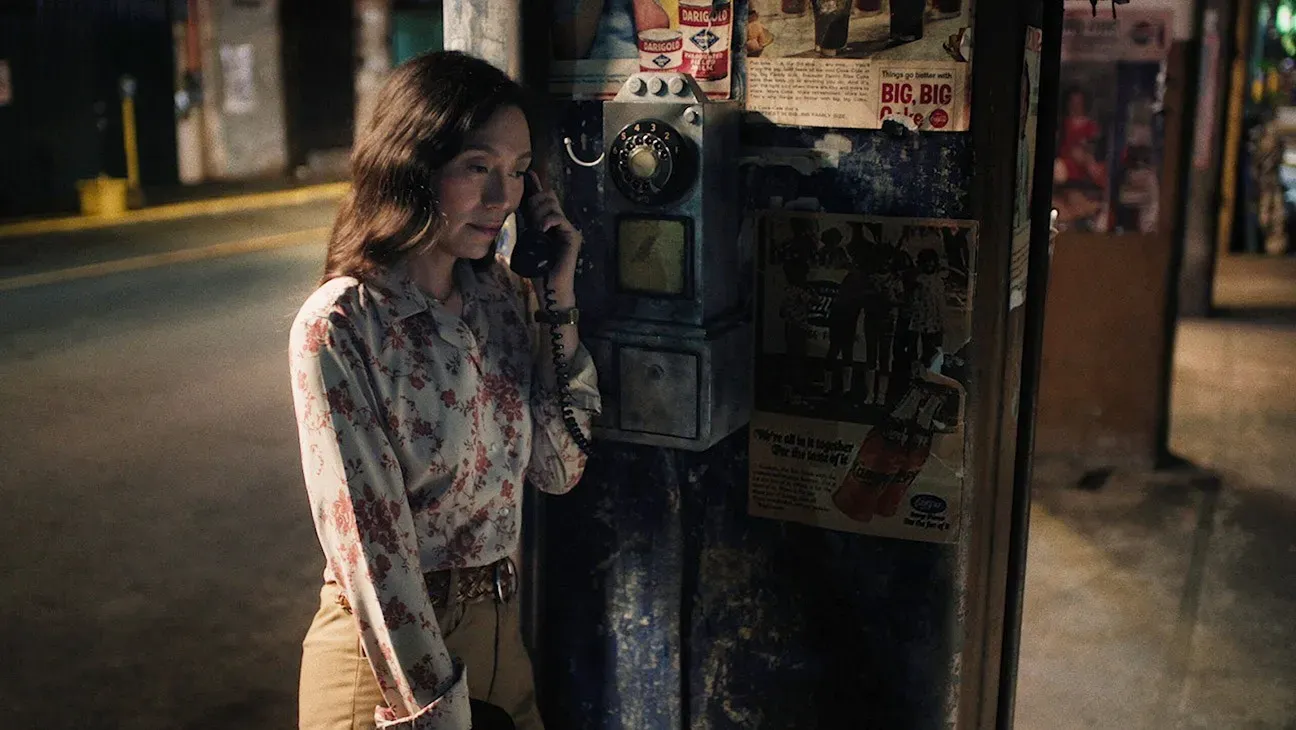
Isabel Sandoval's "Moonglow was one of the movies featured at the festival. The filmmaker has made a name for herself as a master of sensual cinema, and her latest project is no exception. Set in 1970s Manila, the neo-noir follows a police officer-turned-criminal who finds herself under investigation by her former lover.
Sandoval's approach to storytelling is notable, particularly when it comes to her portrayal of female characters. In Moonglow, she subverts traditional noir tropes by making her protagonist a morally complex and ethically compromised individual. This departure from the norm adds depth to the narrative and challenges viewers' expectations.
The conversation with Sandoval highlights the diversity and creativity that defined LFF 2026, which showcased films from Europe, Africa, and Asia. The festival's ability to bring together talented filmmakers and provide a platform for their work is a testament to its importance in the global film community.
The complexities of human nature are expertly woven throughout Sandoval's narrative. The villain in question is a masterclass in subtlety, defying expectations by being more than just a one-dimensional character. By making him relatable and even sympathetic on the surface, Sandoval highlights how corruption can take hold through seemingly innocuous means.
This nuanced approach to storytelling allows viewers to confront the darker aspects of human nature without feeling like they're being hit over the head with propaganda. The contrast between the villain's public persona and his true nature is a powerful commentary on the ways in which power can be wielded subtly, often under the guise of respectability.
Sandoval's exploration of martial law in the Philippines serves as a thought-provoking backdrop to the film's narrative. While the violence and atrocities that occurred during this period are not explicitly depicted, their presence is felt through snippets on the radio, adding depth and context to the story.
By focusing on the lives of middle-class protagonists, Sandoval raises important questions about class privilege and how it can lead individuals to be oblivious to the world around them. This subtle yet powerful commentary adds another layer of complexity to an already rich narrative.
The filmmakers at LFF are showcasing a diverse range of creative projects, each with its own unique vision and style.
One such project is 'My Notes on Mars', which explores the intersection of science fiction and personal narrative. The film's director has expressed enthusiasm for this particular project, citing its blend of intellectual curiosity and emotional resonance.
Meanwhile, Daniel Oriahi is bringing his adaptation of Lola Shoneyin's novel 'The Secret Lives of Baba Segi's Wives' to life on screen. This drama delves into the complexities of a traditional Yoruba household in Nigeria, where patriarchal power dynamics are put to the test by the arrival of a new and educated wife.
Oriahi worked closely with co-writers Adze Ugah, Heidi Uys, and Mo Abudu to bring this story to the screen. He aimed to balance fidelity to the original novel with the need to engage global audiences through cinematic storytelling.
The film's nuanced exploration of themes such as power, survival, and identity is sure to resonate with viewers worldwide.
The filmmakers' goal is for their story to transcend cultural boundaries and be understood universally.
This ambition is reflected in the success of Nigerian filmmaker Oriahi's previous work, including the thriller The Weekend, which explored complex family dynamics.
Hungarian writer-director Horvát's latest film also aims to connect with a global audience. Her sci-fi puzzle follows a North American couple living in Hungary whose relationship is put to the test.
The film's genre-bending approach allows for creative experimentation and unexpected twists. I like to surprise the audience, Horvát says, noting that this aspect of her filmmaking style is particularly well-suited to sci-fi tropes.
Finding the right actors was crucial to bringing Horvát's vision to life. She feels fortunate to have worked with Mackenzie Davis and Rupert Friend, who she describes as wonderful and very collaborative."
The filmmaker's creative leanings may shift between English- and Hungarian-language projects in the future.
She expressed a desire to remain open to both possibilities, acknowledging that certain materials are better suited for one language over the other.
Her development slate is currently filled with several projects, but she prefers not to discuss them at this time.
Facts based on reporting originally published by The Hollywood Reporter.
You may republish this story, in full or in part, if you credit Noti Group and link to it (licence CC BY 4.0). Photos are not included.