



US Federal Reserve Keeps Interest Rates at 3.75%-4%
The US Federal Reserve has made a surprise decision to keep interest rates steady, defying expectations of another hike.
The US Federal Reserve has made a surprise decision to keep interest rates at 3.75% - 4%, defying expectations of another hike. This move comes just days after the midterm elections and follows last month's increase in interest rates for the first time in three years.
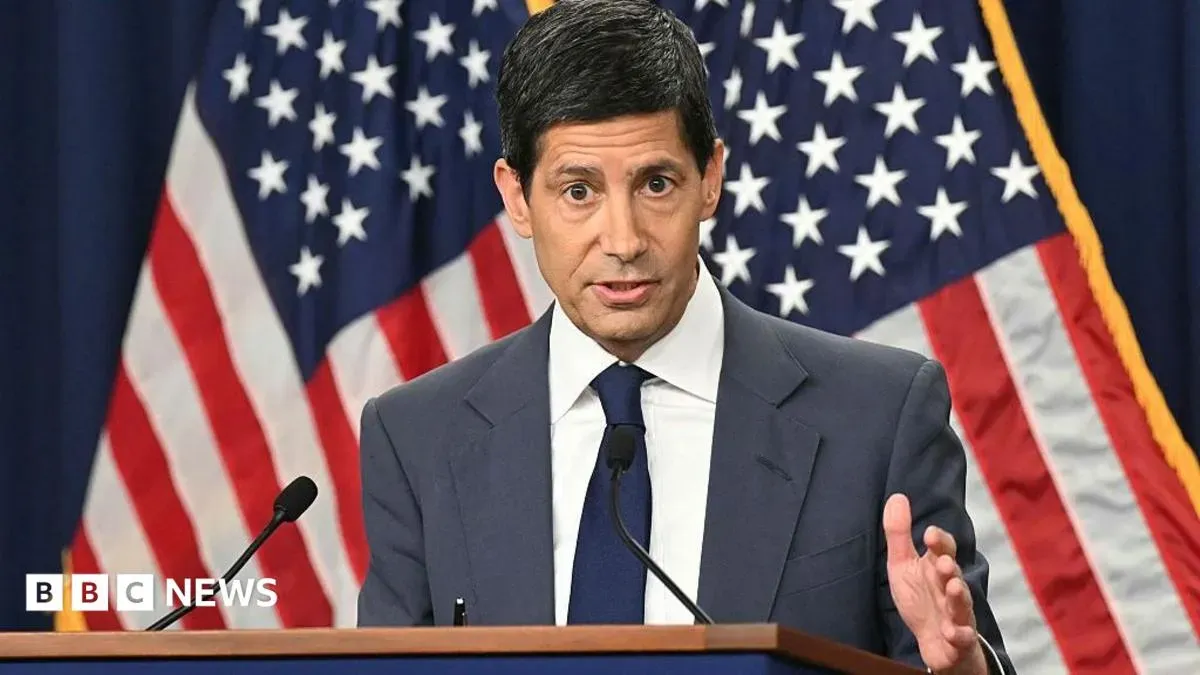
The central bank's chair, Kevin Warsh, attributed this stability to the success of previous monetary measures. He noted that the consensus among experts is that the Fed's recent actions have started to bear fruit, with inflation and economic growth showing signs of improvement. According to Warsh, "what we've done in this monetary medicine is starting to work some".
The latest figures suggest that the US economy is growing at a faster pace than predicted, with inflation rates above the target level. This presents a mixed picture for consumers and businesses, who must weigh the benefits of low interest rates against rising prices.
Interest rates play a crucial role in determining borrowing costs and savings returns. The Fed controls these rates through its target range for the federal funds rate, which influences overnight borrowing by commercial banks. By keeping rates steady this month, the Fed is effectively giving consumers and businesses more time to adjust to current economic conditions.
The central bank's decision has been influenced by mixed signals from the economy. While inflation remains a concern, other indicators suggest that the economy is resilient and adapting to changing circumstances.
The Federal Reserve has announced that interest rates will remain steady for now, but there is still more economic data to be released before the committee's next meeting in December.
This new data will provide a clearer picture of the state of the economy, according to Fed Chair Warsh, who believes it will allow them to make a more informed decision about monetary policy.
The committee's decision to hold rates steady was not unanimous, with two members voting for an increase. Governor Lisa Cook and Cleveland Fed President Beth Hammack advocated for raising interest rates to between 4% and 4.25%, from the current range of 3.75% to 4%.
The US economy is showing signs of resilience, driven by strong growth in investment and consumer spending. In the three months leading up to September, the economy grew at an annualised rate of 3.4%, beating analysts' expectations.
This growth was largely due to a significant acceleration in private investment, which increased at an annualised rate of 19.4%. Analysts attribute this surge to investments in artificial intelligence and other emerging technologies.
Inflation remains a pressing concern for the US economy, with prices increasing by 3.7% in the year to September. This upward trend is largely driven by fuel and energy costs, which have skyrocketed due to the ongoing conflict in Iran.
The Federal Reserve's target inflation rate stands at 2%, and it uses interest rate adjustments to maintain this level while keeping the labor market stable. When prices rise above this threshold, the Fed typically responds by raising interest rates.
Higher interest rates have a ripple effect throughout the economy. For instance, individuals refinancing their mortgages or purchasing property for the first time may face increased mortgage rates, and credit card holders could also see higher interest charges on their balances.
Conversely, when inflation is low, the Fed may opt to lower interest rates, aiming to stimulate economic growth by encouraging spending and investment. This approach is designed to have an opposite effect, with banks reducing rates leading to increased consumer and business activity.
The decision to keep interest rates steady means that consumers and businesses may not see significant changes in borrowing costs for new mortgages or loans.
This move comes against a backdrop of historically fluctuating interest rates in the US, which have varied significantly over the years.
In fact, the last time Fed rates were as high as they are now was during the lead-up to the 2008 global financial crisis, when they were subsequently lowered to record lows to stimulate economic growth and job creation.
The subsequent rate increases before the pandemic saw a significant jump in inflation, which then led to a steady decline in interest rates.
Facts based on reporting originally published by BBC News Business.
You may republish this story, in full or in part, if you credit Noti Group and link to it (licence CC BY 4.0). Photos are not included.