


Taliban Interrogate Aid Worker Over Online English Study Programme for Girls
A senior aid worker was interrogated and physically abused by the Taliban after setting up an online study programme for Afghan girls.
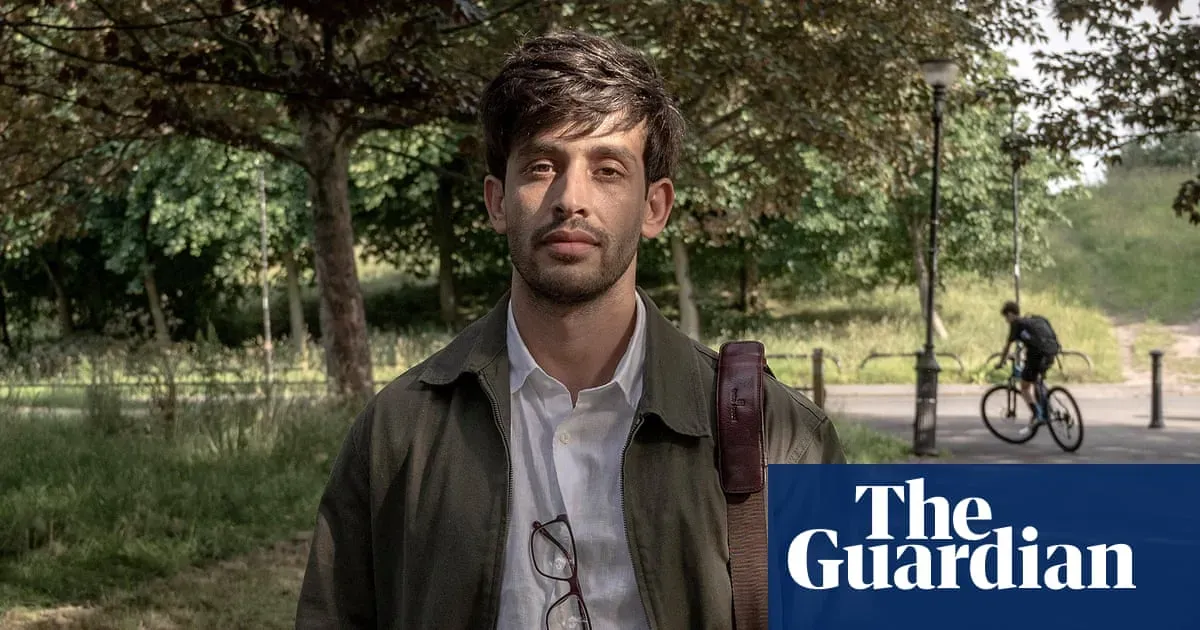
A senior aid worker in Afghanistan has revealed the brutal treatment he endured at the hands of the Taliban after setting up an online English study programme for girls when they were banned from attending school.
The individual, who wishes to remain anonymous, had been working tirelessly to provide education to Afghan girls despite the ban on their attendance at schools. However, his efforts did not go unnoticed by the Taliban, and he was eventually summoned to a meeting with senior officials in May 2022.
When the aid worker received the call from an unfamiliar number, he knew that something was amiss. The caller told him to report to the intelligence directorate within 20 minutes, warning that failure to comply would result in severe consequences.
The aid worker's friend became concerned for his safety and advised him on what to do if he failed to return from the meeting. However, despite these precautions, the aid worker was unaware of the ordeal that lay ahead.
Upon arriving at the intelligence directorate, the aid worker was searched by Taliban fighters before being led into a large courtyard filled with military vehicles and armed personnel. The scene was intimidating, but the aid worker tried to remain calm in order to protect himself.
He was left waiting for several hours in a hallway before being called into an office where he was confronted about his online English study programme. A senior official played a recorded voice message of the aid worker encouraging students not to lose hope and instead stay motivated.
The official accused the aid worker of working with infidels, being a puppet of the west, and being an apostate. He also insulted the aid worker's appearance before instructing his guards to "teach him a lesson.
The aid worker was subsequently blindfolded and led down several floors into a basement room where he was met with further violence at the hands of several men who called him an infidel and a dog.
Arian's early life was marked by hardship and struggle in rural Afghanistan. Born in 1997, near the border with Iran, he grew up in a community ravaged by the Soviet invasion of 1979 and the subsequent civil war that lasted until 1989.
His father, a tailor, had big dreams for his son's future despite having limited education himself. The father wanted Arian to have better opportunities than he did, which motivated him to push his son towards education. This support and encouragement from his father played a significant role in shaping Arian's aspirations.
Arian vividly remembers the day the village's first school opened in 2003. It was an exciting moment for the young boy as he walked with his cousins to the makeshift tents that served as classrooms. The school, established by the United Nations Children's Fund, provided a basic education and essential supplies such as books, pencils, and even biscuits.
The region where Arian lived was dotted with landmines left over from past conflicts. This posed a constant threat to the community, with some children losing limbs while gathering firewood or fetching water. The harsh environment made everyday life challenging, with dust storms often reducing visibility to just a meter.
Despite these difficulties, Arian's father continued to believe in education as a means of bettering their lives. He provided his son with books and encouraged him to read, introducing him to classic Persian poetry and Western literature like Robinson Crusoe and The Little Prince.
Arian's academic achievements were impressive, earning top marks in every exam. However, this success was not without its challenges, as the community often ridiculed his father's belief in education, viewing it as unrealistic for someone from their background.
By the time Arian turned 15, he was one of the few remaining students in his class. This isolation made him realize that he was ahead of his peers and that his education was not just a personal goal but also a means to support his family.
Arian's father had always dreamed of sending his son to school in the city, where he could receive a better education. However, this was not possible due to financial constraints and the limited opportunities available in their rural community.
As Arian grew older, he began to see the harsh realities of life in rural Afghanistan more clearly. The poverty, lack of resources, and constant threat of violence took a toll on his family and community, making it even more important for him to pursue his education and create a better future for himself.
Arian's move to Herat University marked a significant milestone in his academic journey, as he became the first person from his area to be admitted to the engineering faculty.
The university offered Arian a vastly different learning environment compared to his village school, with modern facilities and better-trained teachers. However, he still faced challenges adjusting to the new setting, particularly due to teasing from his peers about his country accent.
To cope with these difficulties, Arian began frequenting the gym on campus, where he found solace in physical activity. He describes the gym as a therapeutic outlet that helped him deal with stress and anxiety.
Arian's academic pursuits also led him to develop an interest in reading and critical thinking. He devoured books and articles on various subjects, including politics, social issues, and human rights. This newfound knowledge allowed him to engage in debates and discussions with his peers, often speaking out on local television about pressing concerns affecting Afghanistan.
As Arian's reputation as a thought leader grew, so did the number of threats he received from various religious groups. Despite this backlash, he remained resolute in his commitment to promoting social change and advocating for human rights.
Arian's involvement in public discourse was not isolated; he was part of a network of courageous individuals who shared similar goals and values. Together, they formed a formidable force, using their collective voice to bring attention to critical issues affecting Afghanistan.
In 2017, Arian graduated from university with a degree in engineering, marking a significant achievement in his personal and professional journey. However, the celebrations were short-lived, as he soon found himself navigating the complexities of rebuilding a war-torn country.
The horrors of conflict were brought home to Arian when a suicide bomber detonated an explosive device just 100 meters away from him while he was traveling in Kabul. The blast sent shockwaves through his being, leaving him shaken and grappling with the sheer scale of violence that had been unleashed upon the city.
The situation in Afghanistan continued to deteriorate as more people arrived in the city, fleeing fighting and the climate crisis. Arian decided to pursue a master's degree in urban planning across the border in Iran, but he was home on a visit when the Taliban took control of the country in August 2021.
As news of the Taliban's victory spread, Arian felt a sense of despair wash over him, likening it to watching a building collapse or experiencing an emotional breakdown. His mother, who had lived through the first Taliban era, was overcome with emotion, crying uncontrollably as she processed the situation.
The city was transformed overnight, with women disappearing from public view and Taliban fighters roaming the streets on motorbikes and in military vehicles. Many of these fighters were inexperienced and eager to try new things, but Arian knew that they could be deadly without hesitation.
Arian's sister, who had been attending secondary school, was among those affected by the new restrictions. The driver who normally collected her from school told them that girls were no longer allowed to attend classes, leaving his sister in tears as she stood outside with her uniform and schoolbag.
The news of the Taliban's takeover sparked something inside Arian, causing him to feel a sense of outrage and determination. He reached out to an American teacher and film-maker on LinkedIn, who shared his commitment to supporting Afghan girls' education.
Together, they came up with a plan for a free online English school, which would provide girls with access to education despite the Taliban's restrictions. Arian registered hundreds of students and worked with the American teacher to recruit volunteer teachers from around the world.
Some classes were held in the middle of the night due to the different time zones, but the effort was worth it as the girls began to learn and thrive. The online school became a beacon of hope for Afghan girls who were determined to continue their education despite the challenges they faced.
Arian's own journey took a dramatic turn when he received a call from a Taliban official instructing him to come to the intelligence directorate. He was taken into custody and held in a cell, where he was given bread and water but denied access to medical attention for his injuries.
As Arian lay in the cell, he couldn't sleep due to the pain and discomfort caused by his broken nose and jaw. He worried about his mother's well-being and feared that his face would be permanently disfigured.
The ordeal was far from over as Arian was taken back to the same office where he was once again blindfolded and forced to sign a statement apologizing for his actions. He was warned not to speak about the incident or face severe consequences, including death.
After being released, Arian made his way to the hospital where an X-ray revealed that his nose was broken in four places and his jaw was severely fractured. The doctor advised waiting a few weeks before operating on his jaw, so surgery on his nose was performed first.
As soon as Arian's face began to heal, he returned to Iran and attempted to continue with online classes for the girls at the free school he had set up. However, due to the severity of his injuries and mental state, he was unable to maintain the classes and ceased any new recruitment efforts.
Arian struggled to come to terms with what had happened, feeling mentally devastated by the ordeal. He found it difficult to forgive those responsible for his suffering, saying It was just not fair." To cope, he turned to physical activity, returning to the gym after about a month.
The physical toll of the attack eventually subsided, but Arian's mental health continued to suffer. He had managed to complete his dissertation and graduate before being forced to flee Iran once again due to the risk of persecution.
In desperation, Arian applied for a prestigious Chevening scholarship, which offered a fully funded chance to study for a master's degree in the UK. The application process was arduous, involving a lengthy interview that lasted two hours.
Against all odds, Arian was awarded a place at the Institute of Development Studies based at the University of Sussex, where he would study international development. He flew from Tehran in September 2024, but his anxiety about being stopped at passport control lingered throughout the journey.
As Arian settled into his new life in the UK, he encountered challenges that were both unexpected and unwelcome. Some of his fellow students made racist comments about Afghans, leaving him feeling isolated and alone.
Arian's journey to find a safe haven in the UK was marked by uncertainty and hardship. After arriving at the Home Office in Croydon, he was met with a series of bureaucratic hurdles that left him feeling frustrated and isolated.
Despite phoning repeatedly for urgent accommodation, Arian was told to wait and provided with little guidance on what steps to take next. He spent six days without a stable place to stay, alternating between sleeping in a park at night and charging his phone at Starbucks during the day.
Upon finally being directed to Croydon police station, Arian was surprised to find that he was not alone in the taxi. The two other passengers, from China and Hong Kong, were also heading for Liverpool, a destination that held little significance for him beyond its association with the local football team.
The asylum hotel where Arian eventually arrived offered some respite from his ordeal, thanks to the kindness of the staff. However, the atmosphere was oppressive, with many residents struggling to cope with their traumatic experiences and inadequate living conditions.
Facts based on reporting originally published by The Guardian Life and Style.
You may republish this story, in full or in part, if you credit Noti Group and link to it (licence CC BY 4.0). Photos are not included.