



Failed IVF Attempts Leave Couple with Profound Sense of Loss and Grief
The couple had undergone numerous attempts at IVF after their daughter Gaia's birth but each cycle brought its own unique challenges and emotional toll.
Greg Wise Recalls the Pain of Failed IVF Attempts with Emma Thompson
The couple's hopes of having a second child were crushed when their IVF attempts failed, leaving them to navigate a profound sense of loss and grief.
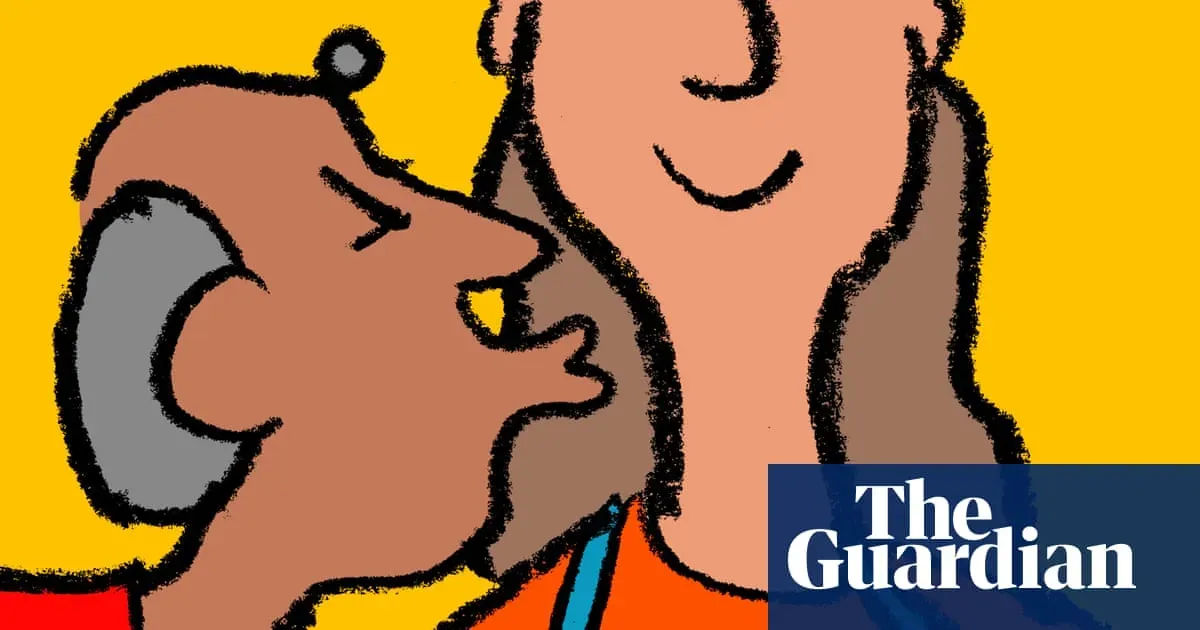
This type of grief is often overlooked or misunderstood, as it is not tied to an actual physical death but rather the loss of a potential future life. The silence that surrounds this kind of grief can make it feel isolating and lonely.
The couple had undergone numerous attempts at IVF after their daughter Gaia's birth, but each cycle brought its own unique challenges and emotional toll. Despite the emotional strain, they didn't seek outside help or counseling to process their feelings.
Emma Thompson struggled with her inability to conceive again, carrying the weight of self-blame and guilt for what she saw as her failure. Her partner Greg Wise tried to comfort her, but he also had to suppress his own grief in order to support her.
The emotional burden of failed IVF attempts can be immense, particularly when there are no clear rituals or social norms to guide the grieving process. The couple's situation was further complicated by their lack of access to counseling or other forms of support.
Greg Wise reflects on how his own self-image and sense of identity were tied up with traditional notions of masculinity. This made it difficult for him to confront his own emotions and vulnerabilities during this challenging time.
The couple met on the set of Sense and Sensibility, where Emma Thompson was adapting Jane Austen's novel. Greg Wise played John Willoughby, a character who embodies traditional masculine ideals of beauty and heroism.
However, Greg Wise reveals that in real life, he struggled with his own sense of identity and purpose, feeling like he had to live up to the same heroic standards he portrayed on screen.
As they navigated their failed IVF attempts, Emma Thompson's grief took center stage, while Greg Wise tried to put on a brave face and support her through this difficult time.
As actors, Emma and I were drawn into each other's lives on the film set, a space that is both protected and seductive. It's an environment where we can lose ourselves in our characters and forget about our everyday worries.
The boundaries between reality and fiction began to blur for me as I immersed myself in my role as saviour. I recall feeling like I was riding into the scene on my white horse, ready to rescue Emma from her troubles.
Emma's personal life was already complicated when we met. Her husband had left their home just before filming started, leaving her to grapple with profound grief. But she also carried a deep-seated chronic grief that had been building up over the years.
Her father's health struggles began when Emma was just eight years old. He suffered his first heart attack and later a severe stroke that left him semi-paralysed. She took on the responsibility of helping him regain speech, which ultimately became a poignant reminder of their bond.
Emma's family had already faced its share of tragedies before her father passed away when she was 23. Her uncle, who was also a significant figure in her life, had been involved in a catastrophic car accident and suffered from brain damage for many years. Emma was the one who made the difficult decision to turn off his life support.
When filming ended, Emma and I retreated to my small house in north London, each of us carrying our own heavy suitcases of unresolved grief. It was as if we were trying to find solace in each other's company amidst our shared pain.
In that initial period, our bond grew stronger as we connected over our collective grief. We found comfort in knowing that we weren't alone in our struggles and that the other person understood what it meant to be hurting so deeply.
But just as things were starting to settle down for us, the tabloid press discovered our relationship, forcing us into a desperate bid for secrecy. This new reality created an entirely different dynamic between us, one of fugitives on the run from prying eyes and unwanted attention.
As our lives in Los Angeles unfolded, we found ourselves living a carefree existence, surrounded by the trappings of success. We had rented a beautiful house, complete with a pool and a convertible sports car, and were enjoying the freedom that came with being young and successful.
However, this idyllic lifestyle was not sustainable, and we knew it. After three years together, we decided it was time to settle down and start building a life back home.
But our plans for a family were soon put on hold when Emma's age began to take its toll. She was fast approaching 40, and the pressure to conceive was mounting.
The inability to get pregnant was a crushing blow, one that shook us both to our core. It marked the end of an era, a death of a possibility that we had long envisioned for ourselves.
For me, the failure to conceive triggered a deep sense of shame and inadequacy. I felt emasculated, as if my fertility was inextricably linked to my masculinity and virility.
I couldn't shake off the feeling that I had failed as a man, that infertility equated with impotence. It was a toxic mindset, one that threatened to consume me whole.
But Emma too felt the weight of her own inadequacy. She saw herself as unable to fulfill her natural role in life, to become a mother.
As we struggled to come to terms with our situation, we both underwent testing to determine the root cause of our problem. The results were devastating: Emma's fertility was compromised, and IVF was our only hope for having a child of our own.
The IVF process is a clinical one, devoid of emotion or humanity. It's a brutal reality check, one that strips away the romance and replaces it with cold, hard science.
The IVF process is not just physically demanding but also emotionally draining for those undergoing treatment.
Emma's experience was marked by exhaustion, pain, and hormonal imbalances that made it difficult to cope with the emotional rollercoaster of each cycle.
As her partner, Greg felt helpless in supporting Emma during this time, unable to alleviate her suffering or provide a sense of agency in the situation.
He had to come to terms with his own limitations, realizing he couldn't fix the problem or make things better, which was a hard pill to swallow for someone who wanted to be a source of comfort and strength for his partner.
The IVF process strips away any romantic notions of pregnancy, leaving behind a harsh reality that can be overwhelming for those involved.
Our first IVF attempt ended in success, with Emma giving birth to their daughter Gaia just days before her 40th birthday and at the threshold of a new millennium.
However, this experience was not repeated in subsequent attempts, which ultimately led to the difficult decision to stop treatment altogether.
The day they decided to cease IVF efforts was marked by overwhelming grief, isolation, and dislocation from their previous experiences as parents.
This type of grief can be particularly challenging because it doesn't follow a set timeline for processing, allowing the emotions to linger and potentially evolve into more complex issues like major depression.
As Emma and Greg navigated this period, they both felt an intense sense of loneliness, unable to address their emotions together or seek help as a couple.
Prolonged grief disorder is a mental health condition that affects about one in 10 people who are struggling to come to terms with their loss six months after it occurred. This can manifest as helplessness, inability to accept, disbelief, and numbness. While grief itself is a natural and essential part of the healing process, prolonged grief can disrupt daily life so severely that finding a way out seems impossible.
In cases where guilt and shame are also present, the situation can become even more toxic. This was a common experience for many people who have undergone fertility treatment and then faced failure. The emotional toll of such an event can be overwhelming, leading to feelings of despair and hopelessness.
One person who has spoken publicly about their struggles with grief is a well-known actor who recently opened up about his experiences with IVF. He described feeling like he had hit rock bottom after months of struggling to come to terms with the loss of a child. He was unable to navigate himself out of the darkness and felt like there was nothing he could do.
In an effort to seek help, he eventually turned to therapy. This was not something he had considered before, as he had always been skeptical about seeking medical attention for emotional issues. He saw it as a sign of weakness or a frivolous indulgence.
However, his partner's influence changed his perspective on therapy. She had already started attending sessions with a Jungian therapist and would often leave the house to go see them. At first, he viewed this as a threat, worried that she might use therapy as an excuse to lay blame for their relationship problems on him.
As time went by, he began to realize that his partner's therapy was not about blaming others, but rather about working through her own emotions and finding ways to cope with the challenges they faced. This realization helped him to see the value of seeking help and eventually led him to start attending therapy sessions himself.
Seeking medical attention for emotional issues can be a difficult step for many people to take, especially those who have traditionally been taught to "tough it out" or deny their feelings. However, as this person's experience shows, reaching out for help is often the first step towards healing and recovery.
In some cases, the stigma associated with seeking therapy can be so strong that people feel like they are going against societal norms by doing so. This can make it even harder to ask for help when you need it most. But as more and more people speak out about their experiences with grief and mental health, it's becoming clear that seeking support is a sign of strength, not weakness.
As someone who has struggled with the idea of seeking medical attention, this person's journey towards healing is a powerful reminder that it's never too late to ask for help. By facing his emotions head-on and working through them in therapy, he was able to begin the process of healing and moving forward after a difficult loss.
As I delved deeper into therapy, I realized that confronting my emotions was a crucial step towards healing. This process wasn't easy, as it involved uncovering and addressing deeply ingrained feelings that had been hidden for years.
The sessions themselves were often uncomfortable, with me doing most of the talking. It wasn't until later on that I began to understand the purpose behind this dynamic, my therapist needed a clear picture of my story before we could start exploring its underlying issues.
One of the hardest things for me to confront was the shame I had been carrying around. This emotion weighed heavily on me, and it took time and effort to acknowledge and work through it in therapy. It wasn't an easy task, but ultimately it allowed me to make progress towards healing.
Through this process, I slowly began to rebuild my sense of self-worth and move forward from a difficult experience.
Facts based on reporting originally published by The Guardian Life and Style.
You may republish this story, in full or in part, if you credit Noti Group and link to it (licence CC BY 4.0). Photos are not included.