





SpaceX Shifts Focus from Rockets to Infrastructure Development
The company is now fundamentally an infrastructure company, with a focus on building infrastructure not just in low Earth orbit but also on the Moon, according to vice president of launch Kiko Dontchev.
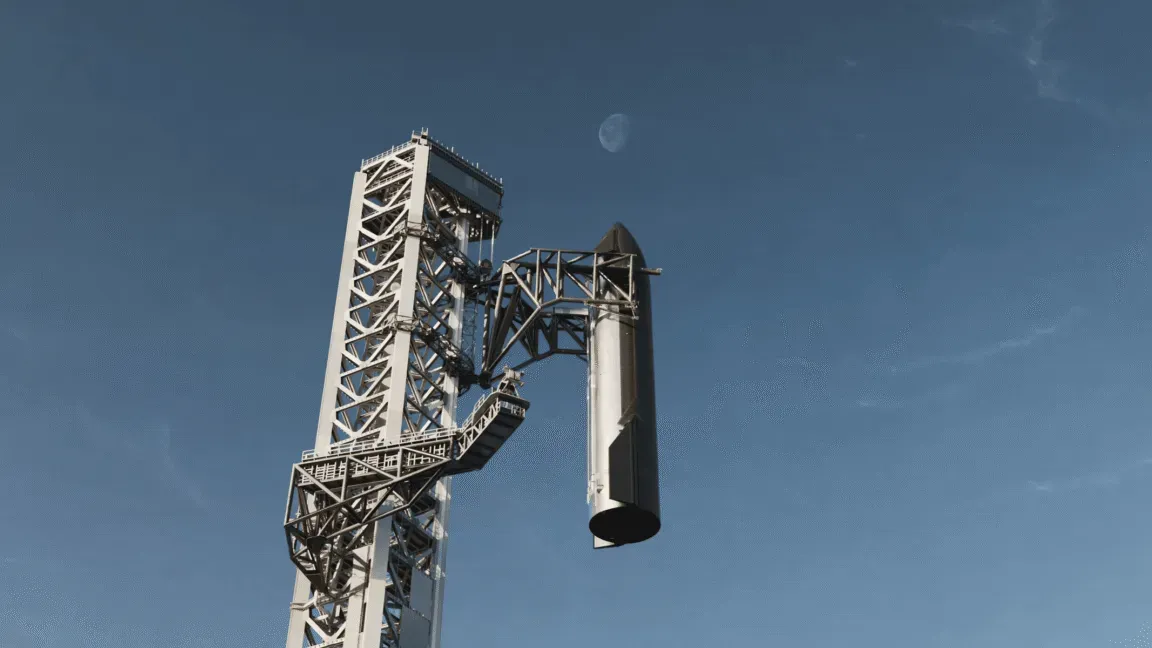
SpaceX has undergone a significant transformation in its focus over the last decade, shifting from primarily developing new rockets to building infrastructure in space and on Earth.
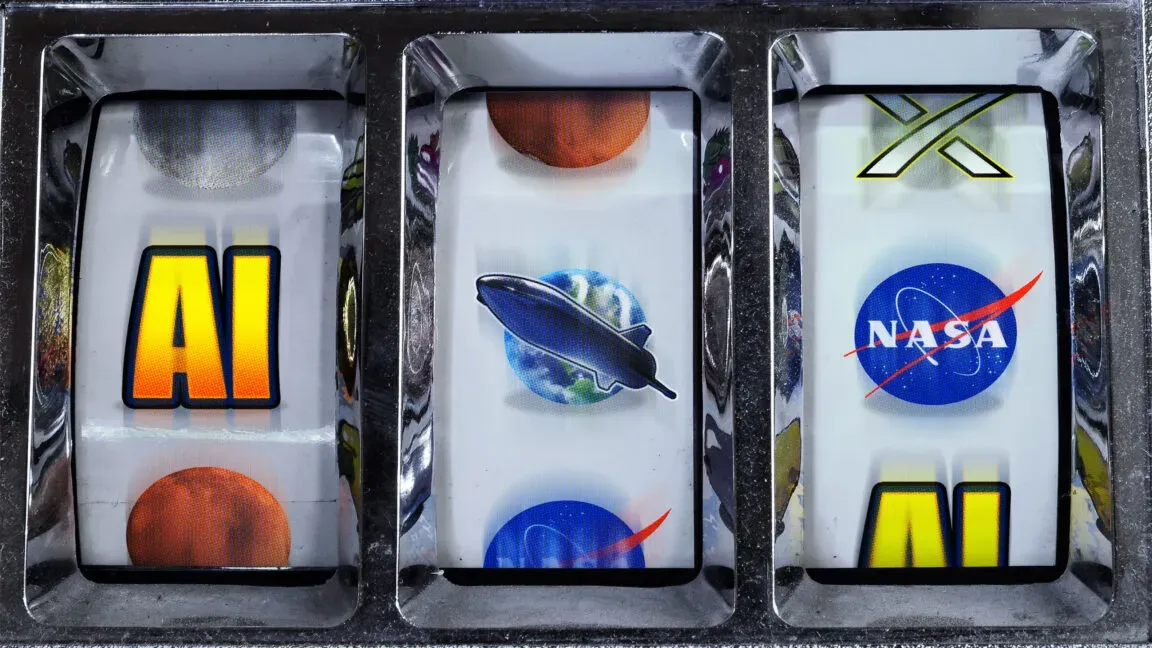
The company's pivot towards data and artificial intelligence has accelerated in recent months, with vice president of launch Kiko Dontchev highlighting this change at the UP.Summit conference in Florida. According to Dontchev, SpaceX is now fundamentally an "infrastructure company, with a focus on building infrastructure not just in low Earth orbit but also on the Moon.
SpaceX's Starlink satellite constellation has been a key driver of this shift, providing a platform for the company to develop and deploy its own data networks. The acquisition of xAI, another one of Elon Musk's companies, earlier this year is also expected to play a significant role in accelerating SpaceX's AI capabilities.
The Falcon 9 rocket, which has dominated global launch for over a decade, is no longer at the forefront of the company's priorities. Dontchev stated that the Falcon 9 is firmly on the road to retirement, as SpaceX looks towards more advanced and efficient launch systems.
As part of its infrastructure development efforts, SpaceX is also planning to establish a presence on the Moon, with Dontchev mentioning this as one of the company's near-term goals. The exact scope and timeline for these plans remain unclear, but it is evident that SpaceX is committed to expanding its reach in space.
SpaceX has undergone a significant acceleration in adopting automation technologies, particularly AI, which is transforming its engineering capabilities at an unprecedented rate according to a senior official.
The adoption of automation has been so rapid that tasks that would previously take employees hours or even days are now being completed in mere seconds or minutes. This shift has not only benefited the engineers but also other teams within the company.
The use of AI has also greatly improved the accuracy of identifying foreign object debris (FOD) in aerospace parts, which can cause catastrophic damage to engines and other spacecraft components. Grok, an AI assistant, has been instrumental in automating this process.
According to the official, humans are about 94 percent accurate when visually inspecting for FOD, whereas Grok is 99.9 percent perfect when analyzing the same footage. This level of precision has led to the widespread adoption of visual inspections being automated across various hardware products.
SpaceX's integration of AI is now a ubiquitous presence in its operations, with employees at all levels, including technicians and their leaders, utilizing it as part of their daily work. The official described this development as having leveled the playing field and accelerated employee growth.
SpaceX's recent shift in focus has sparked concerns among some of its long-time supporters who had been drawn to the company's original vision of establishing a human settlement on Mars.
However, senior officials at the company insist that this goal remains firmly intact despite Musk's increasing emphasis on deploying orbital data centers and leveraging artificial intelligence to accelerate innovation.
According to one official, the integration of AI has been instrumental in propelling SpaceX's progress, enabling it to achieve milestones such as sending humans to the Moon and eventually Mars with unprecedented speed.
The company is now transitioning from its Falcon 9 rocket, which despite being a reliable workhorse, still suffers from limitations in terms of reusability.
A key component of this transition is the development of Starship, a next-generation vehicle designed to capture both the first and second stages after launch.
The sheer scale of future launches means that manufacturing a new second stage for every flight is no longer viable.
To achieve the thousands of launches per year that SpaceX aspires to, the company needs to find ways to reduce costs and increase efficiency.
Dontchev highlighted Starship's productivity gains in its first orbital launch, which carried 10 times more bandwidth than a single Falcon 9 payload.
Flying from Florida will further boost capacity, offering more favorable trajectories for certain orbits that enable Starship to carry more satellites without expending propellant on dogleg maneuvers.
The increased efficiency of Starship is set to be fully utilized with the construction of additional launch pads in Florida.
SpaceX's transition to an infrastructure company" is becoming increasingly evident as the development of Starship continues to gain momentum. The spaceship is being optimized for efficiency, but its commercial launch capabilities are still unclear.
The shift away from Falcon 9 rockets has left some in the US commercial space industry concerned that SpaceX will not be able to meet demand in the coming years. Multiple sources suggest that Starship launches may be reserved for internal projects and government contracts rather than commercial customers.
Facts based on reporting originally published by Ars Technica.
You may republish this story, in full or in part, if you credit Noti Group and link to it (licence CC BY 4.0). Photos are not included.