





Seagate Launches FireCuda Forge Hybrid Storage Drives
Seagate's new FireCuda Forge hybrid drives combine high-capacity HDDs with user-supplied SSDs, offering improved performance and efficiency.
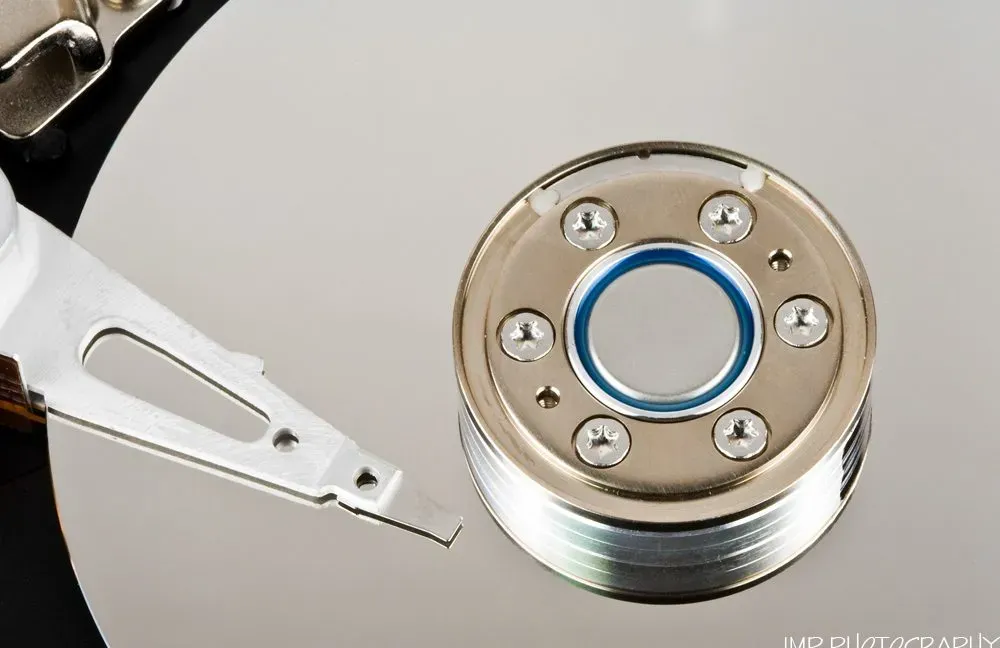
Seagate has announced a new line of hybrid storage drives, dubbed FireCuda Forge, which combines high-capacity hard disk drives (HDDs) with user-supplied solid-state drives (SSDs).
The FireCuda Forge is the first hybrid drive to be powered and managed by Seagate's Alkemi intelligent storage platform. This platform enables seamless integration of the HDD and SSD components.
The new drives are available now through Seagate's online store, in 8TB ($699) or 20TB ($899) configurations. However, it's worth noting that neither configuration includes an SSD - users will need to bring their own.
To be compatible with the FireCuda Forge, the user-supplied SSD must be an M.2 2280 NVMe drive, with a minimum PCIe Gen3 interface and a maximum capacity of 1TB. This is the maximum amount of data that can be stored on the "fast side of the hybrid setup.
Seagate claims that the combined system will achieve read speeds of up to 2,500MB/s and write speeds of up to 2,000MB/s, with support for USB4, Windows 11, and macOS 26+.
Storage prices have taken an unexpected turn in recent years, with some solid-state drives now costing two to three times their historic lows due to the AI boom. This surge in pricing has also affected mechanical hard disk drives, which were initially thought to be immune to these changes.
A notable example of this trend is the Seagate Exos 24TB drive, which was priced at $298.99 just a year ago but now costs $699.99. This drastic price increase raises questions about the long-term viability of high-capacity storage solutions.
Hybrid drives have largely fallen out of favor since their popularity in the early to mid-2010s. However, Seagate's new offering combines a large hard disk drive with a smaller solid-state drive, creating a single storage pool that promises improved performance and efficiency.
This concept is reminiscent of Apple's Fusion Drive, introduced in 2012 as part of the Mac mini. When examined, the Fusion Drive system was found to write data in 128KB tiered blocks, initially storing frequently used information on the solid-state drive before migrating it to the hard disk drive as needed.
The cost of solid-state storage has skyrocketed in recent years, making traditional mechanical drives look more attractive for higher-capacity storage needs. However, this shift in economics brings back memories of a bygone era when hybrid storage solutions were the norm.
One major drawback of Apple's Fusion Drive was its fragility. If one drive failed, it could lead to significant data loss and recovery challenges. The system relied on both drives functioning together as a single volume, making it difficult to recover data if one disk experienced a physical failure.
Seagate's new Alkemi intelligent storage platform takes a different approach than Apple's Fusion Drives. According to Seagate's press release, Alkemi manages the storage pool directly from the enclosure, rather than relying on operating system-level tiering.
Alkemi learns and adapts over time to keep high-demand content fast and accessible on the solid-state drive, while also providing space for growing libraries on the hard disk drive. This approach aims to simplify the user experience by giving them the convenience of a single storage drive.
The Alkemi system is described as a two-tier storage system in Seagate's product data sheet PDF, but it doesn't elaborate on whether it uses SSD caching, automated tiering, or some other technology entirely.
The technical details surrounding Seagate's Alkemi platform are still shrouded in mystery, despite the company's announcement touting its benefits. Specifically, it remains unclear how data is managed between the two drives that make up this hybrid storage system. This lack of clarity raises questions about the potential for data loss or failure if one drive were to malfunction.
Seagate's Alkemi platform appears to be based on a concept called intelligent data tiering," which promises to optimize performance by keeping frequently accessed files readily available. However, it is not clear how this system would handle the event of one drive failing, potentially leading to data loss or corruption. This omission has sparked concerns about the reliability and stability of these new hybrid drives.
The mechanics of data distribution on first boot are also unclear, with no indication from Seagate as to whether all written data is initially stored on the SSD until a certain threshold is reached. After that point, it is not specified how files are prioritized for storage on the faster drive. This lack of transparency has left many questions unanswered and has sparked debate among industry observers.
Seagate's reluctance to provide detailed explanations about its Alkemi platform has been noted by analysts and critics alike. Despite the launch of these new hybrid drives, which have already begun selling in stores, Seagate seems content to keep some of the technical details under wraps. This approach is likely to fuel further speculation and debate in the coming days.
As the market absorbs the implications of Seagate's Alkemi platform, one thing is clear: consumers deserve a clearer understanding of how these hybrid drives work and what they can expect from their performance and reliability. With sales already underway, it is imperative that Seagate provides more detailed information about its technology to address lingering concerns and doubts.
Seagate's FireCuda Forge drives combine solid-state drive (SSD) performance with hard disk drive (HDD) capacity, a setup reminiscent of Apple's Fusion Drives from years past.
The lack of technical documentation on the Alkemi system's handling of drive failure or repair is causing concern, as it leaves unanswered questions about how users can recover their data in case of an issue. Until Seagate addresses these concerns with more detailed information, the appeal of these hybrid drives remains limited by lingering doubts and uncertainties.
Facts based on reporting originally published by Ars Technica.
You may republish this story, in full or in part, if you credit Noti Group and link to it (licence CC BY 4.0). Photos are not included.