





Polyethylene Microplastics Linked to Fatty Liver Disease
A groundbreaking study has revealed a concerning link between polyethylene microplastics and fatty liver disease in animals.
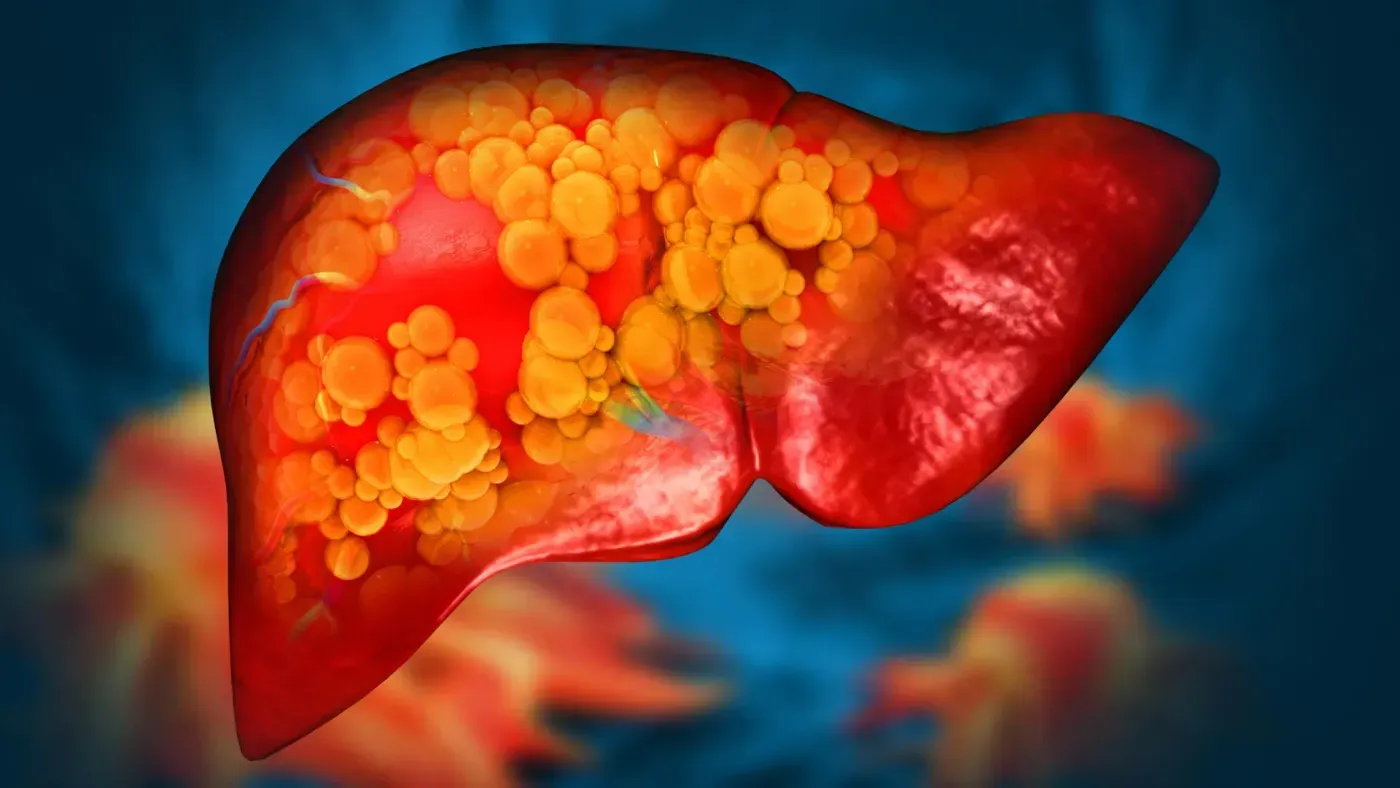
A groundbreaking study has revealed a concerning link between a common plastic used in everyday products and fatty liver disease. Researchers at Texas A&M College of Veterinary Medicine and Biomedical Sciences have identified polyethylene microplastics as potential contributors to this condition.
Polyethylene is one of the most widely produced plastics globally, accounting for approximately one-third of all plastic production worldwide. It's found in numerous household items, including food wrappers, storage containers, plastic packaging, and the linings of beverage cups.
Dr. Adi Joshi from Texas A&M College of Veterinary Medicine and Biomedical Sciences notes that there has been a lack of research on polyethylene's effects on liver health compared to other types of microplastics. This is particularly striking given its widespread use in consumer products.
The study suggests that exposure to polyethylene microplastics, especially when combined with an unhealthy diet, can disrupt the liver's natural defense and repair mechanisms.
Researchers have found that exposure to polyethylene microplastics can contribute to fatty liver disease, a condition where excessive fat accumulates inside liver cells. This study is significant because it suggests that even without an unhealthy diet, polyethylene exposure can increase indicators of fatty liver disease.
According to the American Liver Foundation, approximately 25% of people worldwide suffer from this condition, making it a major global health concern. The researchers discovered that exposing animals to polyethylene microplastics led to increased signs of liver damage, regardless of their dietary habits.
When polyethylene was combined with a diet rich in fat, fructose, and cholesterol, the severity of liver disease symptoms worsened significantly. This finding implies that exposure to environmental pollutants and poor dietary choices may reinforce each other's negative effects on liver health.
The study's results were unexpected because polyethylene is generally considered biologically inert, meaning it was thought unlikely to interact with biological systems. However, this new research suggests that even relatively harmless substances can have unforeseen consequences for human health.
The study suggests that polyethylene may have a more significant impact on liver function than previously thought. Researchers found that exposure to this common plastic can lead to biological changes independently and in conjunction with dietary risk factors.
To gain a deeper understanding of how polyethylene affects the liver, scientists employed a cutting-edge technique called spatial transcriptomics. This powerful tool enables researchers to analyze gene activity while preserving information about cell location within tissues, providing a more detailed picture of biological changes.
Using this approach, the team mapped areas of liver damage associated with polyethylene exposure and pinpointed molecular pathways that may contribute to its effects. One key discovery involved PPAR-alpha, a protein crucial for regulating fat metabolism in the liver, which was activated by polyethylene exposure.
The researchers also identified ANXA2, a gene linked to tissue repair, as another potential contributor to the disease process. This finding highlights the complex interplay between microplastic exposure and the body's natural mechanisms for responding to injury.
Researchers are seeking a deeper understanding of how polyethylene exposure affects the liver's normal functions.
The complex interactions between microplastic exposure and the body's injury response mechanisms have been uncovered in recent studies.
Investigations into these biological pathways could potentially lead to the identification of treatments that mitigate the adverse effects of microplastic exposure on the liver.
Further research is needed to determine whether polyethylene exposure contributes to more severe forms of liver disease, including fibrosis.
The accumulation of scar tissue as a result of repeated or ongoing liver damage can interfere with the organ's ability to function properly in individuals suffering from this condition.
The accumulation of scar tissue as a result of repeated or ongoing liver damage can interfere with the organ's ability to function properly in individuals suffering from this condition.
This highlights the need for researchers to explore potential environmental contributors to chronic diseases beyond traditional risk factors such as diet and lifestyle. The study's findings are part of a growing body of evidence suggesting that microplastics may have unintended health consequences, underscoring the importance of further investigation into their effects on human health.
While more research is needed to establish how these experimental observations translate to everyday exposure, the study underscores the complexity of chronic diseases and the need for scientists to consider multiple factors when investigating their causes.
Facts based on reporting originally published by ScienceDaily Health.
You may republish this story, in full or in part, if you credit Noti Group and link to it (licence CC BY 4.0). Photos are not included.