





Neanderthals may have used prehistoric glue as antibiotic to treat wounds
Researchers studying birch tar, a substance associated with Neanderthal toolmaking, found it has antibacterial properties that could have helped protect wounds from infection.
Neanderthals may have used prehistoric glue not just for toolmaking but also as an ancient antibiotic to treat wounds and fight bacterial infections.
Researchers at several universities in Europe and Canada have been studying a substance called birch tar, which was commonly associated with Neanderthal toolmaking. Birch tar is made by heating birch bark, resulting in a thick, sticky material that can be used for various purposes.
Birch tar has antibacterial properties that could have helped protect wounds from infection. By recreating techniques believed to have been used by Neanderthals, the researchers were able to produce birch tar and test its ability to inhibit harmful bacteria.
The team's results suggest that this prehistoric adhesive may have served a dual purpose: helping construct tools and treating wounds. This finding could change our understanding of Neanderthal technology and medicine.
Birch tar has been found at numerous Neanderthal sites across Europe, often still attached to ancient stone tools. Archaeologists believe it was used for hafting, a technique that allows different components to be joined together to create more practical and effective tools.
Archaeologists have long known that Neanderthals used birch tar to create more durable tools by binding stone or metal components together. However, new research suggests this ancient adhesive may have had a broader application in prehistoric life.
Studies are revealing that birch tar was likely used for medicinal purposes as well, raising the possibility that Neanderthals recognized its potential health benefits. This theory is supported by evidence from traditional societies around the world, where birch tar has been employed to treat various ailments.
The idea that Neanderthals might have used birch tar as an antibiotic is intriguing given their apparent knowledge of medicinal plants and practices. According to researchers, this would not be surprising if they discovered the substance's antibacterial properties through trial and error.
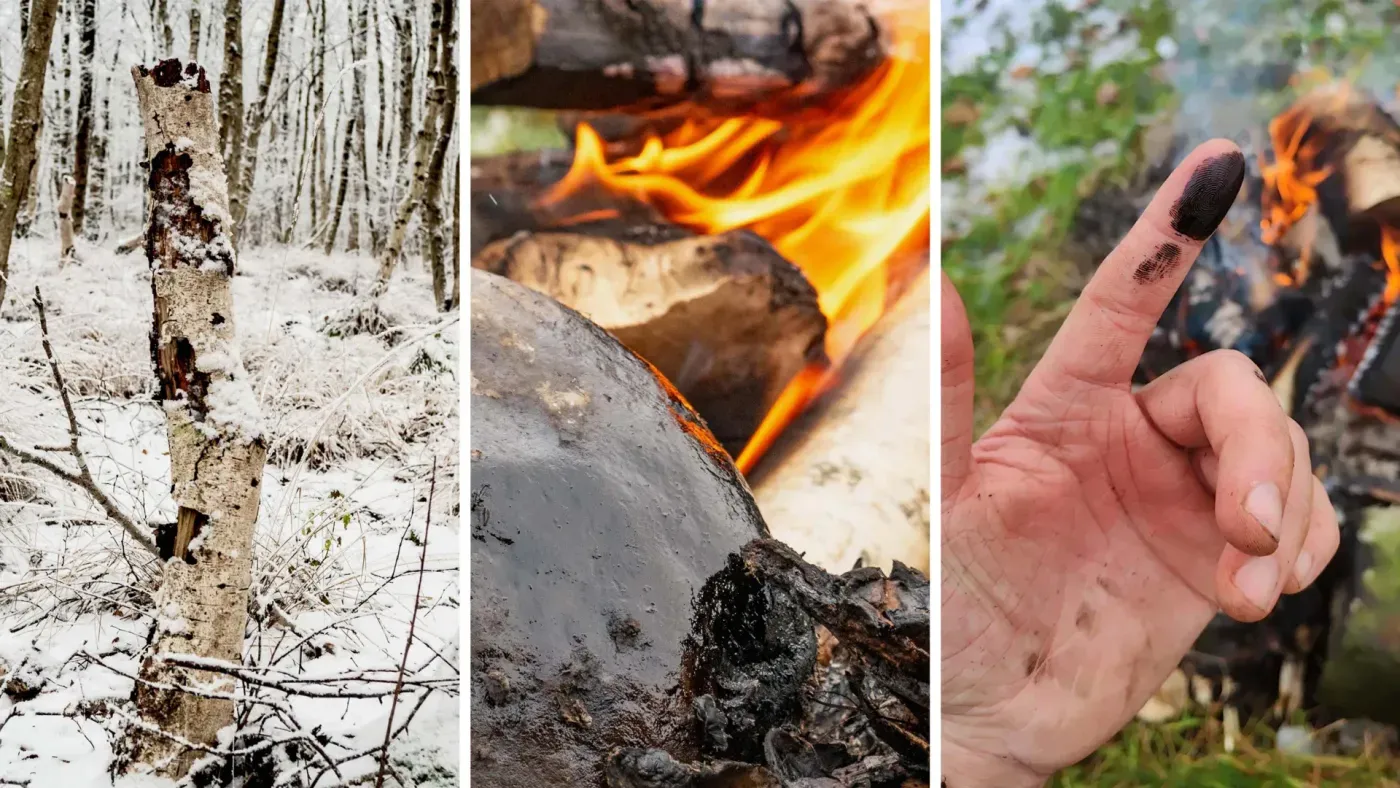
To test this hypothesis, scientists recreated ancient methods for producing birch tar using tree species native during Neanderthal times. They simulated conditions found in archaeological sites by placing birch bark in a sealed underground pit and heating it with limited oxygen.
The resulting birch tar was collected and analyzed to determine its composition and potential uses. By comparing this product to the substance used by ancient people, researchers can better understand how Neanderthals might have employed birch tar for various purposes.
The team behind this research experimented with an alternative method for producing birch tar. They burned birch bark near a solid surface, such as stone, and observed how tar vapors condensed against the cooler surface, forming a sticky residue that could be collected.
This technique allowed researchers to investigate whether different prehistoric methods of birch tar production would yield similar antibacterial properties. The results of these experiments showed that various techniques can produce birch tars with comparable abilities to inhibit bacterial growth.
The team's tests revealed that every type of birch tar they produced was able to suppress the growth of Staphylococcus aureus, a bacterium commonly associated with wound infections. This finding is particularly significant because S. aureus is often resistant to multiple antibiotics and can cause difficult-to-treat infections in hospitals.
The antibacterial activity exhibited by the birch tars was consistent regardless of which prehistoric extraction technique was used. This suggests that the bacteria-inhibiting properties of birch tar are not dependent on one specific production method, but rather a fundamental characteristic of the material itself.
The properties of birch tar that inhibit bacteria growth suggest it could have been used by Neanderthals as an ancient antibiotic. While the experiments do not prove Neanderthals actually applied birch tar to wounds, they demonstrate its potential usefulness in medical care.
The discovery has implications for modern medicine, particularly in addressing the growing global health concern of antibiotic resistance. As bacteria become increasingly resistant to commonly used treatments, scientists are searching for alternative substances that could help combat infections.
Birch tar's antibacterial activity highlights the importance of investigating ancient materials and traditional medicinal practices. Substances like birch tar, which were used thousands of years ago, may contain compounds with properties relevant today.
However, further research is needed to evaluate any potential medical applications of birch tar. Its ability to inhibit bacteria in laboratory experiments does not necessarily mean it would be safe or effective as a treatment for human wounds.
Archaeologists are increasingly portraying Neanderthals as resourceful humans who understood and exploited their natural surroundings. The findings add to this growing body of research, suggesting that prehistoric glue may have had uses beyond just binding materials together.
The discovery of prehistoric glue's potential uses has significant implications for our understanding of Neanderthal behavior and resourcefulness.
Neanderthals may have employed this ancient adhesive not just to bind materials together but also as a form of antibiotic treatment. The presence of certain compounds in the fossilized glue suggests it could have been used to prevent infections, further expanding its possible applications beyond mere binding. This multifaceted use of prehistoric glue adds another layer to our understanding of Neanderthal ingenuity and adaptability.
Facts based on reporting originally published by ScienceDaily Health.
You may republish this story, in full or in part, if you credit Noti Group and link to it (licence CC BY 4.0). Photos are not included.